
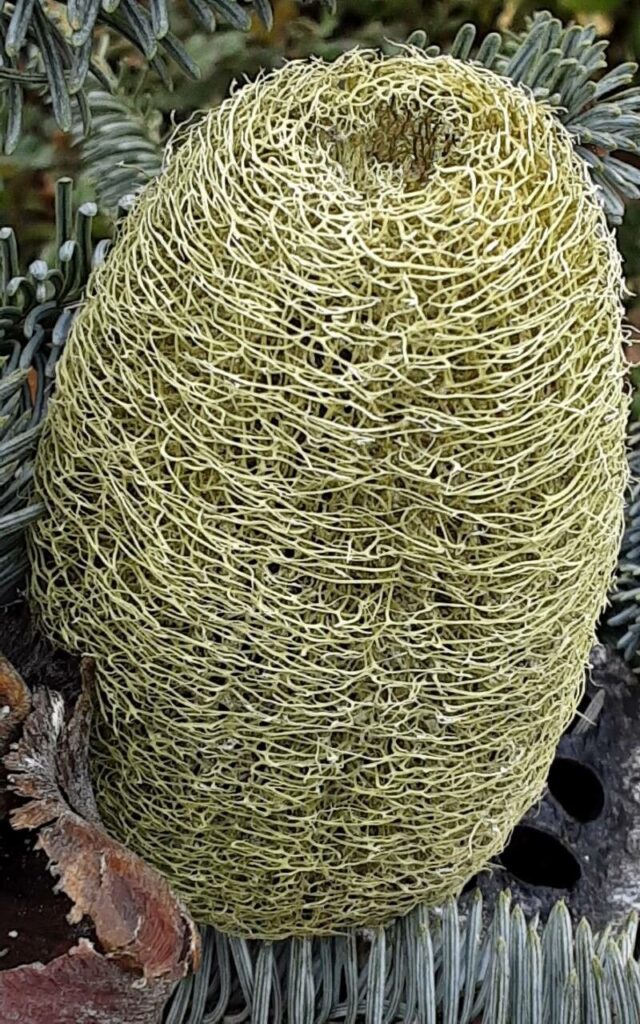
Propagating Coast Banksia (Banksia littoralis): A Gardener’s Guide
Introduction:
Banksia littoralis, commonly known as Coast Banksia, is a striking Australian native shrub renowned for its attractive, cream-colored, cylindrical flower spikes and distinctive serrated leaves. Its relatively low maintenance and tolerance of coastal conditions make it a popular choice for gardeners, particularly in Australia and other regions with similar climates. Its propagation, however, presents unique challenges, demanding patience and a nuanced understanding of the plant’s biology. While it can be propagated via several methods, success often relies on careful technique and attention to detail.
Seed Germination:
Seed germination is a viable method for propagating Banksia littoralis, but it’s not always straightforward. The primary challenge lies in the hard seed coat, which inhibits water uptake and germination. This requires a process called scarification to improve germination rates.
Challenges: Hard seed coat inhibiting germination; slow germination rates.
Practical Tips:
- Scarification: Soak seeds in boiling water for 1 minute, followed by soaking in warm water for 24 hours. This softens the seed coat. Alternatively, gentle abrasion with sandpaper can achieve similar results.
- Sowing: Sow seeds in a well-drained seed-raising mix, covering them lightly (approximately 1cm deep). Maintain consistent moisture but avoid overwatering, which can lead to fungal diseases.
- Stratification (Optional): While not strictly necessary, a period of cold stratification (3-4 weeks refrigerated) may further enhance germination rates.
- Germination Conditions: Maintain a warm temperature (20-25°C) and good light, but avoid direct sunlight, especially in young seedlings.
Rewards: High genetic diversity amongst seedlings; potential for large-scale propagation.
Cuttings:
Cuttings are another viable propagation method for Banksia littoralis, yielding plants that are genetically identical to the parent plant.
Challenges: Relatively low success rate compared to other Banksia species; proper hormone application is crucial.
Practical Tips:
- Timing: Take semi-hardwood cuttings in late spring or early summer from the current season’s growth.
- Preparation: Use a sharp, clean blade to take cuttings about 10-15cm long, removing the lower leaves.
- Hormones: Dip the cut ends in a rooting hormone powder.
- Planting: Plant cuttings in a well-draining potting mix, ensuring good contact between the cutting base and the medium. A humidity dome or propagation tray is beneficial.
- Environment: Maintain a warm, humid environment with indirect light.
Rewards: Genetically uniform plants; faster establishment than seedlings
Division:
Division is generally not a recommended method for propagating Banksia littoralis. Its root system is not easily divided without significant damage to the mother plant, lessening the chances of success for both parent and offspring.
Challenges: High risk of damage to the parent plant; low success rate.
Practical Tips: Division is not a practical method for Banksia littoralis propagation.
Rewards: Limited rewards due to generally poor success rates.
Tissue Culture:
While theoretically possible, tissue culture propagation of Banksia littoralis remains largely unexplored and unavailable to home gardeners. It is a complex and specialized technique requiring specific laboratory equipment and expertise.
Challenges: High technical expertise and specialized equipment required; not readily accessible to home gardeners.
Practical Tips: This method requires specialized knowledge and equipment and is therefore not discussed here.
Rewards: Potential for large-scale rapid propagation of disease-free plants.
Conclusion:
Propagating Banksia littoralis presents unique challenges across all methods. Seed germination, while achievable with careful scarification, offers the reward of genetic diversity but requires patience. Cuttings offer a higher degree of control and faster establishment but with a lower success rate unless techniques are carefully followed. Division is generally unsuitable. Tissue culture holds potential for large-scale propagation but remains inaccessible to most.
The satisfaction of successfully cultivating Coast Banksia, however, is well worth the effort. Witnessing the emergence of a tiny seedling or the rooting of a cutting into a thriving shrub is a testament to perseverance and horticultural skill. For aspiring propagators, patience, attention to detail, and a willingness to learn from successes and failures are key ingredients for success. Start with a method you are more comfortable with, and enjoy the journey of bringing these beautiful Australian natives to life.