
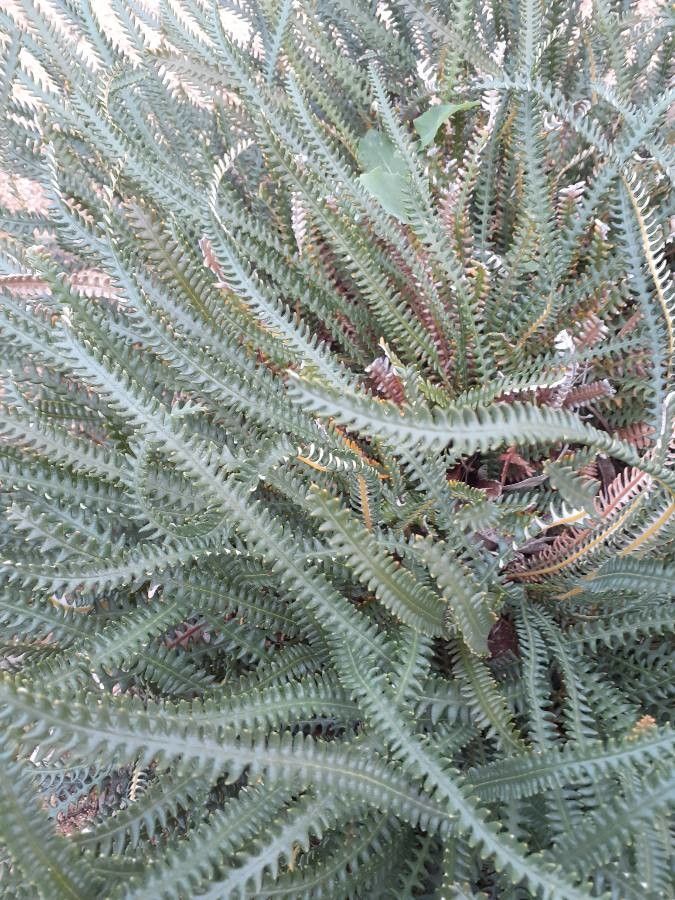
Propagating the Blunt-leaved Banksia: A Gardener’s Guide to Banksia obtusa
Introduction:
Banksia obtusa, commonly known as the Blunt-leaved Banksia or Mountain Banksia, is a captivating Australian native shrub renowned for its attractive, rounded foliage and striking, creamy-yellow flower spikes. Its adaptability to a range of soil conditions and its tolerance of frost make it a popular choice among gardeners, particularly those seeking low-maintenance, drought-tolerant landscaping options. However, propagating this species presents unique challenges. Its relatively slow growth and peculiar propagation requirements make successful cultivation a rewarding, albeit sometimes frustrating, endeavor. This article explores various propagation methods for Banksia obtusa, outlining their viability and offering practical tips for success.
Seed Germination:
Seed germination for Banksia obtusa is viable, but notoriously challenging. The hard seed coat significantly inhibits germination. Challenges include slow and inconsistent germination rates and susceptibility to fungal diseases in moist conditions.
Practical Tips:
- Stratification: Pre-sowing stratification is crucial. Soak seeds in boiling water for 1 minute, followed by a 24-hour soak in cold water. Then, sow seeds in a well-drained seed-starting mix and place in a warm (20-25°C) location. Consider using a propagation tray with a lid to maintain high humidity.
- Sowing Techniques: Sow seeds just below the surface of the mix. Avoid burying them too deeply. Maintain consistent moisture but avoid overwatering, which can lead to damping-off.
- Rewards: Successful seed germination offers the opportunity to propagate a wide range of genetic diversity, crucial for maintaining the health and adaptability of the species. Large-scale propagation from seed is also feasible, making this method ideal for nurseries.
Cuttings:
Cuttings present another viable but difficult propagation method for Banksia obtusa. The success rate is significantly lower compared to other Banksia species due to its relatively low rooting potential.
Practical Tips:
- Timing: Take semi-hardwood cuttings in late spring or early summer from the current season’s growth.
- Hormones: Use a rooting hormone to encourage root development.
- Environment: Propagate cuttings under high humidity using a misting system or humidity dome. Maintaining warmth and good air circulation is critical to prevent fungal diseases.
- Substrate: Use a well-draining propagating mix.
- Rewards: Cuttings provide a quicker way to propagate plants than seed, retaining the genetic characteristics of the parent plant. However, the success rate is low, requiring patience and careful attention.
Division:
Division is generally not a viable method for propagating Banksia obtusa. This species does not readily form suckers or easily divisible crowns. Attempts at division are likely to damage the plant and yield poor results.
Tissue Culture:
Tissue culture is a viable, though specialized, method for propagating Banksia obtusa. It offers the potential for large-scale propagation and disease-free plant production. However, this method requires specialized equipment, sterile conditions, and expertise in plant tissue culture techniques. This is generally not a feasible option for home gardeners.
Conclusion:
Propagating Banksia obtusa presents unique challenges across all methods, demanding patience, careful attention to detail, and a good understanding of the species’ specific requirements. While seed germination provides genetic diversity, it involves a slow and painstaking process. Cuttings offer a faster (though still challenging) alternative, but the success rate is comparatively low. Division is ineffective, and tissue culture requires specialized skills and equipment.
Despite the difficulties, successfully cultivating Banksia obtusa from any method offers a profound sense of accomplishment. Witnessing the emergence of a tiny seedling or the rooting of a cutting into a robust plant is deeply rewarding, offering a tangible connection to the resilience and beauty of Australian flora. For aspiring propagators, perseverance and a willingness to learn from setbacks are key. Start with small-scale propagation experiments and learn from each attempt; your success will be all the sweeter for the challenges overcome.