
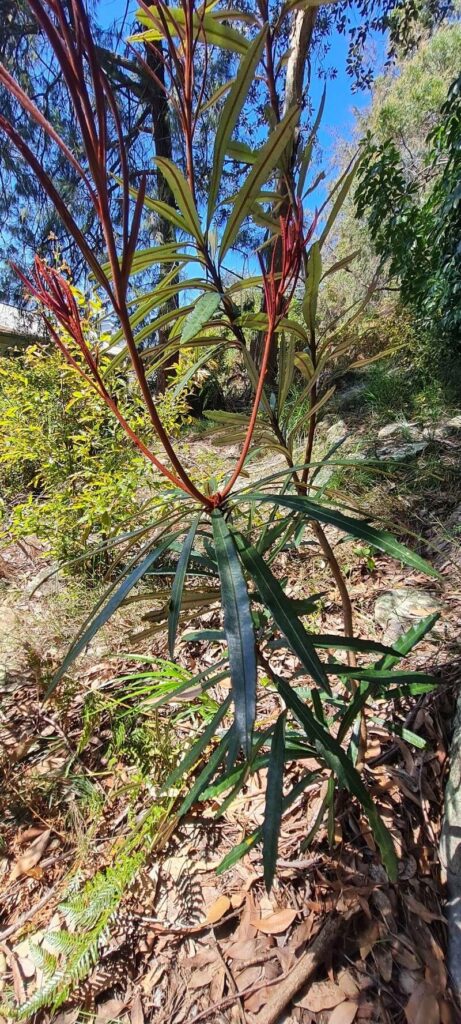
Propagating the Swamp Banksia (Banksia plagiocarpa): A Gardener’s Guide
Introduction:
Banksia plagiocarpa, commonly known as the Swamp Banksia, is a striking Australian native shrub renowned for its distinctive, twisted, and often gnarled woody fruit follicles. Its resilience, adaptability to various soil types (though preferring moist conditions), and attractive foliage make it a popular choice for gardens, particularly in areas with a Mediterranean climate. The irregular, almost sculptural, appearance of its seed pods adds architectural interest, appealing to those seeking unique landscape elements. Propagation, however, presents some unique challenges compared to other Banksia species.
Seed Germination:
Seed germination is a viable method for propagating Banksia plagiocarpa, but success requires patience and attention to detail. The hard seed coat presents a primary challenge, requiring scarification to allow water penetration and initiate germination.
Challenges: Hard seed coat, slow germination rate.
Tips: Soak seeds in boiling water for a few seconds, followed by a 24-hour soak in cool water to soften the seed coat. This is followed by sowing in a well-draining seed-raising mix, kept consistently moist but not waterlogged, at a depth of approximately twice the seed diameter. Stratification (cold treatment) is not typically required but can improve germination rates. Sowing in spring using a warm propagator to maintain consistently warm soil temperatures significantly increases the likelihood of success.
Rewards: High genetic diversity, cost-effective for large-scale planting projects.
Cuttings:
Cuttings offer a more reliable and quicker method of propagating Banksia plagiocarpa compared to seed. Semi-hardwood cuttings taken in late spring or early summer yield the best results.
Challenges: Can be slow to root, requires diligent care to prevent fungal diseases.
Tips: Use hormone rooting powder on basal cut ends of about 10-15cm cuttings, taken from non-flowering shoots. Plant them in a well-draining propagating mix, maintaining consistently high humidity using a propagation dome or plastic bag. Provide bottom heat to encourage rooting. Regular misting will prevent cuttings from drying out.
Rewards: Faster growth to flowering compared to seed-grown plants, propagation of desirable clonal characteristics.
Division:
Division is generally not a practical method for propagating Banksia plagiocarpa. This species doesn’t readily produce suckers or offsets making division an unreliable and likely damaging propagation method.
Tissue Culture:
While theoretically possible, tissue culture propagation of Banksia plagiocarpa is currently not a widely used or readily accessible method for home gardeners. It requires specialized laboratory equipment and expertise.
Challenges: High initial costs, specialised knowledge and equipment needed.
Tips: This method is best left to professional nurseries with the appropriate facilities and experience.
Rewards: Rapid cloning of desirable genotypes, potential for disease-free stock production.
Conclusion:
Propagating Banksia plagiocarpa successfully requires patience and attention to detail. While seed germination offers genetic diversity, it presents challenges in breaking seed dormancy. Cuttings offer a faster and more reliable method with careful management. Division is ineffective. Tissue culture remains a specialized and expensive option. The rewards, however, are worth the challenges. Successfully cultivating this striking shrub, with its unique character and hardiness, provides immense personal satisfaction. The journey from seed or cutting to a mature Swamp Banksia offers a tangible connection with nature and a deep sense of accomplishment. Don’t be discouraged by initial setbacks, experiment with different techniques and persistently nurture your seedlings or cuttings; patience is key to unlocking the beauty of this remarkable Australian native.