
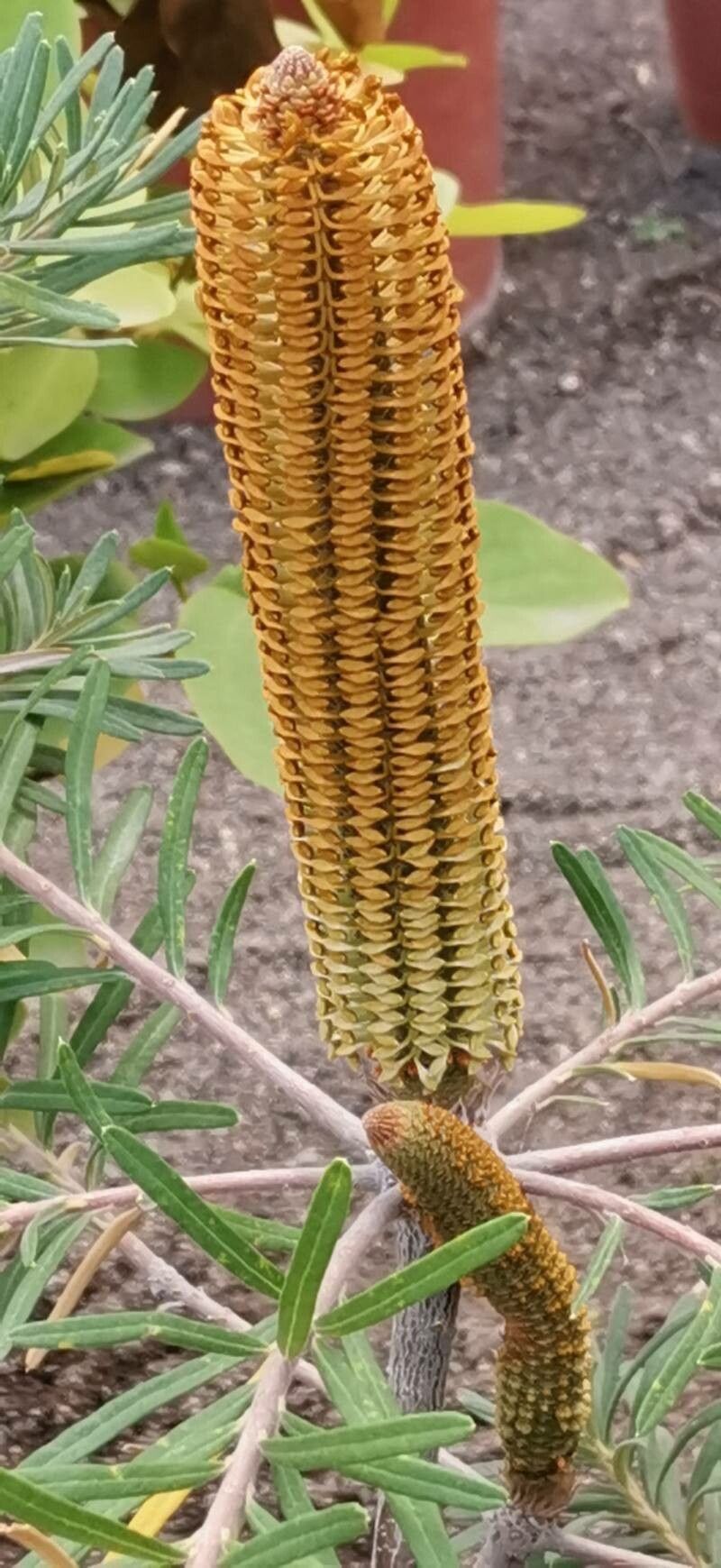
Propagating Banksia vincentia: Challenges and Rewards of Growing the Coast Banksia
Banksia vincentia, commonly known as the Coast Banksia, is a striking Australian native shrub prized for its vibrant, often cream-coloured, flower spikes and attractive foliage. Its adaptability to coastal conditions and relatively low maintenance requirements have made it a popular choice among gardeners. However, propagating this species presents unique challenges, demanding patience, specific techniques, and a keen understanding of its propagation quirks. This article explores various methods of propagating Banksia vincentia, outlining the advantages, disadvantages, and practical tips for each.
Seed Germination:
Seed germination is a viable, albeit challenging, method for propagating Banksia vincentia. However, success relies heavily on overcoming dormancy. Coast Banksia seeds possess a hard seed coat which inhibits germination. Therefore, stratification is crucial. This involves pre-treating the seeds to mimic the natural conditions they experience in the wild.
Challenges: Low germination rates are common, even with stratification. Seed predation by insects can also significantly reduce viability.
Practical Tips: Collect seeds from mature, dried flower heads. Prior to sowing, scarify the seed coat using sandpaper or a file to gently weaken it. Then, soak the seeds in water for 24-48 hours. Stratify the seeds by placing them in moist vermiculite or sand in a sealed container and refrigerating for 6-8 weeks at approximately 4°C. Sow the seeds in a well-drained seed raising mix, keeping the soil consistently moist but not waterlogged. Maintain warm temperatures (20-25°C).
Rewards: Seed propagation offers a significant advantage in terms of genetic diversity, increasing the resilience and adaptability of your plants. It also offers the potential for large-scale propagation, particularly useful for conservation or landscaping projects.
Cuttings:
Propagating Banksia vincentia from cuttings is generally considered more reliable than seed germination.
Challenges: Cuttings can be slow to root, and success often depends on the timing and technique. The use of rooting hormone is often essential.
Practical Tips: Take semi-hardwood cuttings (6-8cm long) in spring or autumn from the current season’s growth. Use a sharp, clean knife or secateurs to make a clean cut, removing lower leaves. Dip the cut end in a rooting hormone powder and plant into a well-draining propagation mix. Maintain high humidity (e.g., using a humidity dome or propagator) and consistent moisture. Rooting can take several weeks to months.
Rewards: Cuttings produce genetically identical plants, preserving desirable traits from the parent plant. This is particularly useful for propagating exceptional specimens.
Division:
Division isn’t typically a viable propagation method for Banksia vincentia. These plants don’t readily form multiple crowns suitable for division.
Tissue Culture:
Tissue culture is a possible method, though not widely practiced for Banksia vincentia propagation in home settings due to the specialized equipment and expertise required.
Challenges: Tissue culture requires a sterile laboratory environment, specialized media, and a high level of technical skill. This method is generally more expensive and resource-intensive.
Practical Tips: This method is typically undertaken only in professional nurseries or research labs.
Rewards: Tissue culture allows for mass production of genetically identical plants and offers a potential for disease-free stock.
Conclusion:
Propagating Banksia vincentia presents various challenges, including overcoming seed dormancy, achieving successful rooting from cuttings, and navigating the complexities of tissue culture. However, the rewards – whether the genetic diversity from seed propagation or the reliable replication of desirable traits from cuttings – are significant. The satisfaction derived from successfully cultivating this beautiful Australian native, particularly after overcoming the hurdles involved, is an experience that deeply connects the gardener with the plant and the environment. For aspiring propagators, patience and persistence are paramount. Start with a method that best suits your resources and experience, and don’t be discouraged by early setbacks. The beauty of the Coast Banksia in your garden will be a testament to your dedication and skill.