
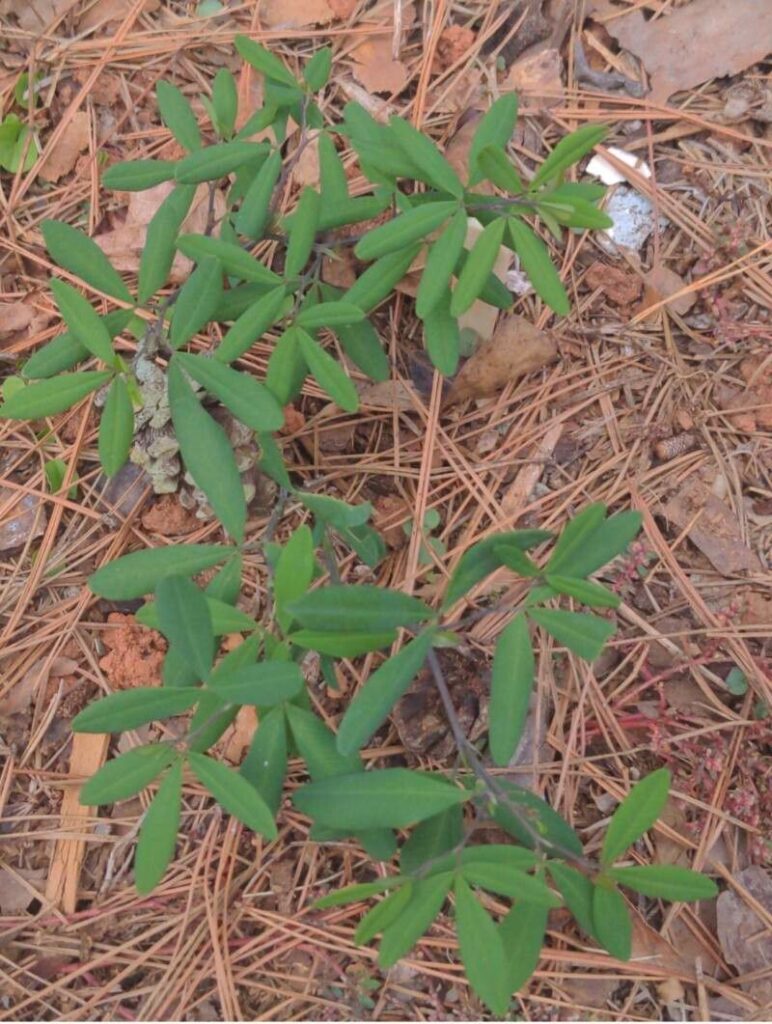
Unveiling the Secrets of Baptisia albescens Propagation: Seed vs. Cuttings
Baptisia albescens, the elegant and hardy White Wild Indigo, is a pollinator magnet and a stunning addition to any naturalistic garden. But did you know that propagating this beauty isn’t as daunting as it might seem? Whether you’re a seasoned gardener or just starting, this guide will equip you with the knowledge to successfully multiply your Baptisia albescens collection.
Two Paths to Propagation:
While Baptisia albescens can be a bit slow to establish, your patience will be rewarded with years of effortless beauty. You have two primary options for propagation:
-
Seeds: Embracing the Cycle of Life
- Harvesting: Collect mature seed pods in late summer or early fall when they turn brown and rattle.
- Pre-treating: Baptisia seeds have a hard outer coating. For best results, use one of these pre-treatment methods:
- Scarification: Lightly nick or sand the seed coat.
- Cold Stratification: Mimic winter by placing seeds in a moist paper towel in the refrigerator for 6-8 weeks.
- Sowing: After pre-treatment, sow seeds in a well-drained seed-starting mix, barely covering them. Keep the soil consistently moist. Germination can take several weeks.
- Transplanting: Seedlings are ready for their permanent home outdoors after the last frost when they have developed several sets of true leaves.
-
Cuttings: A Shortcut for Faster Results
- Timing is Key: Take cuttings in spring from new growth that is just starting to harden off (semi-woody).
- Cutting Selection: Choose healthy, non-flowering stems and make a clean cut just below a leaf node (where the leaf attaches to the stem).
- Preparing the Cutting: Remove lower leaves, leaving 2-3 sets at the top. Dip the cut end in rooting hormone to encourage root development.
- Planting: Insert the cutting into a pot filled with a well-draining rooting mix. Keep the humidity high by placing the pot in a humidity dome or a clear plastic bag.
- Rooting: Be patient, as cuttings can take 6-8 weeks to root. You’ll know they’ve rooted when you see new growth.
- Transplanting: Once rooted, harden off the cuttings gradually before planting them outdoors.
Tips for Success:
- Baptisia albescens thrives in full sun to partial shade and well-drained soil.
- Be patient! Whether grown from seed or cuttings, this plant takes its time to establish but will reward you with years of stunning blooms.
- Protect young plants from slugs and snails, which find them particularly appetizing.
Propagation: An Act of Love for Your Garden:
By propagating your Baptisia albescens, you’re not just expanding your plant collection. You’re participating in a time-honored tradition of nurturing life and creating a thriving ecosystem in your own backyard. So roll up your sleeves, embrace the joys of propagation, and watch as your garden flourishes with the beauty of these native wildflowers.