
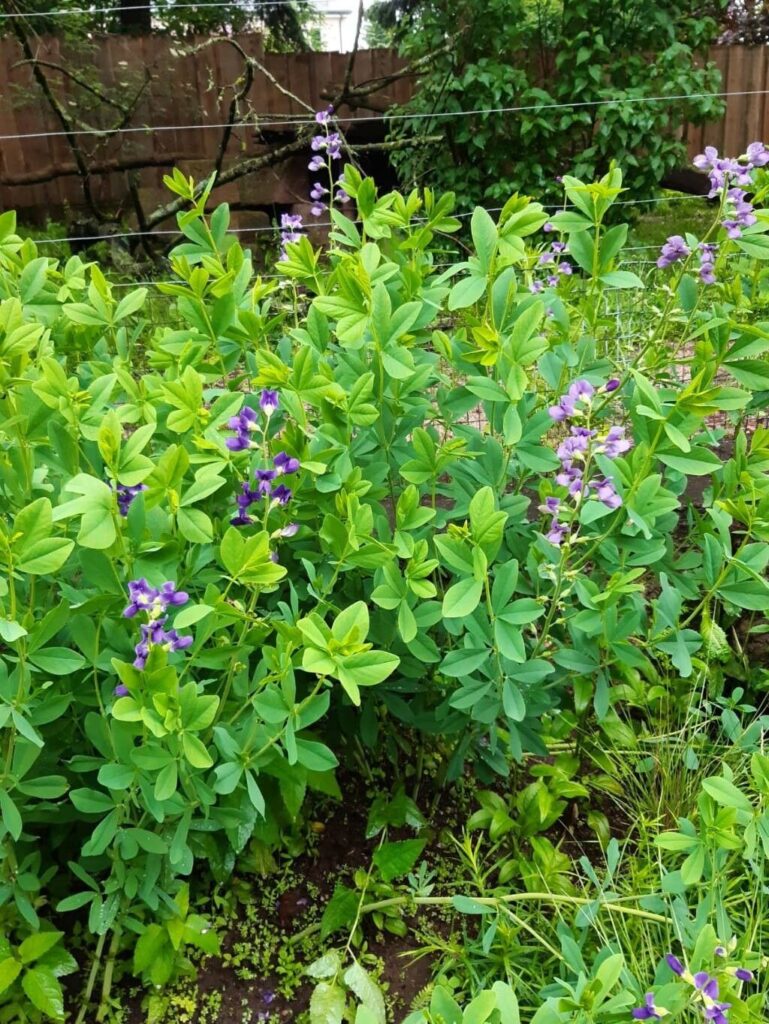
Propagating Baptisia australis: The Blue False Indigo
Baptisia australis, commonly known as Blue False Indigo, is a striking perennial native to eastern North America. Its tall, elegant spires of deep blue pea-like flowers in late spring and early summer, followed by attractive seedpods, make it a highly sought-after addition to any garden. Its drought tolerance, low maintenance needs, and stunning visual impact have cemented its popularity among gardeners. However, propagating this beauty presents some unique challenges, making success all the more rewarding.
Seed Germination:
Seed germination is a viable, albeit challenging, method for propagating Baptisia australis. The hard seed coat inhibits germination, requiring scarification or stratification.
Challenges: The primary challenge is breaking seed dormancy. Freshly harvested seeds often have a very low germination rate.
Practical Tips: Scarification, involving nicking the seed coat with sandpaper or a file, can improve germination rates. Alternatively, cold stratification – a period of chilling (ideally 3-4 months at temperatures between 33-40°F/0.5-4°C) – is crucial. Sow stratified seeds in well-draining soil mix, barely covering them. Keep the soil consistently moist but not soggy. Germination can take several weeks to months.
Rewards: Seed propagation allows for the creation of a genetically diverse population, providing a wider range of plant characteristics. It’s also a cost-effective method for large-scale propagation, especially useful for conservation efforts or commercial nurseries.
Cuttings:
Currently, there are no known reliable methods for propagation of Baptisia australis through cuttings. Softwood, hardwood, and semi-hardwood cuttings have all shown consistently low success rates.
Division:
Division is a relatively successful method for propagating established Baptisia australis plants.
Challenges: Baptisia australis has a deep taproot, making division disruptive and potentially damaging to the mother plant. Improper division can result in the death of both the parent plant and the divisions.
Practical Tips: Division is best undertaken in early spring or late autumn. The plant needs to be well-established before attempting division. Dig carefully, retaining as much of the root system as possible for both the parent plant and the divisions. Plant the divisions immediately in well-prepared soil, keeping them well-watered until established.
Rewards: Division offers a faster way to increase the number of plants than seed propagation and results in plants that are genetically identical to the parent plant.
Tissue Culture:
While tissue culture is a theoretically viable method, it’s not widely practiced for Baptisia australis. This technique requires specialized equipment and expertise, making it unsuitable for the average home gardener.
Challenges: Establishing sterile conditions and developing a reliable protocol for Baptisia australis are significant hurdles. The process is also expensive and time-consuming.
Practical Tips: This propagation method is best left to specialized nurseries or research facilities with the appropriate resources and expertise.
Conclusion:
Propagating Baptisia australis presents a unique blend of challenges and rewards. While seed germination, relatively simple in theory, requires patience and strategic preparation. Division is a more reliable but more invasive option. The difficulty inherent in propagating this plant ultimately contributes to the satisfaction of success. The sight of these striking blue flowers, earned through careful nurturing and often overcoming setbacks, truly makes the effort worthwhile. For aspiring propagators, we encourage patience, thorough research, and a willingness to learn from both successes and failures. The beauty and resilience of Baptisia australis make it a worthy subject for any propagation endeavor.