
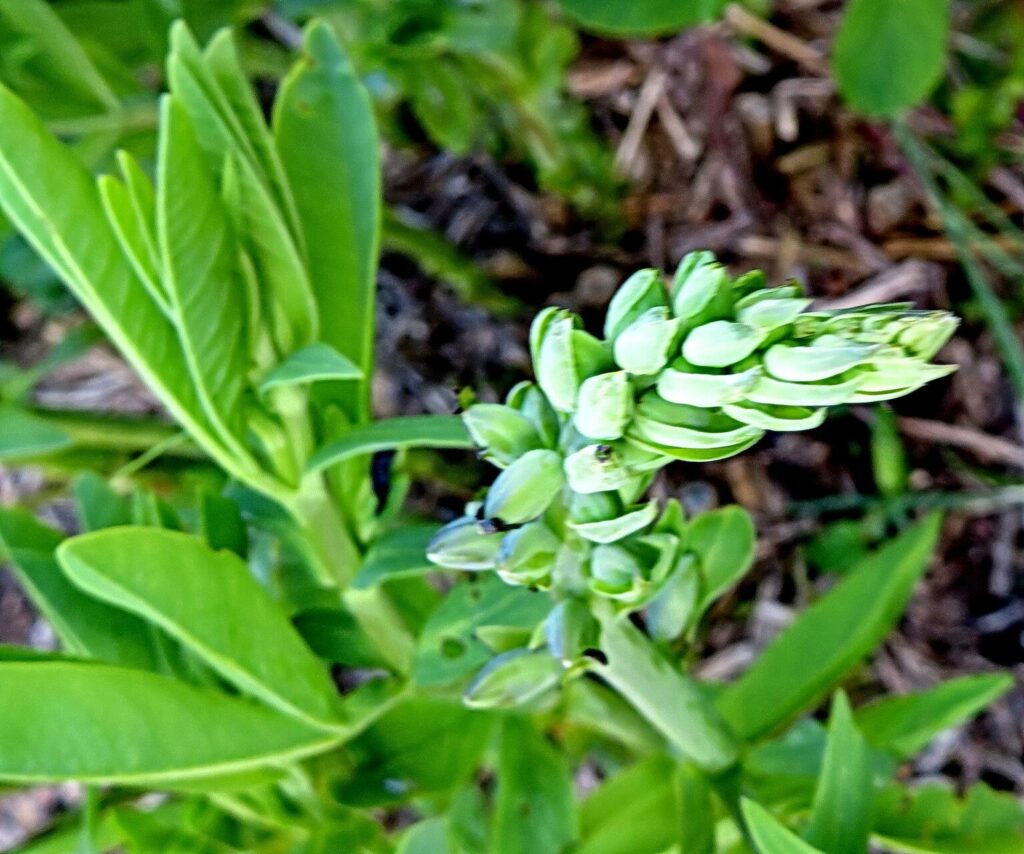
Propagating Baptisia tinctoria: The Challenges and Rewards of Cultivating Wild Indigo
Baptisia tinctoria, commonly known as wild indigo, is a striking North American native perennial prized for its vibrant blue-purple pea-like flowers, attractive foliage, and tough, drought-tolerant nature. Its popularity among gardeners is growing, driven by its low-maintenance requirements and striking contribution to xeriscapes and native plant gardens. However, propagating this beautiful plant presents unique challenges. While its resilience in the garden is admirable, successfully propagating wild indigo takes patience and a nuanced understanding of its propagation methods.
Seed Germination:
Seed germination is a viable, albeit challenging, method for propagating Baptisia tinctoria. The primary challenge lies in the hard seed coat, which significantly impedes water uptake and germination. This necessitates stratification, a process mimicking winter conditions to break dormancy. Successful germination typically involves a period of cold, moist stratification for several months (8-12 weeks) at temperatures near 4°C (40°F). Seeds can be sown outdoors in the fall for natural stratification, or stratified artificially by placing them in a sealed bag with damp vermiculite or peat moss in the refrigerator. Sowing should be done in well-draining seed-starting mix, barely covering the seeds. Keep the soil consistently moist but not waterlogged.
Challenges include inconsistent germination rates and the time required for stratification. However, the rewards are significant: seed propagation offers a cost-effective way to obtain large numbers of plants and ensures genetic diversity within your population.
Cuttings:
Currently, there are no known reliable methods for propagating Baptisia tinctoria from cuttings. While some anecdotal evidence exists, the success rate is extremely low, making this a generally impractical propagation method.
Division:
Division is a relatively straightforward and successful method for propagating established Baptisia tinctoria plants. This is best done in early spring or fall, when the plant is dormant or just beginning to emerge. Carefully dig up the mature plant, ensuring you get as much root mass as possible. Divide the root system into sections, each containing several strong crowns and roots. Replant the divisions immediately in well-prepared soil, ensuring proper spacing.
The main challenge lies in ensuring each division is large enough to survive and thrive. Dividing too small will reduce the chances of success. Rewards include rapid establishment of new plants and preserving the existing genetic characteristics of the mother plant.
Tissue Culture:
Tissue culture offers the potential for large-scale propagation of Baptisia tinctoria and the creation of disease-free plants. However, this method requires specialized equipment, sterile conditions, and expertise in plant tissue culture techniques. Successfully establishing Baptisia tinctoria in a tissue culture environment necessitates optimization of media formulations and growth regulators.
While this offers the advantage of rapid multiplication and disease elimination, it is the most complex, expensive, and technically demanding method, generally beyond the average home gardener.
Conclusion:
Propagating Baptisia tinctoria, while not insurmountable, presents unique challenges depending on the method chosen. Seed germination offers genetic diversity but requires patience and stratification. Division is more accessible to home gardeners and offers a high success rate for established plants. Cuttings are unreliable, while tissue culture is a specialist method.
The satisfaction derived from nurturing a wild indigo from seed, carefully dividing a mature plant, or even successfully navigating the intricacies of tissue culture is immense. The challenges involved emphasize the resilience and beauty of this plant and make the successful cultivation all the more rewarding. For aspiring propagators, starting with division or carefully attempting seed germination is recommended – patience and persistence are your best allies when working with wild indigo.