
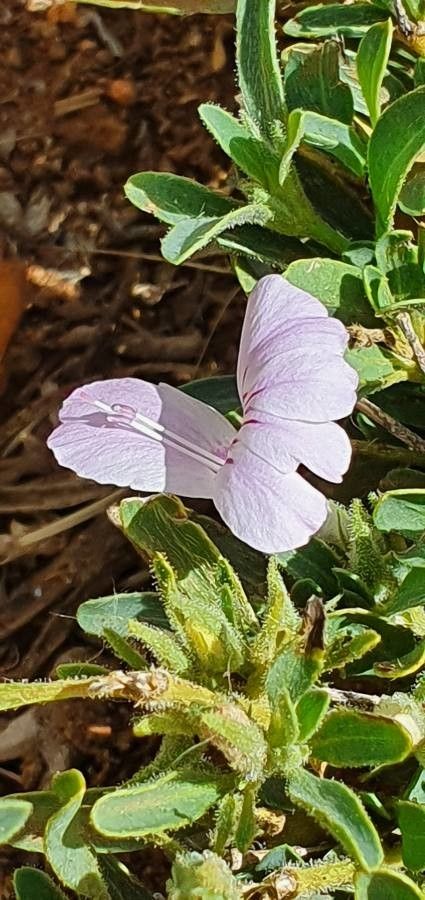
Propagating Barleria argentea: A Silver-Leaved Challenge
Introduction:
Barleria argentea, also known as Silver Barleria or Silverleaf Barleria, is a striking shrub appreciated for its silvery, ovate leaves and attractive, though relatively short-lived, purple flowers. Its drought tolerance and unique foliage make it a popular choice among gardeners, particularly in xeriscaping or low-maintenance landscapes. However, its propagation presents some challenges, making successful cultivation all the more rewarding. Unlike some readily propagated plants, Barleria argentea doesn’t readily lend itself to all common methods.
Seed Germination:
Currently, there are no known reliable methods for seed germination propagation of Barleria argentea. While the plant produces seed, germination rates are reportedly extremely low, and successful germination under controlled conditions has not been widely documented. Further research is needed to determine if specific pretreatment methods (such as scarification or stratification) might improve germination success.
Cuttings:
Cuttings are a more viable method for propagating Barleria argentea.
- Challenges: Success rates can vary depending on the timing and technique used. Taking too-soft or too-hardwood cuttings can reduce the chances of rooting. The cuttings are also susceptible to fungal diseases if not kept in a well-ventilated, sterile environment.
- Practical Tips: Semi-hardwood cuttings taken in late summer or early autumn generally yield the best results. Use a sharp, clean knife or shears to take 4-6 inch cuttings, removing the lower leaves. Dip the cut end in rooting hormone powder and plant them in a well-draining propagation mix (e.g., perlite and peat moss). Maintain a humid environment (e.g., using a propagation dome or plastic bag) and provide bright, indirect light. Rooting takes several weeks to months.
- Rewards: This method offers a relatively straightforward approach, allowing for the creation of multiple plants from a single parent plant, preserving its desirable characteristics.
Division:
Division is a possible propagation method for Barleria argentea, but it’s limited by the plant’s mature size and root system.
- Challenges: Barleria argentea doesn’t readily form multiple stems from the base like some other shrubs. Dividing the root system can be quite disruptive to the established plant and may lead to reduced vigor or even death of either the parent or divided plant if not done carefully.
- Practical Tips: This method is best attempted in spring or early autumn when the plant is actively growing. Carefully dig up the entire plant and carefully separate it into smaller sections, ensuring each section has a healthy root system and some stems. Replant the divisions immediately, giving them ample space.
- Rewards: Division can be a faster method of increasing the number of plants compared to cuttings, particularly if a mature, established plant is already available.
Tissue Culture:
Tissue culture offers the potential for rapid and large-scale propagation of Barleria argentea.
- Challenges: This is a specialized technique requiring sterile laboratory conditions, expertise in plant tissue culture, and specialized equipment. It’s also likely expensive compared to other methods.
- Practical Tips: Success hinges on employing aseptic techniques to prevent contamination, using appropriate growth media, and optimizing growth regulators to encourage shoot proliferation and root formation. Specific protocols will need to be developed for Barleria argentea.
- Rewards: Tissue culture allows for the rapid propagation of many genetically identical plants from a small amount of source material.
Conclusion:
Propagating Barleria argentea presents unique challenges, with seed propagation seemingly unreliable and division limited by the plant’s habit. Cuttings offer a relatively accessible and successful approach, while tissue culture holds the greatest potential for large-scale production, though it requires specialized knowledge and resources. The effort required, however, is rewarded by the satisfaction of successfully cultivating this beautiful, drought-tolerant shrub. The unique silvery foliage and the tenacity required to propagate it add to the overall enjoyment of gardening this species. Don’t be discouraged by initial setbacks – perseverance and careful observation will ultimately lead to success. For beginners, cuttings are the recommended starting point, paving the way towards a flourishing collection of Barleria argentea.