
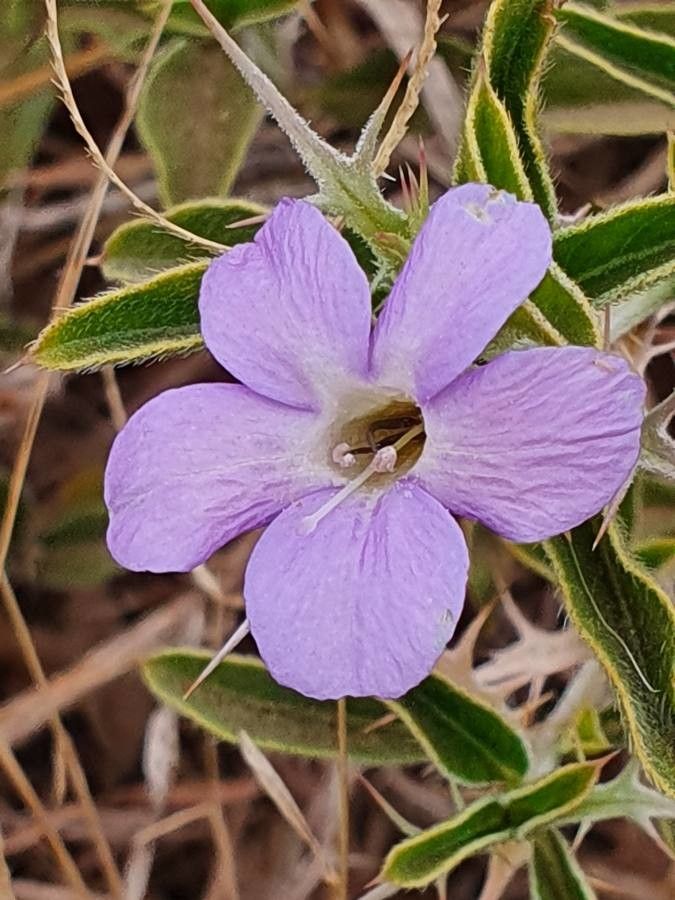
Propagating Barleria delamerei: A Gardener’s Guide to the Blue Porcelain Flower
Barleria delamerei, commonly known as the Blue Porcelain Flower, is a captivating shrub prized for its vibrant, intensely blue flowers and attractive, spiny foliage. Its relatively compact size and drought tolerance make it a popular choice for rock gardens, borders, and even container gardening. However, its propagation can present certain challenges, making successful cultivation all the more rewarding. This article explores various methods for propagating this stunning plant.
Seed Germination:
Currently, there are no known reliable methods for seed germination propagation of Barleria delamerei. While the plant does produce seeds, germination rates are extremely low, and successful seedling establishment is rarely reported. Further research is needed to determine if specific pre-treatments or conditions could improve germination success.
Cuttings:
Cuttings represent a highly viable method for propagating Barleria delamerei.
Challenges: The main challenge lies in preventing rot. The semi-woody stems are susceptible to fungal diseases if not handled carefully.
Practical Tips: Take semi-hardwood cuttings, around 10-15cm long, from healthy stems in late spring or early summer. Remove lower leaves, dip the cut ends in a rooting hormone powder, and plant them in a well-draining, sterile potting mix (e.g., a mix of perlite and peat moss). Maintain consistently moist but not waterlogged conditions, and cover the cuttings with a clear plastic bag or humidity dome to create a humid microclimate. Keep the cuttings in bright, indirect sunlight. Rooting usually takes several weeks to a couple of months.
Rewards: Cuttings provide a relatively quick method to produce genetically identical plants, ensuring that desirable traits are preserved. This is ideal for propagating a particularly beautiful or robust specimen.
Division:
Division is another relatively successful method for propagating Barleria delamerei, particularly for established plants.
Challenges: Mature plants can have a robust root system, making division potentially disruptive. Care must be taken to avoid damaging the roots during the process.
Practical Tips: Divide established plants in spring or autumn. Dig up the plant carefully, and gently separate it into smaller sections, ensuring each division has healthy roots and shoots. Replant immediately into well-prepared soil, using a similar planting mix to that of the mother plant. Water thoroughly after planting.
Rewards: This method allows for easy multiplication of existing plants and is less time-consuming than growing from cuttings.
Tissue Culture:
Tissue culture propagation is a possibility but is generally not a practical method for home gardeners due to its specialized requirements and costs.
Challenges: Establishing a sterile environment and working with plant tissue cultures requires specialized equipment, knowledge, and aseptic techniques which are beyond the scope of most home growers.
Practical Tips: Not applicable to home gardeners. This propagation method is typically utilized in commercial nurseries.
Rewards: Tissue culture is ideal for large-scale propagation and the production of disease-free plants.
Conclusion:
Propagating Barleria delamerei presents a unique set of challenges. While seed germination appears unrealistic for the amateur gardener, cuttings and division offer viable paths to successfully expanding your collection of these blue beauties. The rewards of witnessing these striking plants thrive, from a cutting you nurtured or a division you carefully separated, are immeasurable. The effort invested is well worth the satisfaction of contributing to the preservation and propagation of this delightful plant. Don’t be discouraged by early setbacks; persistence and careful attention to detail are key to successfully propagating Barleria delamerei. With patience and the right techniques, you too can enjoy the vibrant beauty of these blue porcelain flowers in your garden.