
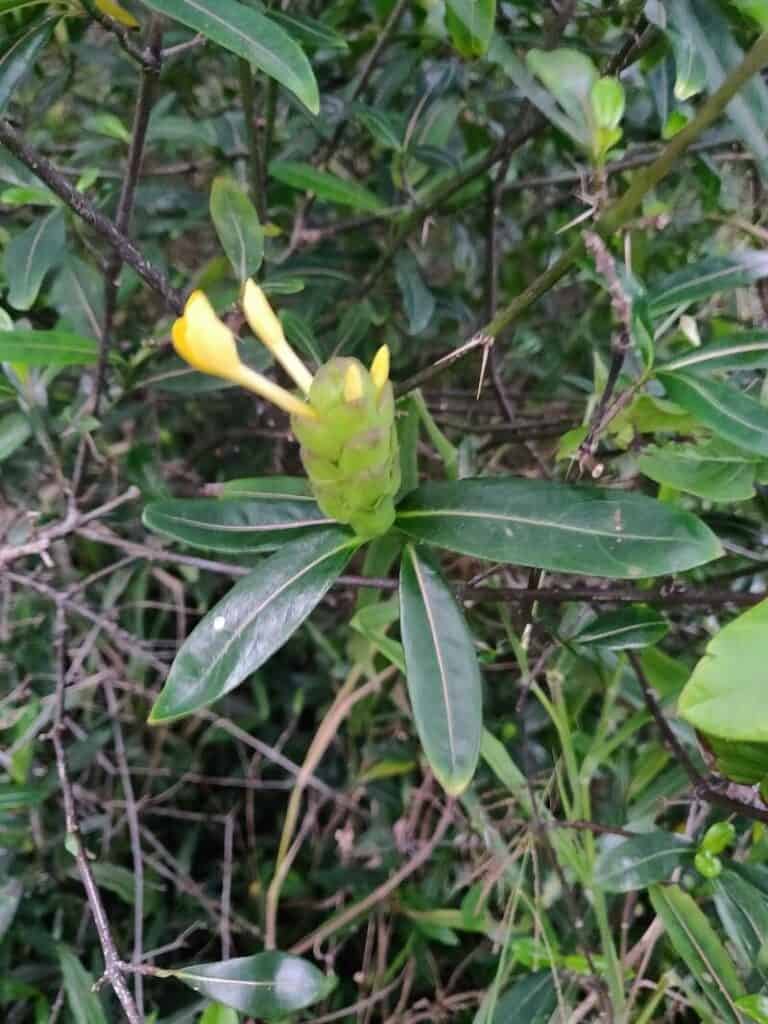
Unlock the Secrets of Barleria Lupulina Propagation: Grow Your Own Spiny Wonders!
Barleria lupulina, also known as the Philippine violet or hophead, is a charming evergreen shrub prized for its vibrant yellow flowers and unique foliage. Native to Southeast Asia, this beauty thrives in warm climates and adds a touch of the exotic to any garden. While readily available at nurseries, propagating your own Barleria lupulina is a rewarding experience for any plant enthusiast.
This guide will walk you through two effective methods to multiply your Barleria collection:
Method 1: Stem Cuttings – The Fast Track to New Plants
Stem cuttings offer a quick and straightforward approach to propagating Barleria lupulina. Here’s what you need:
Materials:
- Healthy Barleria lupulina plant: Select a mature plant with vigorous growth for best results.
- Sharp, sterilized pruning shears or scissors: This ensures a clean cut and minimizes the risk of infection.
- Rooting hormone (optional but recommended): This encourages faster and stronger root development.
- Well-draining potting mix: A combination of peat moss, perlite, and vermiculite works well.
- Small pots or seedling trays: Choose containers with drainage holes to prevent waterlogging.
Instructions:
- Take your cuttings: In the morning, when the plant is hydrated, choose healthy stems that are about 4-6 inches long. Cut just below a leaf node (the point where the leaf attaches to the stem). Remove the lower leaves, leaving 2-3 pairs at the top.
- Prepare the cuttings: If using rooting hormone, dip the cut end into the powder or gel, following the product instructions.
- Plant the cuttings: Insert each cutting into the prepared potting mix, burying the bottom node. Gently firm the soil around the stem.
- Water thoroughly: Moisten the potting mix, ensuring good drainage.
- Provide humidity and warmth: Cover the cuttings with a plastic bag or humidity dome to create a warm, humid environment. Place them in a bright location, out of direct sunlight.
- Be patient: Rooting usually takes 4-6 weeks. You can test for roots by gently tugging on the cutting – resistance means roots are developing.
- Transplant: Once the cuttings have a robust root system, transplant them into individual pots or your desired location in the garden.
Method 2: Seeds – A More Patient Approach
While less common, propagating Barleria lupulina from seeds is equally rewarding.
Materials:
- Barleria lupulina seeds: These can be collected from existing plants or purchased from reputable suppliers.
- Seed starting mix: Choose a fine-textured mix specifically designed for seed germination.
- Seed tray or small pots: Opt for containers with drainage holes.
- Water spray bottle: Use this to mist the seeds and keep the soil consistently moist.
- Plastic wrap or humidity dome: This helps create a warm, humid microclimate.
Instructions:
- Sow the seeds: Sprinkle the seeds evenly over the surface of the seed starting mix. Lightly press them into the soil, but do not bury them deeply.
- Mist the seeds: Gently mist the soil surface with water, being careful not to dislodge the seeds.
- Create a humid environment: Cover the seed tray with plastic wrap or a humidity dome to trap moisture.
- Provide warmth and light: Place the tray in a warm, brightly lit location but out of direct sunlight. A heating mat can be used to maintain optimal temperature.
- Keep the soil moist: Monitor the moisture levels regularly and mist the soil as needed to prevent it from drying out.
- Be patient: Seed germination can take several weeks to a few months.
- Thin out seedlings: Once the seedlings have a few sets of true leaves, thin them out to provide adequate space for growth.
- Transplant: When the seedlings are large enough to handle, transplant them into individual pots or your garden.
Tips for Success:
- Choose healthy, disease-free parent plants for both methods.
- Sterilize your tools and containers to prevent the spread of disease.
- Provide bright, indirect light and warmth throughout the propagation process.
- Keep the growing medium consistently moist but not waterlogged.
With a little patience and care, you can successfully propagate your own Barleria lupulina and enjoy these vibrant beauties year after year.