
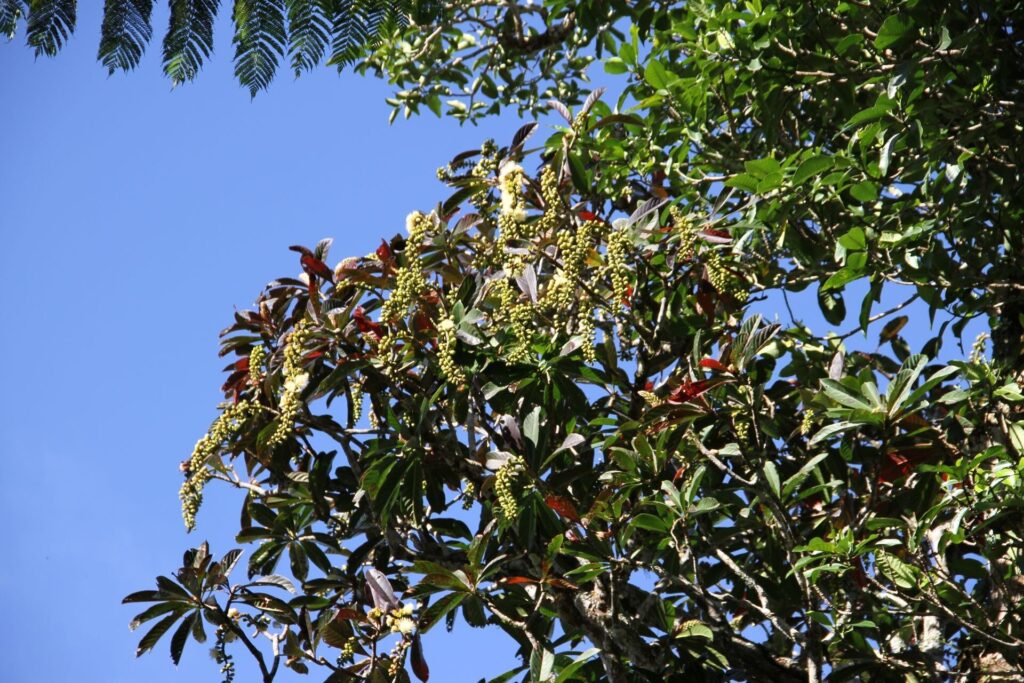
Unlocking the Secrets of Barringtonia longifolia: A Guide to Successful Propagation
The Barringtonia longifolia, with its striking drooping clusters of white blossoms and glossy green leaves, is a horticultural treasure. But acquiring this tropical beauty can sometimes be a challenge. Thankfully, propagation offers a rewarding and cost-effective way to enjoy its elegance in your own garden.
This article will guide you through the most successful methods for propagating Barringtonia longifolia, helping you unlock the secrets of this fascinating plant and create new life from your existing specimens.
Seed Propagation: The Natural Route
The simplest and most straightforward method is propagation by seed. Barringtonia longifolia produces large, woody fruits that contain numerous seeds. After harvesting mature fruits, gently extract the seeds and remove any fleshy coatings. To ensure successful germination, it’s crucial to provide the seeds with the right conditions.
- Preparing the Seedbed: Use a well-draining seed-starting mix. Fill small pots or trays with the mix and lightly moisten it.
- Sowing the Seeds: Sow the seeds directly into the prepared soil, ensuring they are placed about half an inch deep. Gently cover the seeds with the remaining soil.
- Providing Ideal Conditions: Place your seedbed in a warm, humid environment with indirect sunlight. Maintain consistent moisture levels by misting the soil regularly.
Germination can take several weeks, but patience is key. Once seedlings appear, continue to nurture them until they are strong enough to be transplanted into larger pots or your final planting site.
Cuttings: A Quick and Efficient Approach
For quicker results, you can opt for propagation using cuttings. This method utilizes stem portions of the parent plant to stimulate the development of roots.
- Selecting Cuttings: Choose healthy, mature stems with several nodes (the points where leaves emerge). Cut the stem into 4-6 inches long sections, ensuring each piece has at least one node.
- Preparing Cuttings: Remove the lower leaves from each cutting, leaving a few at the top to enable photosynthesis. Dip the cut end in a rooting hormone solution to encourage root growth.
- Planting Cuttings: Choose a well-draining potting mix and fill small pots or trays. Insert the prepared cuttings into the soil, ensuring the node is covered.
- Providing Optimal Conditions: Maintain consistent moisture levels, keeping the potting mix moist but not waterlogged. Place the cuttings in a warm, humid environment with indirect sunlight.
Within a few weeks, you should see roots developing. Once the cuttings have established a strong root system, you can transplant them into larger pots or directly into the garden.
Important Considerations
- Time of Year: Both seed and cutting propagation are best done during the plant’s active growing season, usually during spring or early summer.
- Environmental Factors: Barringtonia longifolia thrives in warm, humid environments with plenty of sunlight. Replicate these conditions as closely as possible during propagation.
- Patience: Remember propagation is a process that requires patience and consistency. Be prepared to nurture your young plants and monitor their progress regularly.
By following these guidelines, you can successfully propagate your own Barringtonia longifolia. Enjoy the reward of seeing new life emerge and the satisfaction of having contributed to the beauty of your garden with the captivating charm of this unique plant.