
Propagating Begonia cardiocarpa: A Gardener’s Guide
Introduction:
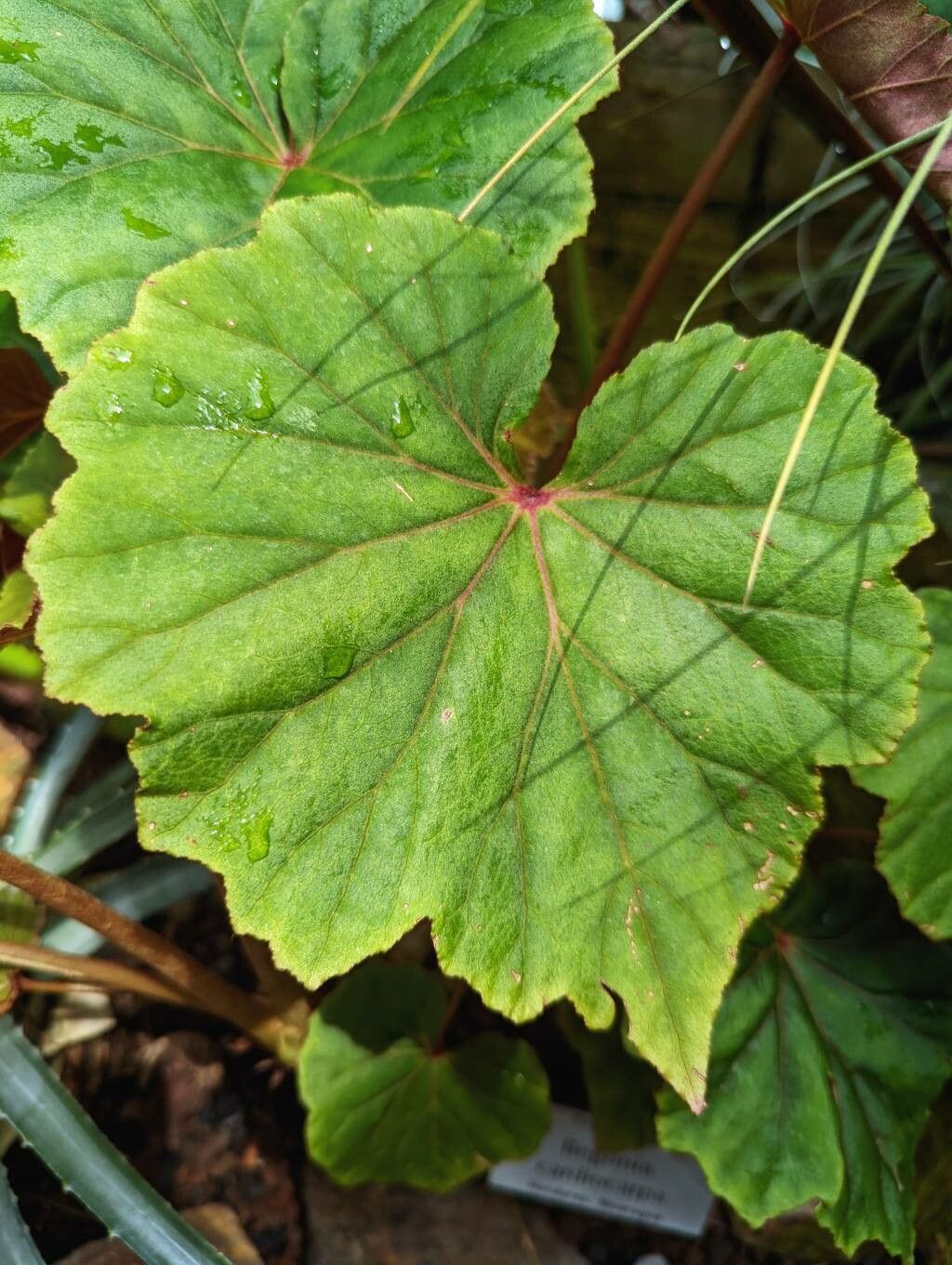
Begonia cardiocarpa, also known as the heartleaf begonia, is a captivating species prized for its uniquely shaped, heart-shaped leaves and delicate, often pendulous flowers. Its relatively compact growth habit and attractive foliage make it a popular choice for hanging baskets, terrariums, and shady garden beds. While readily available commercially, propagating Begonia cardiocarpa at home presents a rewarding challenge for plant enthusiasts. The unique aspects of its propagation stem from its relatively slow growth and specific environmental needs. This guide explores various methods, highlighting their practicality and potential challenges.
Seed Germination:
Currently, there are no known reliable methods for seed germination propagation of Begonia cardiocarpa. While Begonia species are known to produce viable seeds, the success rate of germinating Begonia cardiocarpa seeds is extremely low, possibly due to factors like seed dormancy or specific germination requirements yet to be determined. Further research is needed to optimize germination protocols for this particular species.
Cuttings:
Challenges: Stem cuttings offer a more reliable method than seed germination. However, Begonia cardiocarpa cuttings can be slow to root, particularly if not taken at the optimal time of year (spring or early summer). Using overly mature or woody stems further reduces success. Additionally, maintaining consistently humid conditions is crucial to prevent cuttings from drying out.
Practical Tips: Take 4-6 inch stem cuttings, removing the lower leaves to prevent rotting. Dip the cut ends in rooting hormone to encourage root formation. Plant the cuttings in a well-draining propagation mix, such as a peat-perlite blend, and maintain high humidity by covering the container with a clear plastic bag or dome. Regularly mist the cuttings to maintain moisture levels without overwatering.
- Rewards: Cuttings offer a quicker way to obtain new plants compared to tissue culture and are a reliable method, provided the proper techniques are followed. This method maintains the genetic characteristics of the parent plant.
Division:
Challenges: Begonia cardiocarpa, due to its rhizomatous nature (possessing spreading underground stems), can be propagated by division. However, the plant must be relatively mature and possess sufficient rhizomatous growth to allow for successful division without severely stressing the parent plant. Dividing it too early may result in weaker plants.
Practical Tips: Carefully remove the plant from its pot. Gently separate the rhizomes, ensuring each division has healthy roots and several leaves. Replant the divisions in fresh, well-draining potting mix, keeping them lightly moist until they establish new growth.
- Rewards: Division is a straightforward method that avoids the more time-consuming process of cuttings or the specialized requirements of tissue culture. It provides faster propagation compared to cuttings once the plant is large enough to divide.
Tissue Culture:
Challenges: Tissue culture is a viable but technically demanding and expensive method. It requires sterile conditions, specialized equipment, and a thorough understanding of plant tissue culturing techniques. Developing proper media formulations for optimal Begonia cardiocarpa growth in vitro might require experimentation.
Practical Tips: This method requires a controlled environment and aseptic techniques. Explant selection, media preparation (including plant growth regulators), and subculturing protocols need careful optimization for this specific species.
- Rewards: Tissue culture offers the potential for large-scale propagation and disease-free plants. It also allows for the production of many new plants from a single, superior parent plant.
Conclusion:
Propagating Begonia cardiocarpa presents a unique set of challenges, varying across different methods. While seed germination remains unreliable, cuttings and division offer more practical approaches for the home gardener. Tissue culture represents a robust but sophisticated method suitable for larger-scale production. The rewards of successfully fostering new life from a cutting or division, overcoming the unique difficulties associated with each propagation technique, are a testament to patience and a deep appreciation for the beauty of this plant. Don’t be discouraged by potential setbacks; persistence and attention to detail are key to successfully propagating Begonia cardiocarpa and enjoying the beauty of these distinctive plants for years to come.