
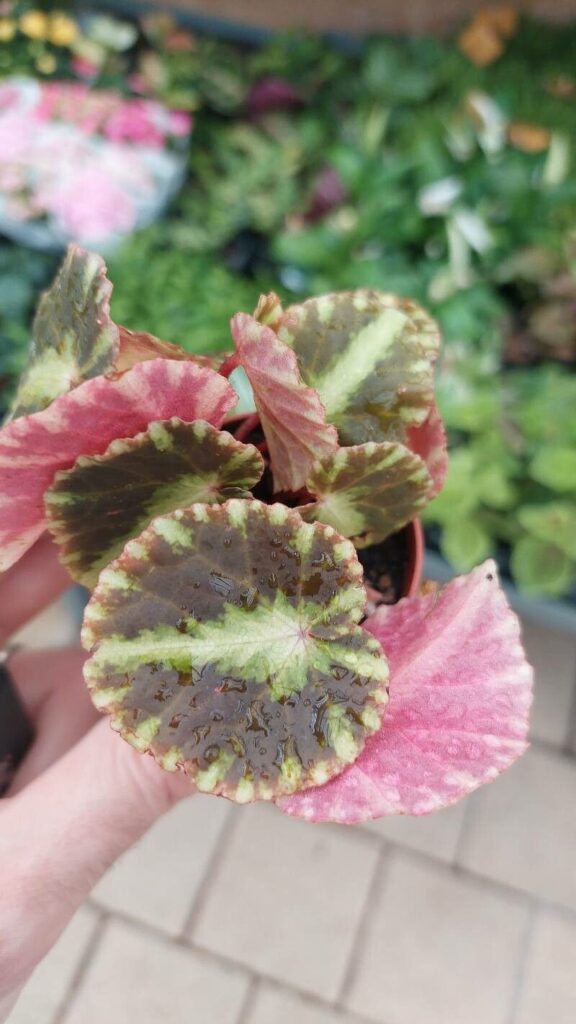
Propagating Begonia cleopatrae: Unlocking the Secrets of the Cleopatra Begonia
Begonia cleopatrae, also known as the Cleopatra Begonia, captivates gardeners with its unique, deeply textured, and almost metallic-looking leaves. Its foliage, a rich tapestry of dark green and silver, provides a dramatic focal point in any collection. This striking beauty, however, presents some propagation challenges, making successful multiplication a rewarding accomplishment for plant enthusiasts. While widely sought after for its ornamental value, its propagation methods are not as straightforward as some other Begonia species.
Seed Germination:
Currently, there are no known reliable methods for seed germination propagation of Begonia cleopatrae. While Begonia species generally produce seeds, those of B. cleopatrae appear to have low viability or germination rates in typical horticultural settings. Further research is needed to determine if specific germination requirements exist, such as specific light or hormonal treatments.
Cuttings:
Cuttings offer a significantly more reliable method for propagating Begonia cleopatrae.
Challenges: Success depends on achieving proper rooting conditions. The cuttings are prone to rot if the humidity or watering is not carefully controlled.
Practical Tips: Stem cuttings, ideally taken from healthy, non-flowering stems, are best. Take cuttings approximately 4-6 inches long, removing lower leaves to prevent rot. Dip the cut end in rooting hormone to encourage root development. Plant cuttings in a well-draining, moist propagation mix (perlite and peat moss are a good combination). High humidity is crucial; a humidity dome or propagation chamber is highly recommended. Place the cuttings in bright, indirect light, avoiding direct sunlight. Roots usually form within 4-6 weeks.
Rewards: Cuttings are relatively fast and straightforward, offering a reliable way to increase your stock of B. cleopatrae.
Division:
Division is a practical method for propagating established Begonia cleopatrae plants.
Challenges: This method is only applicable to mature plants with well-developed rhizomes. Care must be taken to avoid damaging the delicate roots during the division process.
Practical Tips: Divide the rhizome carefully, ensuring each division has several healthy leaves and some well-established roots. Plant each division in its own pot using a well-draining potting mix. Water gently to avoid overwatering and encourage root establishment.
Rewards: Division offers a relatively quick method to multiply mature plants, preserving the genetic character of the mother plant.
Tissue Culture:
Tissue culture offers the potential for large-scale propagation of Begonia cleopatrae.
Challenges: Tissue culture requires specialized equipment, aseptic techniques, and knowledge of plant tissue culture protocols. It’s not a method easily undertaken by the home gardener.
Practical Tips: This method is best left to specialized nurseries or laboratories. Sterile conditions and specific plant growth regulators are required for success.
Rewards: Tissue culture allows for rapid and large-scale multiplication of plants, offering the potential to produce many clones from a small sample and disease-free plants.
Conclusion:
Propagating Begonia cleopatrae presents unique challenges, but the rewards are well worth the effort. While seed germination is currently unreliable, cuttings and division offer viable and accessible options for most enthusiasts. Tissue culture represents a more advanced technique ideal for commercial propagation. The patience and attention to detail required to nurture these cuttings or divisions to maturity add a unique satisfaction to the experience, amplifying the joy of successfully cultivating this beautiful and dramatic plant. Do not be discouraged by initial setbacks – persistence and careful observation are key to unlocking the secrets of successfully propagating your Begonia cleopatrae.