
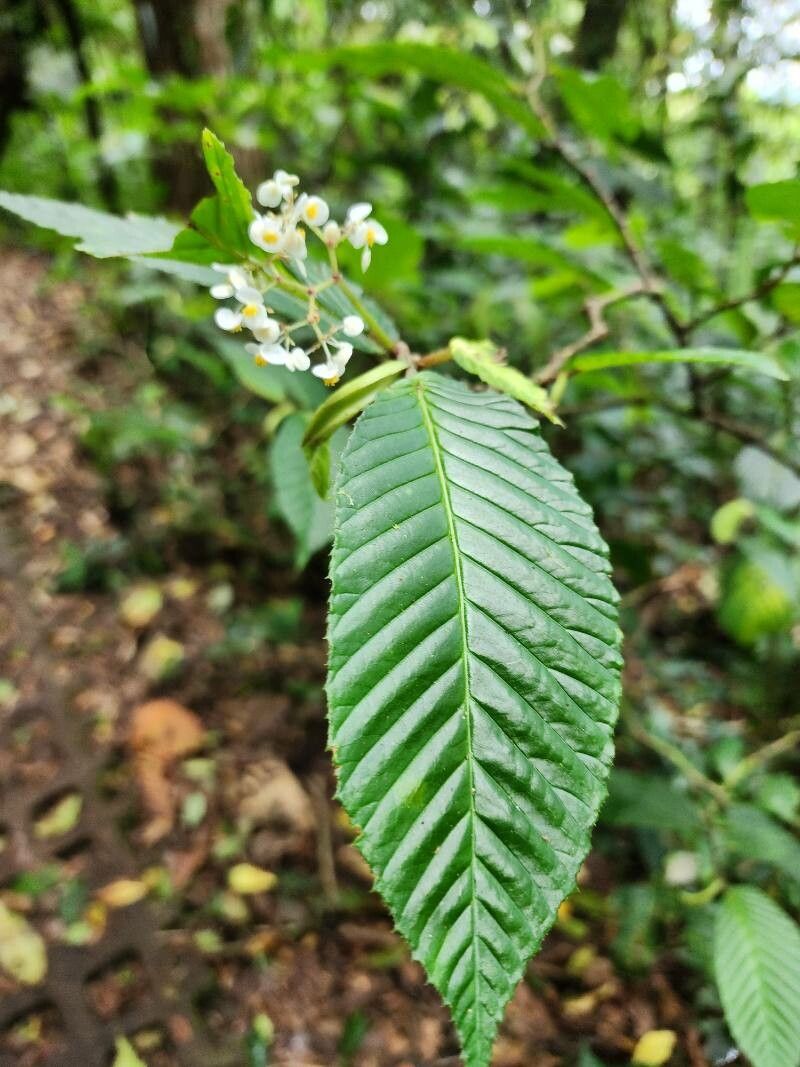
Propagating Begonia convallariodora: A Gardener’s Guide
Introduction
Begonia convallariodora, commonly known as the Lily-flowered Begonia, is a captivating species prized for its delicate, lily-like flowers and its relatively compact growth habit. Unlike some of its flamboyant cousins, B. convallariodora offers a subtle elegance that has earned it a devoted following among begonia enthusiasts. Its propagation, however, presents unique challenges, making successful cultivation a rewarding experience. While readily available commercially, propagating this begonia from existing plants offers a deeper connection to the plant and the potential to expand your collection.
Seed Germination:
Currently, there are no known reliable methods for seed germination propagation of Begonia convallariodora. While the plant does produce seeds, their viability and germination rate are extremely low, making seed propagation impractical for most home gardeners. Further research into seed germination techniques for this specific species may reveal viable methods in the future.
Cuttings:
Cuttings represent the most reliable method for propagating Begonia convallariodora.
Challenges: Success depends on using healthy, actively growing stem cuttings. The cuttings can be somewhat slow to root.
Practical Tips: Take 4-6 inch long stem cuttings, removing the lower leaves to prevent rot. Dip the cut end in rooting hormone before planting in a well-draining propagation mix (e.g., perlite and peat moss). Maintain high humidity using a humidity dome or covering the container with a plastic bag. Keep the mix consistently moist but not soggy. Propagation under grow lights or in a bright, indirect light location will speed up the process.
Rewards: Cuttings offer a relatively straightforward way to create genetically identical copies of your existing plant, ensuring you maintain the desirable characteristics.
Division:
Division is a viable but less common method for propagation.
Challenges: Successful division requires a mature plant with sufficiently developed rhizomes or tubers. Dividing too early can severely stress the parent plant.
Practical Tips: Carefully remove the plant from its pot. Gently separate the rhizomes or tubers, ensuring each division has healthy roots and shoots. Replant the divisions in a well-draining potting mix appropriate for begonias. Handle the plant gently to avoid damaging the delicate roots.
Rewards: Division offers a quick way to increase your plant numbers, especially with larger, established plants.
Tissue Culture:
Tissue culture is a sophisticated method that is not typically employed by home gardeners for Begonia convallariodora propagation.
Challenges: Tissue culture requires specialized equipment, sterile conditions, and significant expertise in plant tissue culture techniques. It is also more expensive.
Practical Tips: This method falls outside the scope of home propagation and requires a dedicated laboratory setting.
Rewards: Tissue culture enables the rapid production of numerous disease-free plants from a small amount of plant material, making it ideal for large-scale commercial propagation.
Conclusion:
Propagating Begonia convallariodora presents challenges, with cuttings emerging as the most viable method for the average gardener. While seed germination is currently unreliable, and tissue culture requires specialized expertise, the rewards of successfully nurturing a new plant from a cutting or division are significant. The patience and care required, coupled with the eventual success, provide a deeply satisfying experience for any plant lover. Don’t be discouraged by initial setbacks; keeping the propagation mix consistently moist, providing adequate light, and maintaining high humidity will greatly improve your chances of success with this uniquely beautiful plant. Happy propagating!