
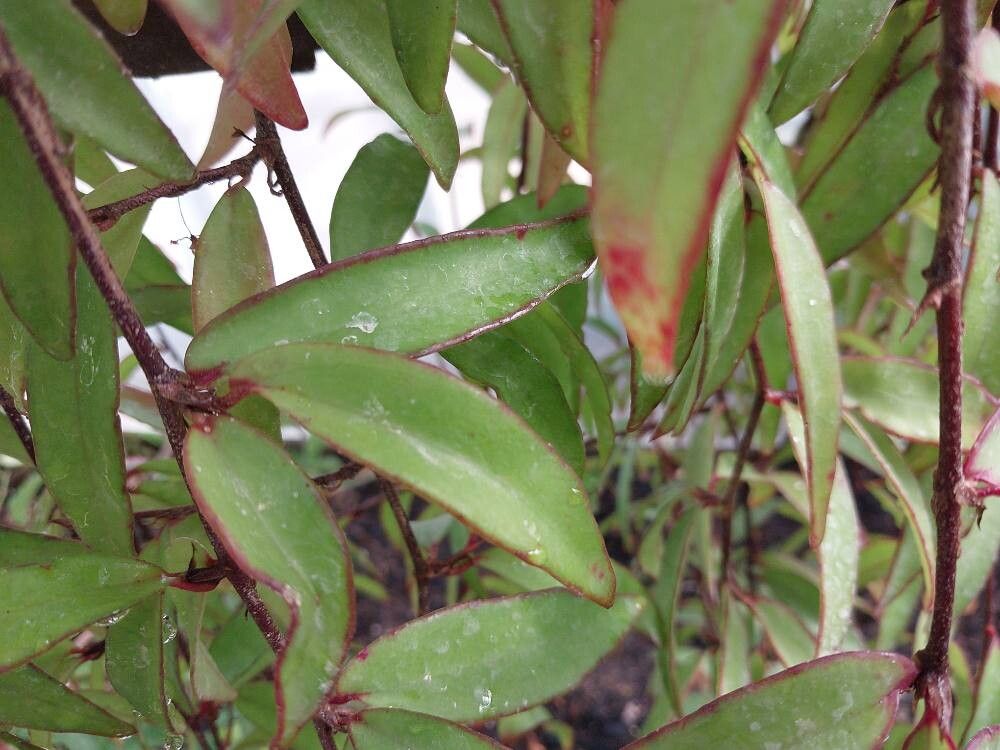
Propagating the Hairy-Stemmed Begonia: A Gardener’s Guide to Begonia capillipes
Introduction:
Begonia capillipes, also known as the hairy-stemmed begonia, is a captivating species prized for its slender, rhizomatous stems covered in distinctive reddish-brown hairs. Its elegant, asymmetrical foliage and delicate flowers contribute to its popularity among begonia enthusiasts. While relatively easy to cultivate once established, propagating Begonia capillipes presents unique challenges, making successful propagation a rewarding experience for the dedicated gardener. Its popularity stems from its relatively compact growth habit and its striking appearance, making it well-suited for both indoor and shaded outdoor environments.
Seed Germination:
Currently, there are no known reliable methods for seed germination propagation of Begonia capillipes. While the plant does produce seeds, germination rates are extremely low, and consistent success remains elusive even for experienced begonia growers. The tiny seeds are prone to damping-off, and successful germination requires highly specialized conditions rarely achievable in a home environment.
Cuttings:
1. Viability: Stem cuttings are the most successful and common method for propagating Begonia capillipes.
2. Practical Tips: Take 4-6 inch cuttings from healthy, actively growing stems in spring or early summer. Remove lower leaves to prevent rot and dip the cut end in rooting hormone before inserting into a well-draining rooting medium such as a perlite and vermiculite mix or moist sphagnum moss. Maintain consistently high humidity (e.g., using a propagation dome or humidity tray) and warm temperatures (around 21-24°C). Rooting typically takes 4-6 weeks.
3. Rewards: Cuttings offer a straightforward method to increase the number of plants, preserving the characteristics of the mother plant. It’s a relatively quick method, providing new plants within a few months.
Division:
1. Viability: Division is another effective method, particularly suitable for larger, established plants.
2. Practical Tips: Carefully dig up the rhizome in spring or early autumn. Divide the rhizome into sections, ensuring that each section has at least one actively growing shoot and a substantial portion of healthy roots. Plant the divisions immediately in a well-drained potting mix, ensuring that the rhizome is not buried too deeply.
3. Rewards: Division provides an efficient way to multiply mature plants, preserving the genetic characteristics of the parent plant and potentially resulting in faster flowering than cuttings.
Tissue Culture:
1. Viability: Tissue culture offers the potential for large-scale propagation and the elimination of diseases, though it requires specialized equipment and expertise.
2. Practical Tips: This method is best left to specialists with access to a controlled laboratory environment and the necessary sterile techniques. Explants (small pieces of tissue) are taken from the plant and grown on a sterile nutrient medium. The process is complex and involves several steps including sterilization, multiplication, and rooting.
3. Rewards: High propagation rates, disease-free plants, and the potential to mass-produce this plant are the main benefits. However, this method requires significant investment and specialized knowledge.
Conclusion:
Propagating Begonia capillipes presents unique challenges, particularly when considering seed germination. However, with the right techniques, cuttings and division offer reliable methods for increasing your collection. While tissue culture is a viable option for large-scale propagation, understanding specialized procedures is essential for success. The satisfaction of successfully propagating this captivating begonia, especially using less conventional methods, adds to the appreciation of this plant’s beauty and resilience. Don’t be discouraged by initial setbacks – persistence and attention to detail are key to achieving successful propagation of this fascinating plant and enjoying its unique charm in your garden or home.