
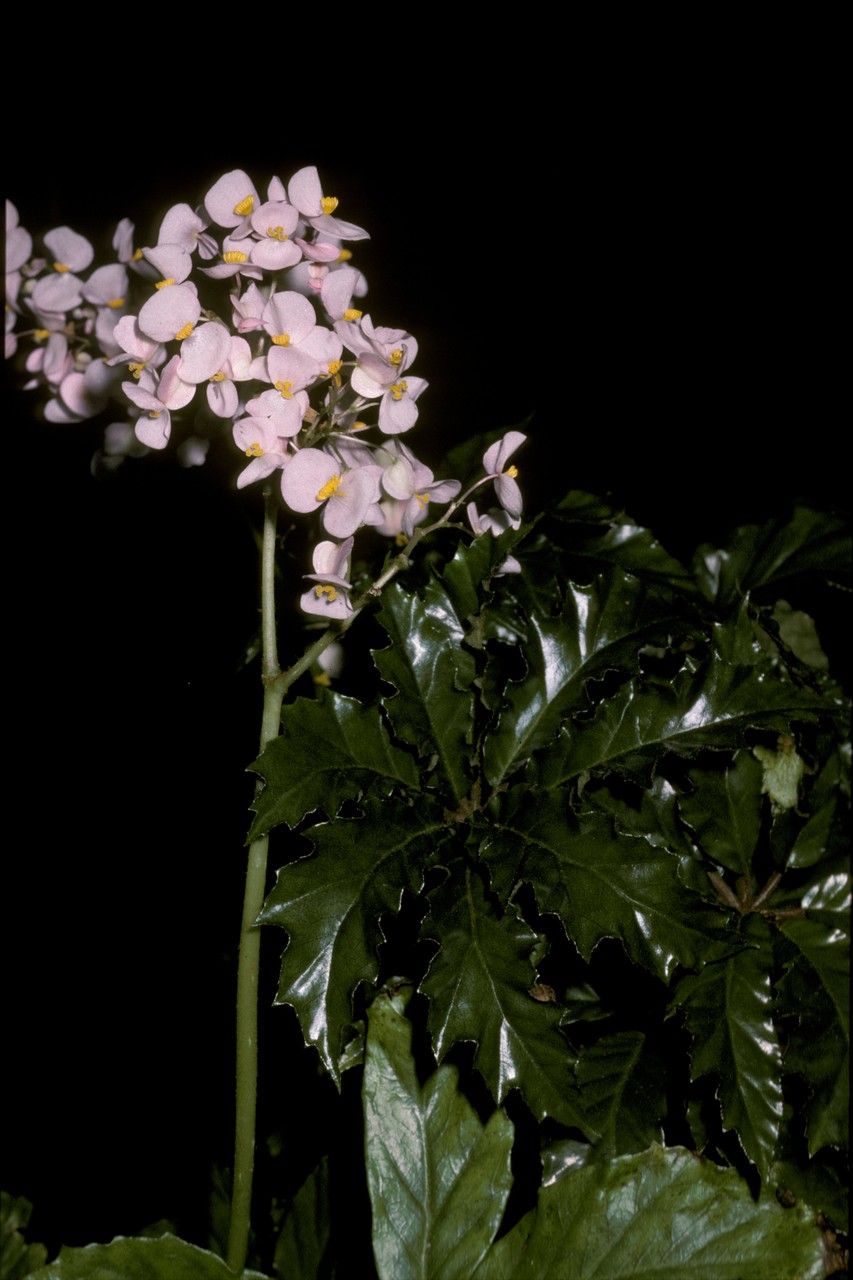
Propagating Begonia carolineifolia: A Gardener’s Guide
Introduction:
Begonia carolineifolia, also known as the Caroline Begonia, is a captivating species prized for its uniquely textured, deeply lobed leaves. Unlike many begonias with showy flowers, B. carolineifolia’s main attraction lies in its foliage, a stunning display of dark green, almost velvety leaves with striking silver markings. This relatively rare begonia has gained popularity among plant enthusiasts for its intriguing appearance and the challenge it presents in propagation. Its unique characteristics, coupled with its slightly more demanding propagation requirements compared to other begonia species, make its successful cultivation a rewarding experience.
Seed Germination:
Currently, there are no known reliable methods for seed germination propagation of Begonia carolineifolia. While some begonia species readily propagate from seed, this doesn’t appear to be the case for B. carolineifolia. Attempts at seed germination have often resulted in low germination rates or the production of plants that significantly deviate from the parent plant’s characteristics.
Cuttings:
Cuttings are the most commonly used and successful method for propagating Begonia carolineifolia.
Challenges: Root development can be slow. Leaf cuttings are less effective than stem cuttings.
Practical Tips:
- Timing: Spring or early summer, when the plant is actively growing, is ideal.
- Cutting Type: Use stem cuttings of approximately 4-6 inches long, taken from healthy, non-flowering stems. Include at least two nodes.
- Preparation: Remove lower leaves that would be submerged in the propagation medium to prevent rot.
- Rooting Medium: A well-draining mix of perlite and peat moss, or a soilless seed starting mix, is recommended.
- Hormones: While not strictly necessary, rooting hormone can improve success rates.
- Humidity: Maintain high humidity (e.g., using a propagation dome or plastic bag) to encourage root development.
- Lighting: Provide bright, indirect light; avoid direct sunlight.
- Watering: Keep the medium consistently moist, but not soggy.
Rewards: Clonal propagation guarantees plants that are genetically identical to the parent plant, preserving its desirable traits. This method is also relatively straightforward for experienced gardeners.
Division:
Division is a viable method, but it depends on the maturity and size of the existing plant.
Challenges: Requires a mature plant with well-established rhizomes or tubers. Care must be taken to avoid damaging the delicate root system.
Practical Tips:
- Timing: Best done in spring or early summer, during the active growing season.
- Preparation: Gently remove the plant from its container, carefully loosening the roots.
- Division: Use a clean, sharp knife or shears to divide the plant into sections, each containing healthy roots and leaves.
- Planting: Pot each section in a well-draining potting mix, ensuring the roots are properly spaced.
- Aftercare: Water gently and provide bright, indirect light.
Rewards: A quick way to increase the number of plants from a mature specimen.
Tissue Culture:
Tissue culture is a viable but advanced method requiring specialized equipment and expertise.
Challenges: Requires a sterile laboratory environment and specific knowledge of plant tissue culture techniques. It’s a more expensive and time-consuming method compared to cuttings or division.
Practical Tips:
This method should only be attempted by individuals with relevant experience in plant tissue culture laboratory settings.
Rewards: The potential for large-scale propagation, disease-free plants, and rapid multiplication.
Conclusion:
Propagating Begonia carolineifolia presents its own set of unique challenges, with cuttings proving to be the most reliable method for the average gardener. While seed germination is currently unreliable, and tissue culture demands specialized expertise, the rewards of successfully growing this beautiful begonia from a cutting or through division are substantial. The unique satisfaction derived from nurturing a small cutting into a mature plant, imbued with the same captivating charm as its parent, is a testament to the patience and dedication of the grower. For aspiring propagators, we recommend starting with cuttings and mastering those techniques before venturing into more complex methods. Remember meticulous care, patience, and attention to detail are key to success. Don’t be discouraged by initial setbacks – the beauty of a thriving Begonia carolineifolia, grown from your own efforts, makes the journey well worth it.