Propagating Bejaria racemosa: A Gardener’s Guide to the Florida Blueberry
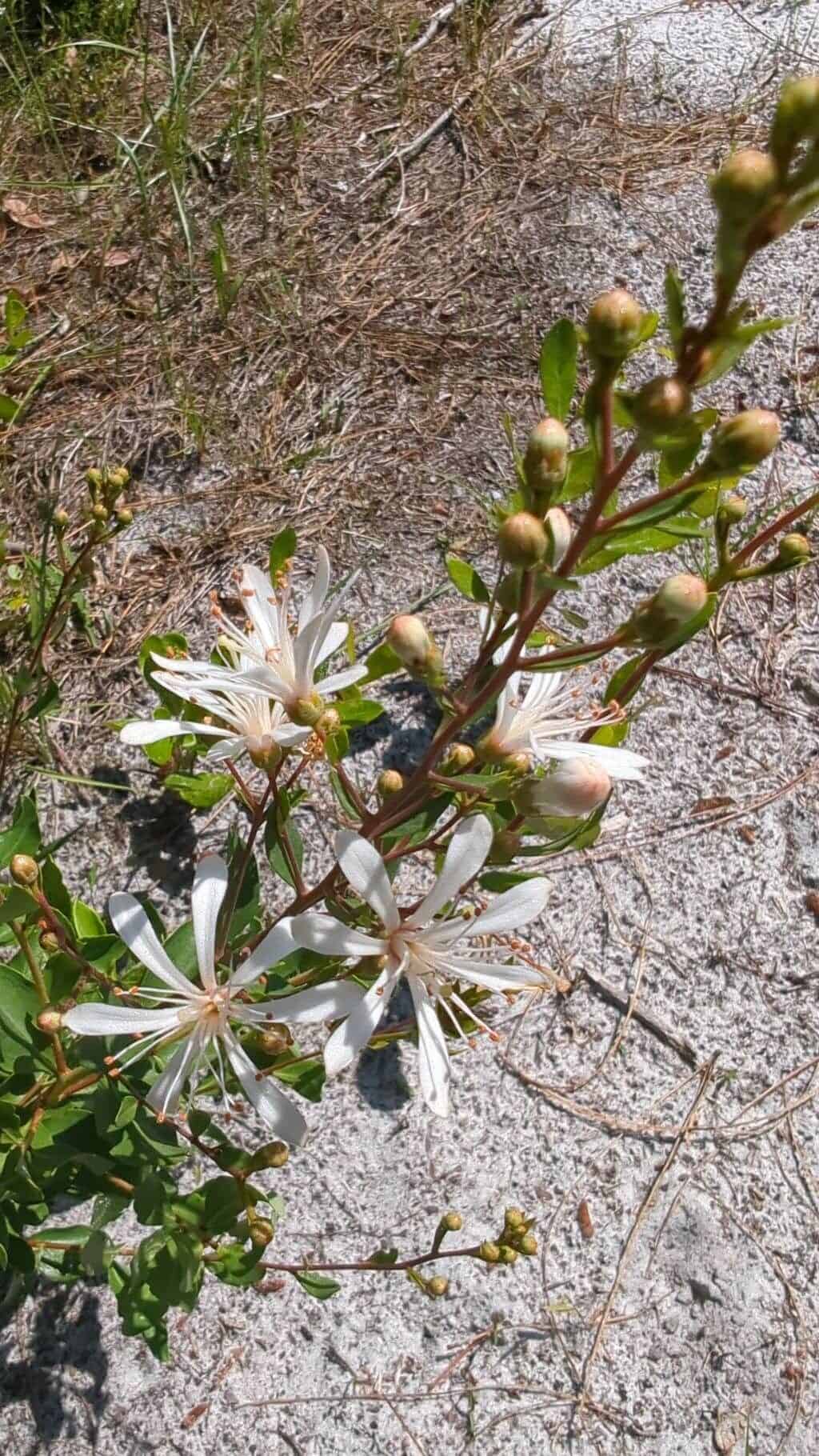
Bejaria racemosa, commonly known as Florida Blueberry, is a striking evergreen shrub prized for its beautiful clusters of bell-shaped, white to pinkish flowers and its attractive, leathery foliage. Its relatively slow growth and unique aesthetic qualities make it a popular choice among gardeners seeking a distinctive addition to their landscape, particularly in USDA Plant Hardiness Zones 8-11. However, propagating this charming plant can be challenging. Its recalcitrant nature necessitates a careful approach, focusing on the methods offering the highest likelihood of success.
Seed Germination:
Currently, there are no known reliable methods for seed germination propagation of Bejaria racemosa. While seeds are produced, their germination rate is extremely low, and reliable germination protocols haven’t been established in horticultural practice. The challenges likely include dormancy mechanisms within the seed itself, along with the need for highly specific environmental conditions that are difficult to replicate outside of its natural habitat.
Cuttings:
Cuttings present a more viable option for propagating Bejaria racemosa. However, success rates remain moderate, requiring patience and attention to detail.
Challenges: The primary challenge lies in rooting the cuttings. Bejaria racemosa cuttings are prone to rot, particularly if the humidity and moisture levels are not precisely controlled. Using semi-hardwood cuttings (taken from new growth that has slightly hardened) offers the best chance of success.
Practical Tips: Use a sharp, clean blade to take 4-6 inch cuttings, removing lower leaves to prevent rot. Dip the cut ends in rooting hormone powder. Plant cuttings in a well-draining, sterile propagation mix such as a perlite and peat moss blend. Maintain high humidity through misting or using a humidity dome. Bottom heat can also improve rooting success.
Rewards: Successfully propagating Bejaria racemosa from cuttings offers the advantage of maintaining the exact genetic characteristics of the parent plant. This is particularly useful for preserving rare cultivars or superior selections.
Division:
Division is not a practical method for propagating Bejaria racemosa. The plant’s root system is not easily divided without causing significant damage to the parent plant and compromising the survival rate of the divisions.
Tissue Culture:
Tissue culture offers a potential avenue for large-scale propagation of Bejaria racemosa. This highly specialized technique involves growing plant tissues in a sterile laboratory setting, allowing for the production of numerous genetically identical plants from a small sample.
Challenges: Establishing and maintaining a successful tissue culture protocol requires specialized knowledge, equipment, and a sterile environment. Finding appropriate growth media and hormones to encourage successful shoot multiplication and root formation is crucial.
Practical Tips: This technique is best left to experienced tissue culture laboratories.
Rewards: Tissue culture offers the potential for mass production of Bejaria racemosa, producing many genetically identical plants quickly.
Conclusion:
Propagating Bejaria racemosa presents considerable challenges, with cuttings providing the most realistic method for the home propagator. Seed germination is currently unreliable, while division and tissue culture remain complex undertakings. However, the rewards—cultivating this elegant shrub from your own efforts—are substantial. The unique satisfaction derived from successfully nurturing a Bejaria racemosa cutting from a small stem to a thriving plant makes the undertaking ultimately worthwhile. Perseverance, attention to detail, and a willingness to learn are key to navigating the challenges and experiencing the profound gratification of propagating this beautiful and uncommon shrub. Don’t be discouraged by initial setbacks; with meticulous care and patience, you can enjoy the unique beauty of Florida Blueberry flourishing in your garden.