
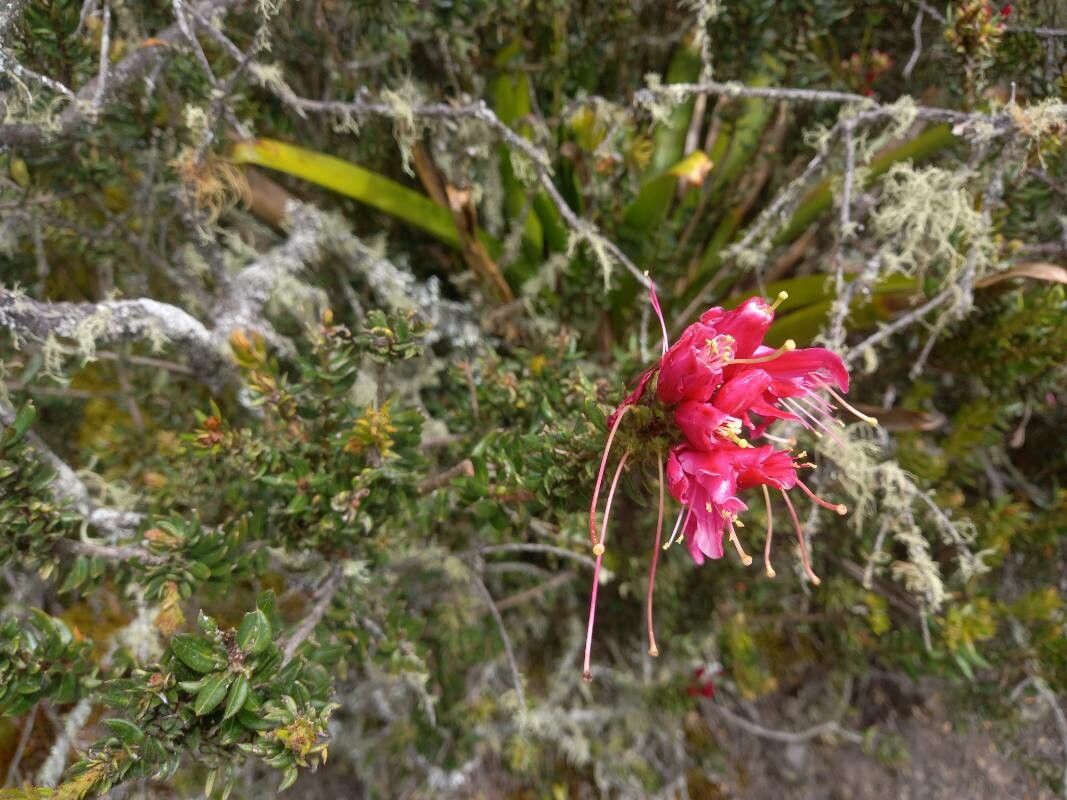
Propagating Bejaria resinosa: A Gardener’s Challenge and Reward
Bejaria resinosa, commonly known as resinous bejaria or simply Bejaria, is a captivating evergreen shrub prized for its striking, bell-shaped flowers and attractive foliage. Native to the cloud forests of Central America, this plant boasts a unique beauty that has earned it a place in the hearts of many gardeners. However, its propagation presents a fascinating set of challenges, making successful cultivation all the more rewarding. Its relative rarity in cultivation contributes to its unique appeal and adds to the mystique surrounding its propagation.
Seed Germination:
Currently, there are no known reliable methods for seed germination propagation of Bejaria resinosa. While seeds may be produced, their viability and germination rate appear exceptionally low, likely due to factors such as the specific microclimatic requirements of its natural habitat and potential dormancy mechanisms. Further research is needed to explore potential pre-treatment techniques like scarification or stratification, but at present, this method is not recommended for practical propagation.
Cuttings:
Cuttings offer a more promising avenue for propagating Bejaria resinosa. However, it is not a straightforward process.
Challenges: The relatively slow rooting rate is a significant hurdle. The success of cutting propagation heavily relies on maintaining optimal humidity and temperature conditions to prevent desiccation and fungal infections.
Practical Tips: Semi-hardwood cuttings taken in late summer or early autumn, using rooting hormone, and placed in a humid propagation environment (e.g., a propagator with bottom heat) are recommended. Misting regularly is crucial. Using a well-draining propagation mix is also vital to prevent rot.
Rewards: Successful propagation via cuttings offers the advantage of maintaining the genetic characteristics of the mother plant, creating clones with consistent traits. This makes it a suitable method for propagating desirable cultivars.
Division:
Division is generally not a viable option for propagating Bejaria resinosa. The plant’s root structure is not conducive to being easily divided without causing significant damage and reducing the chances of successful establishment.
Tissue Culture:
Tissue culture offers the potential for large-scale propagation of Bejaria resinosa, overcoming the limitations of seed germination and cuttings.
Challenges: Developing a reliable tissue culture protocol requires specialized knowledge, equipment, and aseptic techniques. Finding optimal media formulations and growth regulators to induce shoot proliferation and rooting is crucial, and may require extensive experimentation.
Practical Tips: Experienced tissue culture laboratories with expertise in woody species would be best suited for this approach.
Rewards: Tissue culture can produce a large number of genetically identical plants rapidly, and it allows for the production of disease-free plantlets.
Conclusion:
Propagating Bejaria resinosa presents a significant challenge, with seed germination proving unreliable and division impractical. Cuttings offer a more realistic approach, albeit with a demanding process that requires patience and attention to detail. Tissue culture represents a potentially high-yield method but demands specialized expertise. The rewards, however, are substantial. Successfully cultivating this beautiful plant, whether through cuttings or tissue culture, brings a deep sense of satisfaction, a testament to perseverance and horticultural skill. The difficulty involved only enhances the pleasure of adding a thriving Bejaria resinosa to your garden or collection, a symbol of achievement against the odds. For aspiring propagators, I encourage experimentation, meticulous record-keeping, and persistence; the beauty of this rare plant is well worth the effort.