
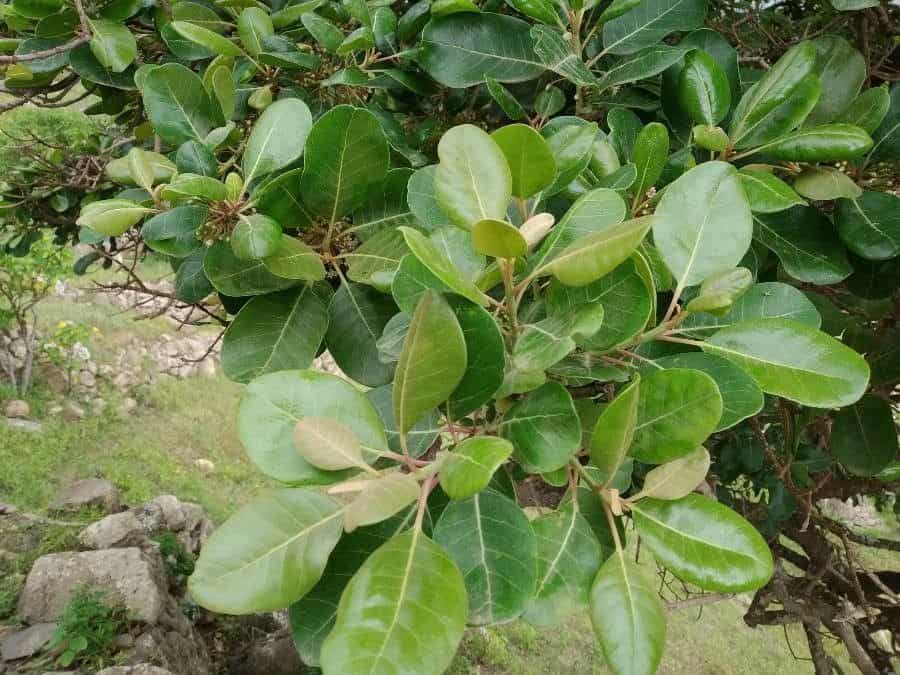
Taming the Tough Nut: Propagating the Margined Bully
The Margined Bully (Sideroxylon marginatum) – with a name like that, it has to be a brute, right? Well, this Florida native tree is tough, known for its resilience in harsh coastal environments. This makes it a fantastic choice for landscapers and gardeners seeking a low-maintenance, drought-tolerant, and visually appealing evergreen.
But what about growing new Margined Bully trees? That’s where things get a bit tricky. Propagating Sideroxylon marginatum isn’t as simple as tossing some seeds in the ground and hoping for the best. But don’t worry, with the right approach and a dash of patience, you can cultivate these tenacious trees.
The Challenge of the "Tough Nut"
Sideroxylon marginatum seeds are notorious for their hard seed coat and delayed germination. This dormancy mechanism is nature’s way of ensuring the seeds sprout when conditions are ideal. But for us eager gardeners, it means employing a few tricks to encourage germination.
Methods for Margined Bully Propagation
1. Seed Scarification and Stratification:
- Scarification: The tough seed coat requires some "persuasion" to allow water absorption. Gently rub the seed against sandpaper or nick it with a nail clipper, being careful not to damage the inner embryo.
- Stratification: Mimic nature by placing the scarified seeds in a moist medium like vermiculite or peat moss. Store them in the refrigerator (around 40°F) for 60-90 days. This cold treatment helps break dormancy.
After stratification, sow the seeds in a well-draining potting mix, keeping them consistently moist and warm (around 75°F). Be patient, as germination can still take several weeks or even months.
2. Air Layering:
For a faster and potentially more reliable method, consider air layering. This technique involves:
- Wounding: Carefully make a small upward cut or scrape a ring of bark on a healthy branch.
- Rooting Hormone (optional): Apply rooting hormone to the wounded area to encourage root development.
- Moist Medium: Wrap the wound with moist sphagnum moss or coco coir, ensuring it stays consistently damp.
- Protective Covering: Cover the wrapped wound with plastic wrap or aluminum foil to retain moisture and warmth.
With proper care, roots should develop within a few months. Once established, the branch can be severed from the parent tree and potted as a new plant.
3. Cuttings:
While possible, propagating Margined Bully from cuttings is less common due to a lower success rate. However, you can experiment with semi-hardwood cuttings taken in late spring or early summer. Treat the cuttings with rooting hormone and provide them with a warm, humid environment.
Patience is Key
Whichever propagation method you choose, remember that patience is crucial. The Margined Bully, true to its name, might be slow to start, but once established, it rewards you with a beautiful, resilient tree that will grace your landscape for years to come.
Beyond Propagation: Caring for Your Margined Bully
Once you’ve successfully propagated your Margined Bully, provide it with well-drained soil and plenty of sunlight. These hardy trees are drought-tolerant once established but benefit from occasional watering during prolonged dry spells. With minimal care, your Margined Bully will thrive, offering shade, beauty, and a touch of wild Florida charm to your garden.