
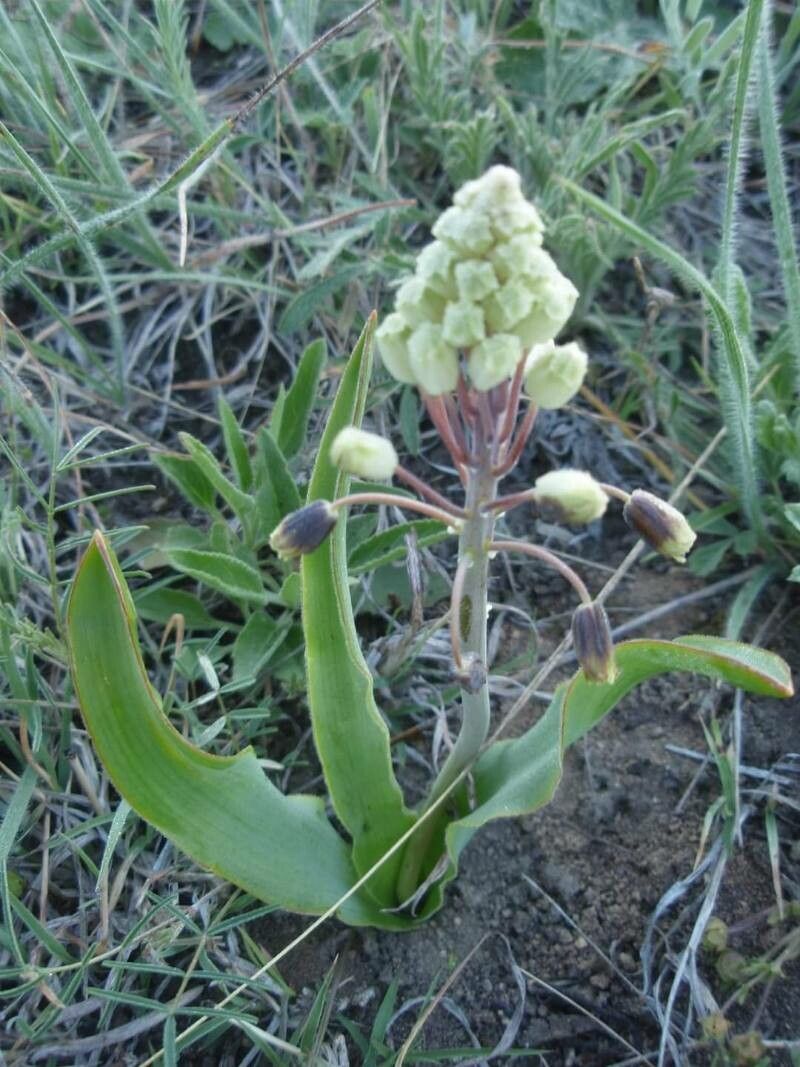
Propagating Bellevalia ciliata: A Gardener’s Guide to the Feathery Bellevalia
Introduction:
Bellevalia ciliata, also known as the fringed bellevalia or ciliate bellevalia, is a charming bulbous perennial prized for its delicate, bell-shaped flowers. These flowers, which boast a striking fringe of hairs along their edges, typically bloom in spring, showcasing a delightful array of blue, purple, or white hues. Its relative ease of cultivation and unique floral characteristics have made it increasingly popular among gardeners, although propagating Bellevalia ciliata can present some challenges. This article explores various propagation methods, outlining their viability and providing practical guidance.
Seed Germination:
Seed germination is a viable method for propagating Bellevalia ciliata, but it presents challenges. Freshly harvested seeds offer the best chance of success. However, Bellevalia ciliata seeds exhibit dormancy, often requiring a period of cold stratification to break this dormancy and stimulate germination.
Challenges: Low germination rates are common, even with stratification. Seedlings are initially slow-growing and vulnerable to fungal diseases.
Practical Tips: Sow seeds in autumn in a well-draining seed-starting mix. Pre-soak seeds for 24 hours before sowing. Stratify seeds in moist vermiculite or peat moss in a refrigerator at 3-5°C (37-41°F) for 8-12 weeks before sowing. Maintain consistently moist (but not soggy) conditions after sowing. Provide bright, indirect light once seedlings emerge.
Rewards: Successfully germinated seeds offer a high degree of genetic diversity, leading to a wider range of plant characteristics. It provides the opportunity for large-scale propagation over time.
Cuttings:
Currently, there are no known reliable methods for propagation of Bellevalia ciliata via cuttings. The plant’s structure and growth habit do not lend themselves to successful propagation using stem or leaf cuttings.
Division:
Division is a straightforward and relatively successful method of propagating Bellevalia ciliata. Established bulbs naturally produce offsets (smaller bulbs) over time.
Challenges: Division should be performed during the plant’s dormant period (summer or early autumn) in order to minimize stress. Care is needed to avoid damaging the delicate bulbs and their roots during separation.
Practical Tips: Gently lift the entire clump from the ground. Separate the offsets carefully, ensuring each has healthy roots and a portion of the basal plate. Replant the offsets immediately into well-prepared soil, maintaining the same planting depth as the original bulb.
Rewards: Division is a quick and efficient method, resulting in a rapid increase in the number of plants. It maintains the characteristics of the parent plant, ensuring uniformity in the resulting plants.
Tissue Culture:
Tissue culture propagation of Bellevalia ciliata is technically feasible but requires specialized equipment, sterile conditions, and expertise in plant tissue culture techniques.
Challenges: Establishing a sterile environment and maintaining aseptic conditions are critical. Finding appropriate media formulations that promote shoot and bulb formation can be challenging and requires experimentation.
Practical Tips: While described here, this is a technical process not suitable for the home gardener. It is best left to laboratories or nurseries specializing in plant propagation.
Rewards: Tissue culture allows for rapid large-scale propagation of genetically identical plants, maintaining uniformity and desirable traits. It can also be useful for preserving rare or endangered varieties.
Conclusion:
Propagating Bellevalia ciliata presents a range of options, each with its own set of advantages and challenges. Seed germination, while offering genetic diversity, requires patience and careful attention to detail. Division provides a more efficient and reliable method for the home gardener, while tissue culture offers large-scale possibilities for professionals. The unique beauty of Bellevalia ciliata, however, ultimately rewards the effort invested in its propagation. The satisfaction of nurturing these tiny bulbs into full bloom, with their delicate fringed flowers, makes the process worthwhile, even with its inherent difficulties. For beginners, starting with division might be the most rewarding path, while ambitious gardeners might explore seed germination. Remember patience and perseverance are key to success.