
Propagating the Common Daisy: A Gardener’s Guide to Bellis rotundifolia
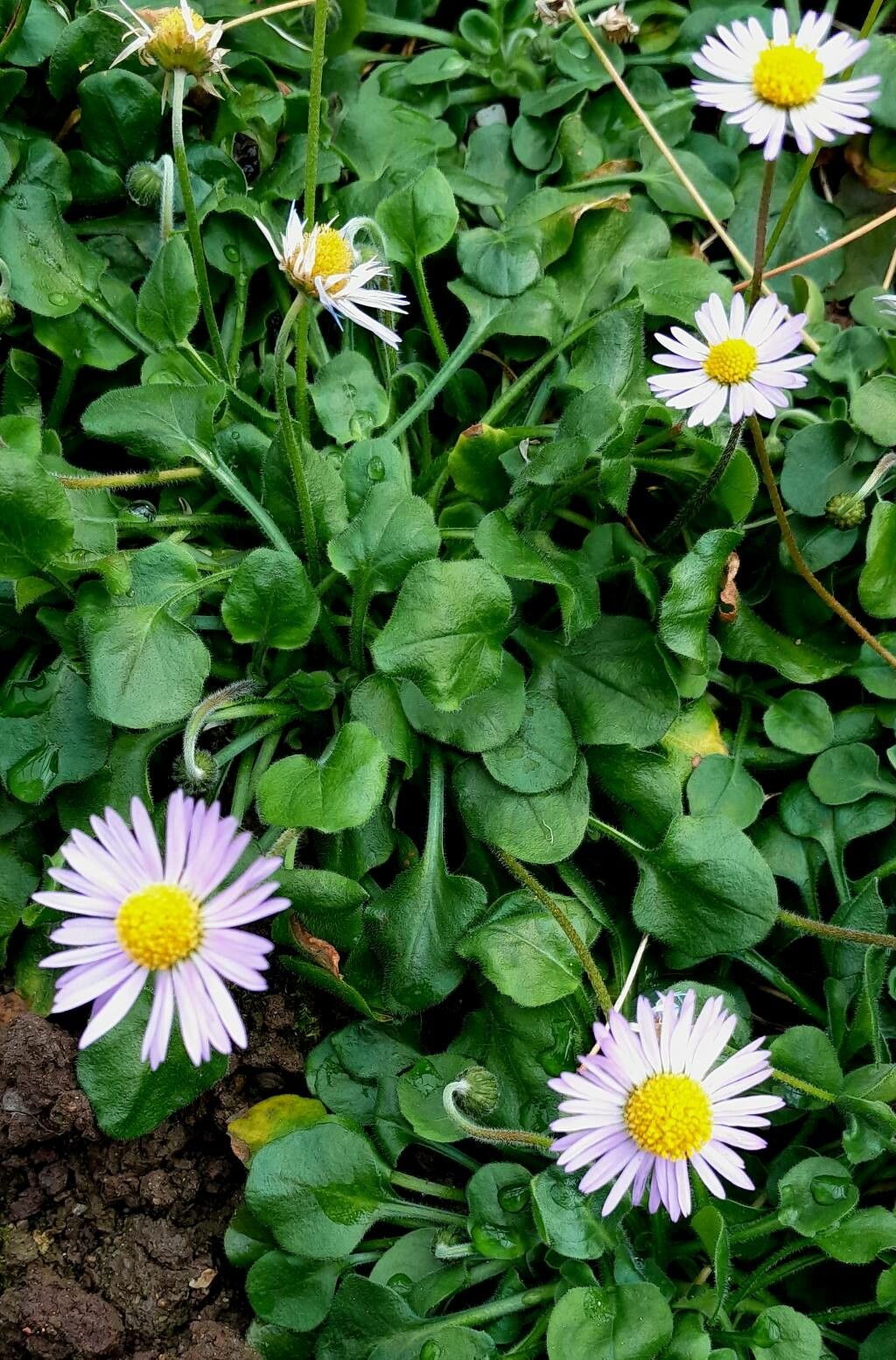
Bellis rotundifolia, commonly known as the common daisy, lawn daisy, or English daisy, is a beloved perennial flowering plant cherished for its cheerful, simple beauty. Its low-growing habit, vibrant white (often with a yellow center) blooms, and tolerance of various conditions make it a popular choice for lawns, borders, and rock gardens. Its ease of propagation adds to its appeal, though some methods present more challenges than others. This article explores various techniques for successfully propagating Bellis rotundifolia.
Seed Germination:
Seed germination for Bellis rotundifolia is a viable, albeit sometimes unpredictable, method. Challenges include a relatively low germination rate and the need for specific conditions to mimic the plant’s natural environment. Seeds benefit from a period of cold stratification—a process that simulates winter conditions to break seed dormancy. This can be achieved by mixing seeds with moist vermiculite or peat moss and storing them in a refrigerator at 4°C (39°F) for 4-6 weeks before sowing. Sowing should be done in a well-drained seed tray containing a seed-starting mix, at a depth of approximately 0.5cm (1/4 inch). Keep the soil moist but not waterlogged. Germination usually occurs within 2-4 weeks under bright, indirect light at temperatures around 15-20°C (60-68°F). Rewards include the potential for generating high numbers of plants with a greater degree of genetic diversity than other propagation methods. However, expect some variability in flowering time and color among seedlings.
Cuttings:
Currently, there are no known reliable methods for propagating Bellis rotundifolia from cuttings. The plant generally doesn’t readily root from stem cuttings, making this method impractical.
Division:
Division is a highly effective and straightforward method for propagating Bellis rotundifolia. It’s best carried out in early spring or autumn when the plant is actively growing. Challenges are minimal, mostly involving careful handling to avoid damaging the roots. To propagate by division, gently dig up the mature clump, carefully separate it into smaller sections, ensuring each section has healthy roots and several shoots. Replant these divisions immediately in well-prepared soil, ensuring good soil contact around the roots. The rewards are numerous: quick establishment, rapid flowering, and the maintenance of the parent plant’s characteristics. This method is ideal for preserving desirable varieties.
Tissue Culture:
Tissue culture is a technically advanced method that isn’t typically employed for propagating Bellis rotundifolia at home. While it offers the potential for mass production of genetically identical plants, it requires specialized equipment, sterile conditions, and a detailed understanding of plant tissue culture techniques. It is, therefore, not a practical option for the average gardener.
Conclusion:
Propagating Bellis rotundifolia offers a diverse range of experiences and challenges depending on the chosen method. While seed germination presents potential for genetic diversity but can be inconsistent, division offers a simple, reliable, and rewarding approach for the home gardener. Cuttings and tissue culture are largely unsuitable for amateur cultivation. The satisfaction derived from successfully propagating this charming plant, especially through division, is immense, a testament to patience and careful observation. The simple beauty of the common daisy is matched only by the simple gratification of successfully nurturing its propagation, a testament to the ongoing connection between humans and nature in the garden. Aspiring propagators should start with the simpler division method and gradually explore the intricacies of seed germination, once confidence is built.