
Propagating Bellevalia turkestanica: A Gardener’s Guide
Introduction:
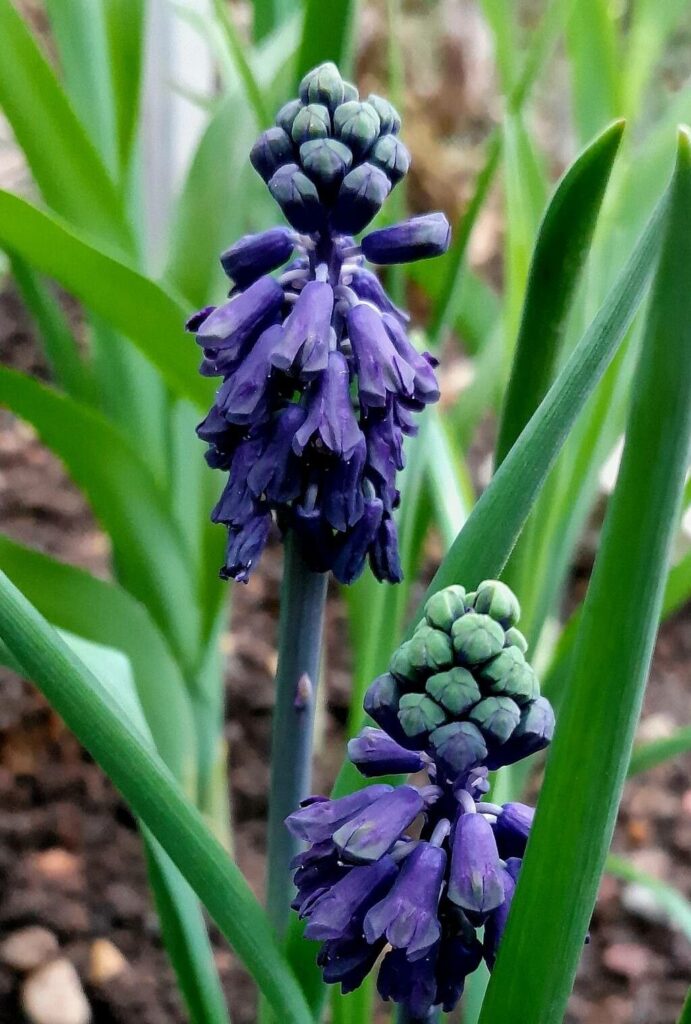
Bellevalia turkestanica, sometimes called the Turkestan Bellevalia or simply Turkestan squill, is a charming bulbous perennial that captivates gardeners with its delicate, bell-shaped flowers. These flowers, typically a vibrant blue-violet, appear in dense racemes atop slender stems in spring, adding a touch of elegance to rock gardens, borders, or containers. Its relatively low maintenance needs and unique appearance contribute to its growing popularity. However, propagating this beauty presents some challenges, and understanding the different methods is key to success. This article will explore various propagation techniques for Bellevalia turkestanica, weighing their pros and cons.
Seed Germination:
Currently, there are no known reliable methods for seed germination propagation of Bellevalia turkestanica. While seeds may be produced, their germination rate is extremely low, and successful germination under cultivation has not been consistently documented. Further research is needed to determine optimal conditions for seed germination, if such conditions even exist for this species.
Cuttings:
Cuttings are not a viable method for propagating Bellevalia turkestanica. This species, which grows from bulbs, does not readily produce the type of stems suitable for vegetative propagation through cuttings. The plant’s energy primarily focuses on bulb development and flowering.
Division:
Division offers the most reliable method for propagating Bellevalia turkestanica. Mature bulbs, after several years of growth, will often produce offsets (smaller bulbs) clustered around the main bulb.
-
Challenges: The offsets are relatively small and may take several years to reach flowering size. Care must be taken during division not to damage the delicate bulbs or their roots. The timing of division is crucial – ideally done after the foliage has died back in late summer or early autumn.
-
Practical Tips: Carefully lift the entire clump of bulbs. Gently separate the offsets from the main bulb, ensuring each offset has some root material attached. Plant the offsets individually in well-drained soil, at a depth roughly twice their height. Water gently to settle the soil.
- Rewards: Division allows for relatively quick increase in the number of plants, preserving the characteristics of the parent plant. It’s a simple technique suitable for home gardeners.
Tissue Culture:
Tissue culture offers a potential method for large-scale propagation of Bellevalia turkestanica but is not a practical option for home gardeners.
-
Challenges: Tissue culture requires specialized equipment, sterile conditions, and expertise in plant tissue culture techniques. It is a cost-prohibitive method for individual gardeners.
-
Practical Tips: This method would involve establishing cultures from small pieces of bulb tissue on a nutrient medium, followed by subculturing and ultimately transferring the plantlets to soil.
- Rewards: Tissue culture allows for the rapid multiplication of desirable genotypes, enabling large-scale production of uniform plants for commercial purposes. It also offers opportunities for disease elimination.
Conclusion:
Propagating Bellevalia turkestanica effectively presents unique challenges. While seed propagation currently appears impractical, division is the most readily achievable method for amateur gardeners. Though division requires patience and careful handling to yield flowering-sized bulbs efficiently, the eventual reward of a thriving patch of these delicate blooms far outweighs the effort. Tissue culture, while potentially highly effective for mass propagation, remains outside the reach of most home cultivators. The unique satisfaction of cultivating this beautiful plant comes from understanding its propagation challenges and skillfully overcoming them, transforming a single bulb into a vibrant display that adorns the garden for years to come. Don’t be discouraged by the difficulties; embrace the challenge and enjoy the unique rewards of successfully growing Bellevalia turkestanica.