
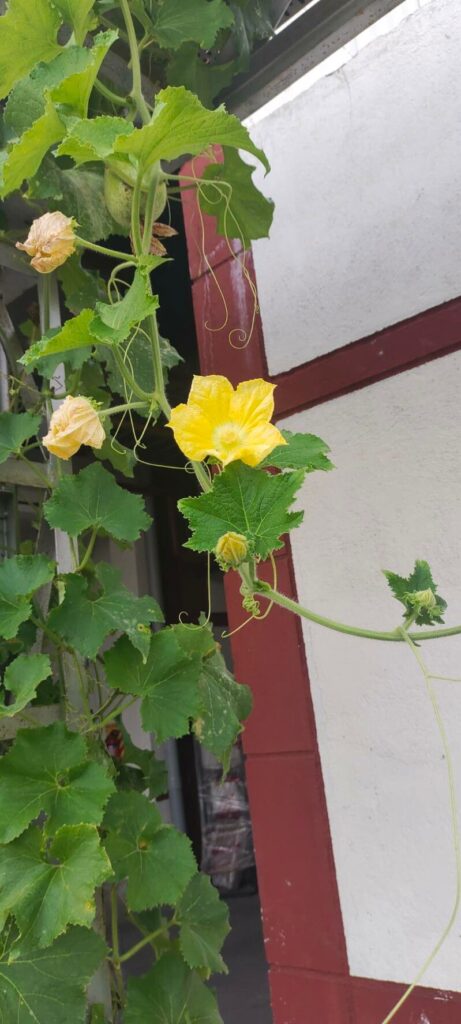
Taming the Winter Melon: Your Guide to Propagating Benincasa hispida
The winter melon, also known by its scientific name Benincasa hispida, is a fascinating and rewarding plant to grow. This large, mild-flavored melon, a staple in many Asian cuisines, is surprisingly easy to propagate at home. Whether you’re an experienced gardener or a curious beginner, this guide will equip you with the knowledge to successfully grow your own winter melons from seed.
Two Paths to Propagation: Seeds or Seedlings
While you can often find winter melon seedlings at specialty nurseries, starting from seed offers a wider variety of cultivars and the satisfaction of nurturing a plant from its earliest stages.
- Starting from Seed: This method offers the most flexibility and is generally more economical. Winter melon seeds are readily available online or at Asian grocery stores.
- Starting from Seedlings: Opting for seedlings can give you a head start, especially in regions with shorter growing seasons. Ensure the seedlings are healthy, with vibrant green leaves and no signs of pests or diseases.
Sowing the Seeds of Success:
Winter melon seeds boast a high germination rate, making the process relatively straightforward. Here’s how:
- Timing is Key: Sow seeds indoors 4-6 weeks before the last expected frost in your area. This ensures the seedlings are robust enough when it’s time to transplant them outdoors.
- Prepare Your Seed Starting Mix: Choose a well-draining, seed-starting mix. You can use peat pots or seed trays, ensuring good drainage.
- Sow the Seeds: Plant the seeds about an inch deep in the moist seed starting mix.
- Provide Warmth and Moisture: Place the seed trays or pots in a warm, sunny location, maintaining a temperature of around 70-80°F (21-27°C). Keep the soil consistently moist but not waterlogged.
- Germination Time: The seeds will generally germinate within 7-14 days. Once they sprout, ensure they receive ample sunlight, either from a south-facing window or grow lights.
Transplanting Your Winter Melon Treasures:
- Harden Off Your Seedlings: Before transplanting outdoors, gradually acclimate the seedlings to direct sunlight and wind over a week or two. This process is known as “hardening off” and helps prevent transplant shock.
- Choose the Perfect Spot: Winter melons thrive in full sun (at least 6 hours daily) and well-drained, fertile soil. They are sprawling plants, so provide ample space – ideally a 6-foot diameter for each plant.
- Plant with Care: Carefully transplant the seedlings into the prepared soil, burying them slightly deeper than they were in their pots. Water thoroughly.
Nurturing Your Winter Melon Patch:
- Watering: Consistent watering is crucial, especially during dry periods. Water deeply at the base of the plant, avoiding wetting the leaves.
- Fertilizing: Feed your plants with a balanced fertilizer every 2-3 weeks to promote healthy growth and fruit development.
- Providing Support: Winter melons are vining plants. Offer support with trellises, fences, or sturdy stakes to encourage vertical growth and maximize fruit production.
- Pest and Disease Control: While generally hardy, be on the lookout for common garden pests like aphids, squash bugs, and cucumber beetles. Employ organic pest control methods or consult your local garden center for appropriate solutions.
Harvesting Your Bountiful Crop:
Winter melons are typically ready for harvest in about 100 days after sowing, when the skin turns a dull green and sounds hollow when tapped. With its long storage life, you can enjoy the fruits of your labor throughout the winter months.
Propagating Benincasa hispida might sound intimidating, but armed with the right knowledge, even novice gardeners can enjoy the unique experience of growing these fascinating melons. Now, it’s your turn to try!