
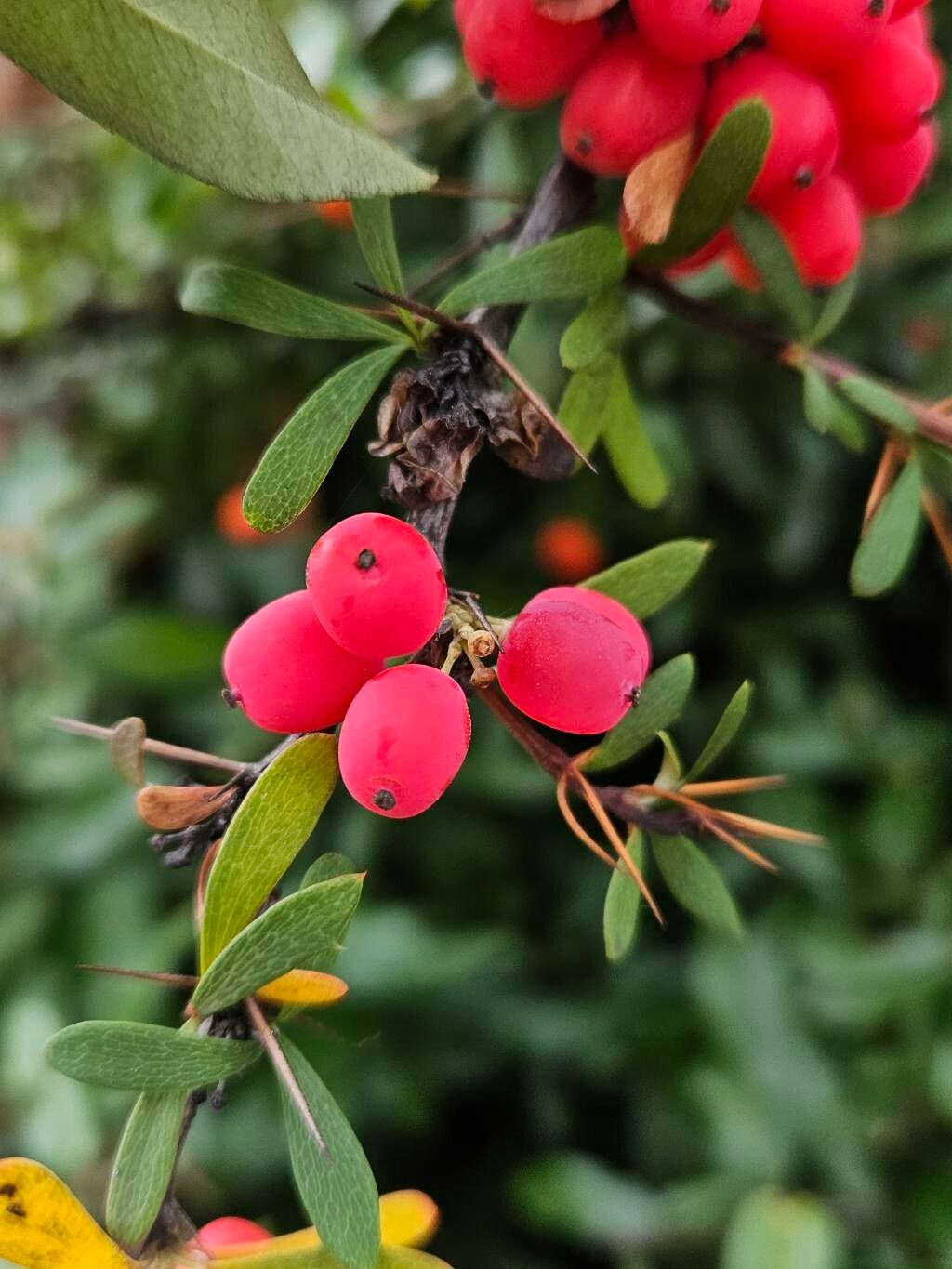
Propagating Berberis aggregata: A Gardener’s Guide to the Clustered Barberry
Introduction
Berberis aggregata, commonly known as the clustered barberry, is a captivating shrub prized for its vibrant yellow flowers, striking blue-black berries, and attractive, spiny foliage. Its compact habit makes it a versatile addition to gardens, suitable for borders, hedges, or as a specimen plant. While relatively easy to maintain once established, propagating Berberis aggregata presents some unique challenges, making successful propagation a rewarding accomplishment for keen gardeners. Its popularity, coupled with the desirability of maintaining genetic diversity, makes exploring different propagation methods worthwhile.
Seed Germination:
Currently, there are no known reliable methods for seed germination propagation of Berberis aggregata. While seeds may be produced, their germination rate is notoriously low, and successful germination often requires highly specialized techniques not readily accessible to the average gardener. The dormancy period is likely substantial, requiring prolonged cold stratification, and even then success is not guaranteed.
Cuttings:
Cuttings offer a more reliable method for propagating Berberis aggregata.
- Challenges: Success rates can vary depending on timing and technique. Hardwood cuttings taken in late autumn or winter generally produce better results than softwood cuttings.
- Practical Tips: Take 4-6 inch cuttings from mature, non-flowering stems. Remove lower leaves to prevent rot, dip the cut end in rooting hormone, and plant in a well-draining, moist propagation mix (e.g., a blend of peat moss and perlite). Maintain high humidity using a plastic bag or cloche. Consistent moisture is crucial. Rooting may take several months.
- Rewards: Cuttings produce genetically identical plants to the parent, preserving desirable traits. This method is relatively straightforward compared to seed propagation, suitable for small-scale propagation for personal use.
Division:
Division is another viable, albeit limited, method for propagating Berberis aggregata.
- Challenges: Berberis aggregata doesn’t readily lend itself to division, as its root system is quite compact and fibrous. Dividing established plants risks significant damage, potentially affecting their vigor. This method is best suited for very mature plants that have become overcrowded.
- Practical Tips: Division should be performed in early spring or late autumn. Carefully dig up the plant and gently separate the root ball into smaller sections, ensuring each division has a sufficient root system and at least several stems. Replant immediately, ensuring good soil contact.
- Rewards: Division offers a quicker way to establish new plants compared to cuttings and maintains the genetic characteristics of the parent plant. However, it is a less efficient method compared to cuttings and is limited by the size and age of the parent plant.
Tissue Culture:
Tissue culture offers a potentially high-yield method for large-scale propagation of Berberis aggregata.
- Challenges: This sophisticated technique requires specialized equipment, sterile laboratory conditions, and trained personnel. It’s not a practical approach for home gardeners.
- Practical Tips: This method involves sterilizing plant tissue and growing it in a nutrient-rich agar medium under controlled conditions. Protocol development and optimization are crucial for success. Expertise in plant tissue culture is essential.
- Rewards: Tissue culture allows for rapid propagation of large numbers of genetically identical plants, ideal for commercial purposes or conservation efforts.
Conclusion:
Propagating Berberis aggregata presents a unique set of hurdles. While seed germination is largely unreliable, cuttings and, to a lesser extent, division offer viable options for the home gardener. Tissue culture is a powerful option for commercial propagation. The rewards, however, are worth the effort. The satisfaction of nurturing a cutting or division into a thriving, mature Berberis aggregata plant, knowing you’ve played a crucial role in its life cycle, is profoundly rewarding. For aspiring propagators, patience, persistence, and careful attention to detail are key. Start with the readily achievable techniques of cuttings, and gradually explore other methods as your experience grows. The beauty and resilience of the clustered barberry make the endeavor well worth the investment of time and effort.