
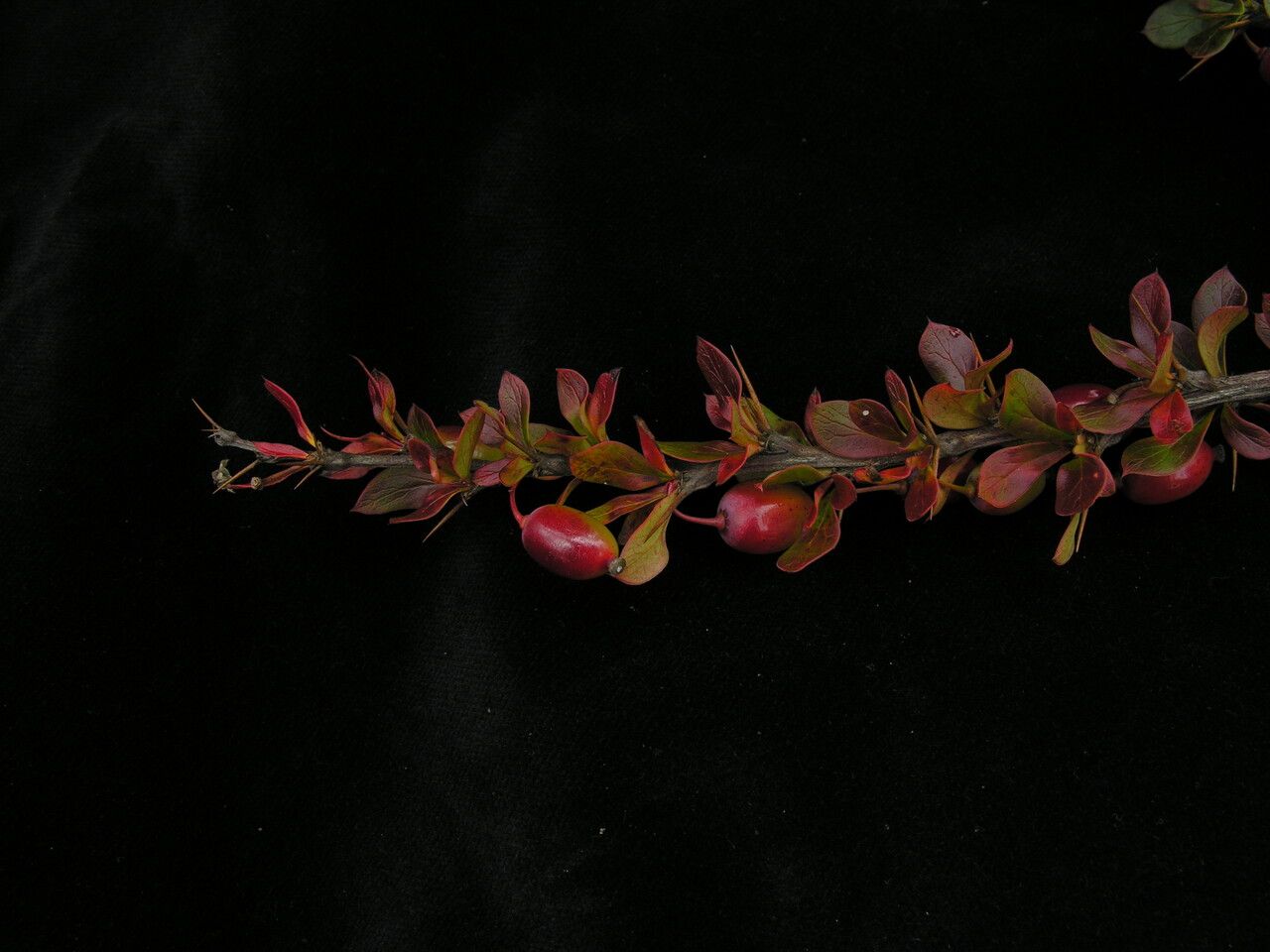
Propagating Berberis everestiana: A Journey to Cultivate the Himalayan Beauty
Berberis everestiana, commonly known as Everest barberry, is a captivating shrub prized for its compact habit, striking blue-grey foliage, and vibrant yellow flowers followed by attractive red berries. Native to the high altitudes of the Himalayas, this plant has garnered significant popularity among gardeners seeking unique and hardy additions to their landscapes. Its slow growth and relative rarity, however, present challenges for propagation, making success a particularly rewarding achievement.
Seed Germination:
Currently, there are no known reliable methods for seed germination propagation of Berberis everestiana. The seeds likely require specific and often unpredictable conditions mirroring their high-altitude, often harsh, native environment. Further research into specific stratification techniques and germination requirements is needed before seed propagation becomes a viable option.
Cuttings:
Cuttings offer a more promising method for propagating Berberis everestiana. However, success rates can be variable.
Challenges: Everest barberry can be challenging to root from cuttings due to its woody nature. The low success rate is often attributed to the difficulty in balancing moisture and preventing fungal infections.
Practical Tips: Semi-hardwood cuttings taken in late summer or early autumn generally yield the best results. These should be treated with a rooting hormone and planted in a well-draining propagation mix, ideally under humidity domes or mist propagation systems. Careful attention to moisture levels is crucial to avoid both desiccation and rot. Bottom heat can also significantly improve rooting success.
Rewards: Cuttings offer a quicker way to obtain new plants compared to other methods, preserving the desirable characteristics of the mother plant.
Division:
Division is generally not a viable option for propagating Berberis everestiana. Its compact root system and slow growth make it difficult to efficiently divide the plant without significantly damaging it and compromising its survival.
Tissue Culture:
Tissue culture presents a potentially more reliable method for large-scale propagation of Berberis everestiana.
Challenges: Establishing a successful tissue culture protocol for this species requires specialized knowledge, equipment, and sterile conditions. Finding the right balance of hormones and nutrients for optimal shoot multiplication and root development is crucial.
Practical Tips: This method necessitates a well-equipped laboratory and expertise in plant tissue culture techniques. Experimentation may be necessary to identify the ideal growth media and hormone concentrations for successful propagation.
Rewards: Tissue culture allows for the mass production of genetically identical plants, ensuring uniformity and facilitating wider availability. It also provides a pathway for disease-free propagation.
Conclusion:
Propagating Berberis everestiana presents a compelling challenge to the keen gardener. While seed germination proves unreliable currently, cuttings offer a viable (though potentially challenging) path for propagation, while tissue culture presents a solution for larger-scale production. The difficulties inherent in propagating Everest barberry only add to the satisfaction derived from successfully cultivating this beautiful plant. Persistence, attention to detail, and a willingness to experiment are key to achieving success. For aspiring propagators, patience is paramount. Don’t be disheartened by initial setbacks—the eventual success is well worth the effort and will be a testament to your horticultural dedication.