
Propagating Berberis aggregata: A Gardener’s Guide to the Clustered Barberry
Introduction:
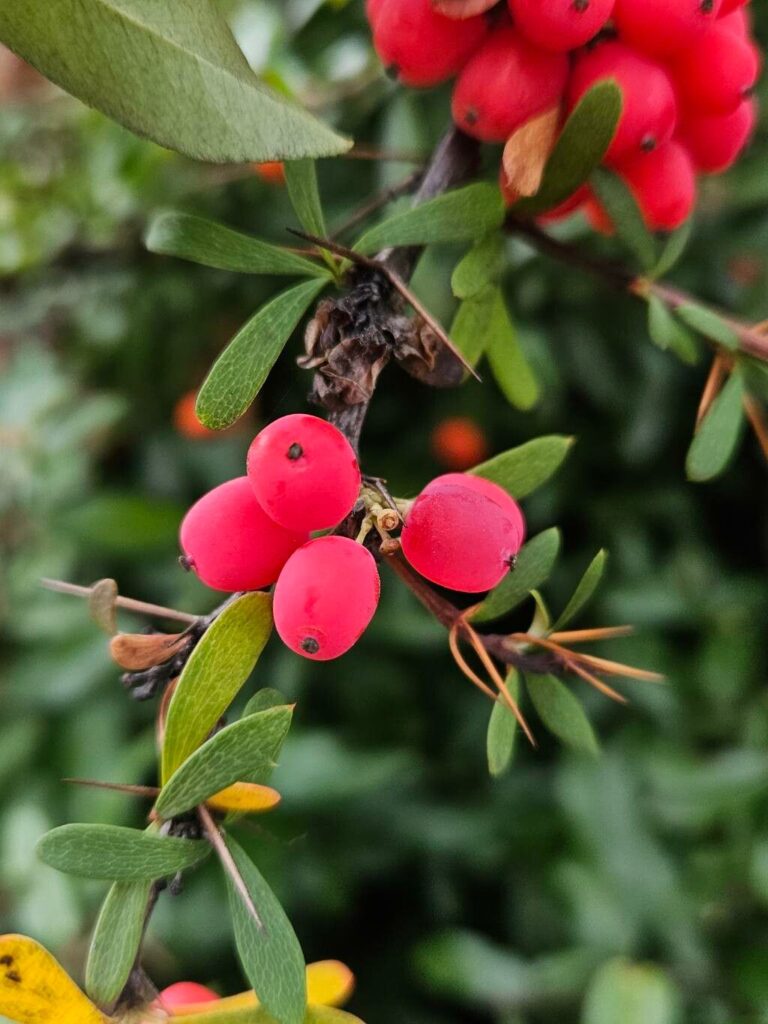
Berberis aggregata, commonly known as clustered barberry, is a captivating deciduous shrub prized for its vibrant yellow flowers in spring, followed by striking red berries in autumn. Its dense, spreading habit makes it an excellent choice for hedges, borders, or as a specimen plant. The attractive foliage, which turns fiery shades of orange and red in fall, further enhances its horticultural appeal. While relatively easy to grow, propagation of Berberis aggregata presents some unique challenges, making successful cultivation all the more rewarding. Its popularity among gardeners stems from its hardiness, adaptability, and beautiful seasonal display.
Seed Germination:
Seed germination is a viable, albeit challenging, method for propagating Berberis aggregata. The primary hurdle lies in the seed’s hard seed coat, which inhibits water uptake and germination. This necessitates stratification—a process simulating winter conditions to break dormancy.
Challenges: Low germination rates are common without stratification. Seeds may require extended cold stratification periods.
Practical Tips:
- Collection and Preparation: Harvest ripe berries in autumn and extract the seeds. Thoroughly clean and dry the seeds before stratification.
- Stratification: Mix the seeds with moist, sterile vermiculite or peat moss. Place the mixture in a sealed container and refrigerate at 3-5°C (37-41°F) for 3-4 months. Monitor moisture levels, ensuring they remain consistently damp but not soggy.
- Sowing: After stratification, sow the seeds in a well-draining seed-starting mix. Maintain consistent moisture and warmth. Germination can take several weeks to months.
Rewards: Seed propagation offers the advantage of genetic diversity, producing a wider range of plant characteristics. This method also allows the potential for large-scale propagation.
Cuttings:
Cuttings are another viable propagation method for Berberis aggregata. Hardwood cuttings, taken in late autumn or winter, are generally more successful.
Challenges: Root development can be slow, even with the use of rooting hormones. Disease issues can arise if cuttings aren’t kept adequately dry to reduce rot.
Practical Tips:
- Cutting Selection and Preparation: Use sharp, clean tools to take 10-15 cm long hardwood cuttings from mature, healthy stems. Remove lower leaves to prevent rotting.
- Rooting: Dip the cut ends in rooting hormone and plant them in a well-draining mix, such as perlite and vermiculite. Maintain consistent moisture and humidity, ideally using a propagation chamber or plastic bag to retain moisture.
- Establishment: Once roots have developed, gradually acclimatize the rooted cuttings to outdoor conditions before transplanting into the garden.
Rewards: Cuttings produce plants that are genetically identical to the parent plant, preserving desirable traits. It’s usually more reliable and faster than seed germination.
Division:
Division is a relatively easy method, best suited for established clumps.
Challenges: This method is only feasible for mature plants with well-developed root systems, limiting large-scale propagation.
Practical Tips:
- Timing: The best time for division is during the dormant season (late autumn or early spring).
- Preparation: Carefully dig up the plant, separating it into smaller sections, each with its own roots and sufficient stems.
- Planting: Replant the divisions in well-prepared soil, ensuring adequate spacing and watering.
Rewards: Division provides a quick way to increase the number of plants, especially if you have a large, established plant.
Tissue Culture:
Currently, there are no widely available or readily accessible protocols for the tissue culture propagation of Berberis aggregata. While theoretically possible, establishing a reliable tissue culture protocol would require significant research and laboratory facilities.
Conclusion:
Propagating Berberis aggregata offers a unique gardening experience. While each method presents its own challenges—from the stubborn seed coats requiring stratification to the slower rooting rates of cuttings—the rewards of cultivating this beautiful shrub are well worth the effort. Successfully propagating a plant, especially one with a few hurdles, offers a deep feeling of accomplishment and connection to the natural world. Whether you choose seed germination, cuttings, or division, patience and attention to detail are key to a successful outcome. Embrace the challenges, experiment with different techniques, and enjoy the journey of bringing these vibrant shrubs to life. Remember that even with the simplest method, success isn’t guaranteed, but the effort is worthwhile for the beauty a thriving Berberis aggregata brings to the garden.