
Propagating Berberis bealei: A Gardener’s Guide to the Beale’s Barberry
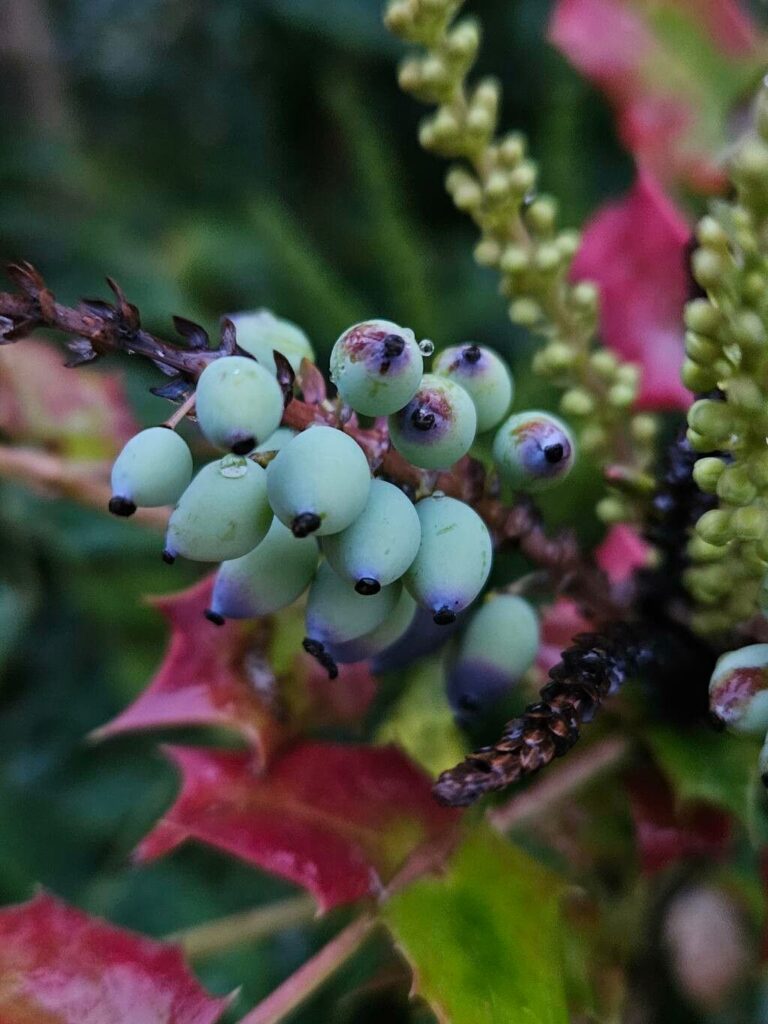
Berberis bealei, commonly known as Beale’s barberry, is a captivating deciduous shrub prized for its striking foliage and attractive berries. Its glossy, leathery leaves, often tinged with bronze or purple, provide year-round visual interest, while its clusters of yellow flowers in spring give way to showy, dark blue-black berries in the fall. This relatively low-maintenance shrub is popular among gardeners for its adaptability to various soil conditions and its ability to thrive in both sun and partial shade. However, acquiring new plants can present some unique challenges, making propagation a rewarding—though potentially tricky—endeavor.
Seed Germination:
Currently, there are no known reliable methods for seed germination propagation of Berberis bealei. While the plant produces seeds, germination rates are notoriously low and unpredictable, making this method impractical for most home gardeners. Significant research into overcoming germination dormancy would be needed before seed propagation becomes a feasible option.
Cuttings:
Propagating Berberis bealei from cuttings offers a more reliable approach than seed germination. Semi-hardwood cuttings, taken in late summer or early autumn, are generally the most successful.
-
Challenges: Rooted cuttings can be slow to establish, and success rates depend heavily on maintaining consistent humidity and warmth within a propagation environment (propagation chamber, etc.). Rot is a potential problem if cuttings are not kept in well-draining medium.
-
Tips: Take cuttings of about 4-6 inches in length, removing lower leaves to prevent rot. Dip the cut ends in a rooting hormone powder before planting them in a well-draining mix of perlite and peat moss. Maintain high humidity using a humidity dome or plastic bag. Consistent bottom heat (around 70-75°F) can also enhance rooting success.
- Rewards: Cuttings provide a quicker and more certain method of producing new plants compared to other techniques. While not guaranteeing genetic diversity, it allows for the propagation of desirable traits consistent with the parent plant.
Division:
Division of established Berberis bealei plants is a viable option, primarily for larger, well-established specimens.
-
Challenges: This method is disruptive to the parent plant and requires caution considering the plant’s root system. Successful division depends on cleanly separating the root mass to avoid damaging individual sections. Replanting must provide adequate soil, water and conditions for survival, including sufficient sun.
-
Tips: Divide the plant only during the dormant season (late winter or early spring). Use a sharp spade to divide the root ball into smaller sections, ensuring each section has enough roots and shoots. Replant each division immediately in well-prepared soil.
- Rewards: Division offers a relatively quick way to increase the number of plants compared to cuttings, preserving the genetic characteristics of the parent plant.
Tissue Culture:
Tissue culture provides the most technically advanced propagation method for Berberis bealei.
-
Challenges: This approach requires specialized equipment, sterile conditions, and a high level of technical expertise. It is generally not feasible for home gardeners.
-
Tips: This method requires laboratory setting and knowledge of plant tissue culture techniques. It frequently involves the use of plant growth regulators.
- Rewards: Tissue culture allows for large-scale propagation and the potential for disease-free stock. It is ideal for conservation efforts and commercial propagation.
Conclusion:
Propagating Berberis bealei presents varying degrees of difficulty depending on the chosen method. While seed germination is unreliable, cuttings and division offer accessible techniques for home gardeners with a little patience and attention to detail, yet tissue culture’s complexity and expense are limitations. The rewards, however, are significant: the satisfaction of successfully cultivating this beautiful shrub from a cutting or division is hard to surpass. The journey may be challenging, but the outcome – a thriving Berberis bealei propagated by your own hand – is a testament to your perseverance and horticultural skill. Don’t be discouraged by initial setbacks; consider the unique challenges intrinsic to establishing any new plant and continue to experimenting to gain experience.