
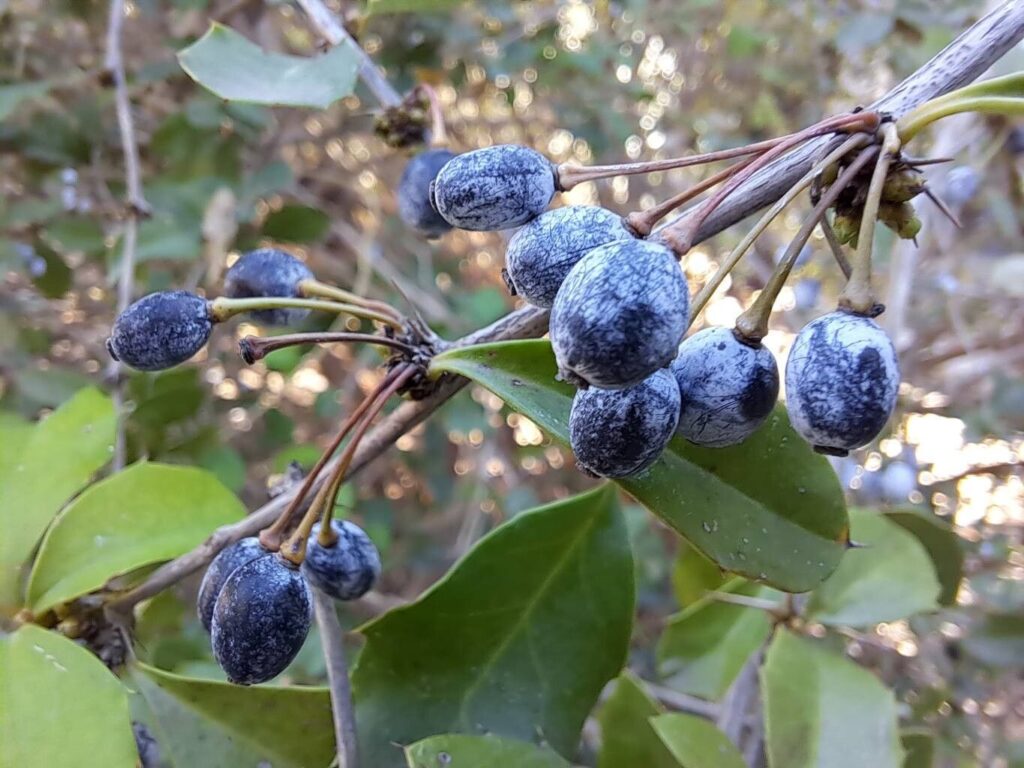
Propagating Berberis chinensis: A Gardener’s Guide to the Chinese Barberry
Berberis chinensis, commonly known as Chinese barberry, is a versatile and attractive shrub prized for its vibrant foliage, spiny branches, and attractive berries. Its adaptability to various soil types and its tolerance of drought conditions make it a popular choice amongst gardeners, both for its ornamental value and its use in creating hedges and borders. However, propagating this species can present unique challenges, as we’ll explore below. The reward for successful propagation, however, is the satisfaction of nurturing this striking plant from a cutting, seed, or division.
Seed Germination:
Currently, there are no known reliable methods for seed germination propagation of Berberis chinensis. While seeds may be produced, germination rates are notoriously low and unpredictable, making seed propagation an impractical method for most home gardeners. The hard seed coat and potential for dormancy are key contributing factors to this low success rate.
Cuttings:
Cuttings offer a more reliable method for propagating Berberis chinensis.
- Challenges: Success depends on timing and technique. Hardwood cuttings taken in late autumn or winter tend to root better than softwood cuttings. The spiny nature of the plant can also make handling difficult.
- Practical Tips: Take 10-15cm long cuttings from mature, non-flowering wood. Remove lower leaves to reduce water loss. Treat the base of the cuttings with a rooting hormone to boost success. Plant the cuttings in a well-draining propagating mix (e.g., perlite and peat moss), keeping them moist but not waterlogged. A humidity dome or propagation tray can improve rooting success. Ideal temperature is around 18-24°C.
- Rewards: Cuttings offer a relatively quick and straightforward method of producing new plants that are genetically identical to the parent plant. This is particularly advantageous if you’re propagating a particularly desirable cultivar.
Division:
Division is a straightforward method suitable only for established, larger plants of Berberis chinensis.
- Challenges: This method can be physically demanding, requiring the careful excavation and separation of the root system. Damaging the roots during division can weaken the plant and reduce its chances of survival. It’s best undertaken in early spring or fall.
- Practical Tips: Dig up the entire plant carefully, ensuring as much of the root system remains intact as possible. Use a sharp, clean spade or knife to divide the root ball into sections, each containing healthy shoots and roots. Replant the divisions immediately, ensuring good soil contact.
- Rewards: Division is a fast way to increase the number of plants, and is less labor-intensive than some propagation methods. The resulting plants are also genetic clones of their parent.
Tissue Culture:
Tissue culture offers a potentially high-yield propagation method but requires specialized equipment and technical knowledge.
- Challenges: Tissue culture requires a sterile environment, specialized media, and aseptic techniques. It’s a complex process demanding expertise and investment. Contamination is a major risk.
- Practical Tips: This is best left to nurseries and specialized labs. It involves sterilizing plant material, culturing it on nutrient agar, and then transferring the resulting plantlets to a growing medium.
- Rewards: Tissue culture allows for the mass production of clones from a small amount of starting material, ensuring genetic uniformity and rapid multiplication of desirable cultivars.
Conclusion:
Propagating Berberis chinensis presents various challenges depending on the chosen method. Seed propagation is unreliable, while cutting propagation, while more successful, requires patience and attention to detail. Division offers a quicker route for established plants, and tissue culture, though highly efficient, is not feasible for most amateur gardeners. The rewards, however, are well worth the effort for those who persevere. Successfully nurturing a new Chinese barberry plant from a cutting or even a division of an established specimen offers a unique satisfaction, a testament to the gardener’s skill and patience in overcoming the challenges that this spiny, yet beautiful shrub presents. Don’t be discouraged by initial setbacks – experiment with cuttings, taking care to follow the guidelines outlined above, and enjoy the journey of bringing new life to this stunning plant.