
Propagating Berberis fortunei: A Gardener’s Guide to the Wintergreen Barberry
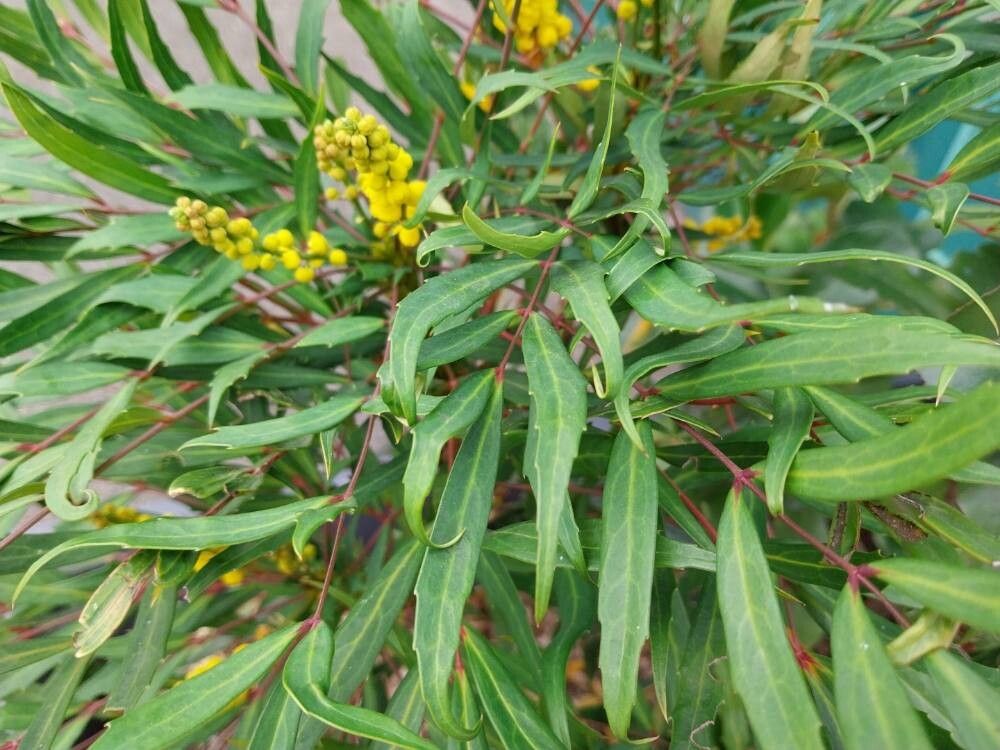
Berberis fortunei, commonly known as Wintergreen Barberry, is a popular evergreen shrub prized for its dense, compact habit, spiny foliage, and attractive, albeit small, yellow flowers followed by bluish-black berries. Its tolerance of shade and adaptability to various soil conditions contribute to its widespread use in landscaping, particularly as hedging or groundcover. While relatively easy to maintain, propagating Berberis fortunei presents some unique challenges, making successful cultivation all the more rewarding.
Seed Germination:
Currently, there are no known reliable methods for seed germination propagation of Berberis fortunei. While seeds may be produced, germination rates are extremely low, and the process is generally considered impractical for home gardeners.
Cuttings:
Cuttings offer a more reliable method for propagating Berberis fortunei.
Challenges: Root development can be slow. The success rate depends heavily on the timing, the quality of the cutting, and the conditions provided.
Practical Tips: Semi-hardwood cuttings taken in late summer or early autumn are generally most successful. Cuttings should be 4-6 inches long, taken from healthy, non-flowering stems. Remove lower leaves, dip the cut end in rooting hormone, and plant in a well-draining propagation mix (e.g., perlite and peat moss). Maintain high humidity using a humidity dome or plastic bag. Consistent moisture is crucial but avoid overwatering, which can lead to rot. Bottom heat can also significantly improve rooting success.
Rewards: Cuttings produce clones of the parent plant, preserving desirable traits. It’s a relatively straightforward technique for smaller-scale propagation.
Division:
Division is a suitable method for propagating Berberis fortunei, although best suited for established, larger plants.
Challenges: Requires careful handling to avoid damaging the root system. Larger plants are more likely needed for success. The method limits propagation capacity.
Practical Tips: The best time to divide is during the dormant season (late autumn or early spring). Dig up the entire plant carefully. Use a sharp, clean knife or spade to divide the root ball into smaller sections, ensuring each division has a sufficient number of healthy roots and stems. Replant divisions immediately in well-prepared soil.
Rewards: Provides a quick and efficient way to increase the number of plants, particularly useful when dealing with already established shrubs.
Tissue Culture:
Tissue culture is a viable, albeit more specialized, method for propagating Berberis fortunei.
Challenges: Requires specialized equipment, sterile conditions, and a good understanding of plant tissue culture techniques. It’s generally not feasible for home gardeners.
Practical Tips: Sterile techniques are essential to prevent contamination. Explants (small pieces of plant tissue) are cultured on a nutrient-rich agar medium. Once sufficient growth is achieved, plantlets are transferred to a rooting medium before being potted individually.
Rewards: Allows for large-scale propagation of disease-free plants and maintaining genetic uniformity.
Conclusion:
Propagating Berberis fortunei presents unique challenges across all methods. Seed propagation is essentially impractical. Cuttings offer a reasonably reliable approach for smaller-scale propagation requiring patience and attention to detail. Division is suited for established plants offering a more rapid increase in the number of plants. Tissue culture is the pathway for large-scale and uniform propagation but necessitates specialized knowledge and equipment. The rewards, however, are well worth the effort. The feeling of successfully nurturing a cutting from a small snippet of stem to a thriving shrub is remarkably satisfying. Learning to master any of these methods demonstrates horticultural skill and provides a tangible link to the natural cycle of plant life. Remember to choose the method that best suits your skills and resources, and don’t be discouraged by initial setbacks – patience and persistence are key to success with Berberis fortunei propagation.