
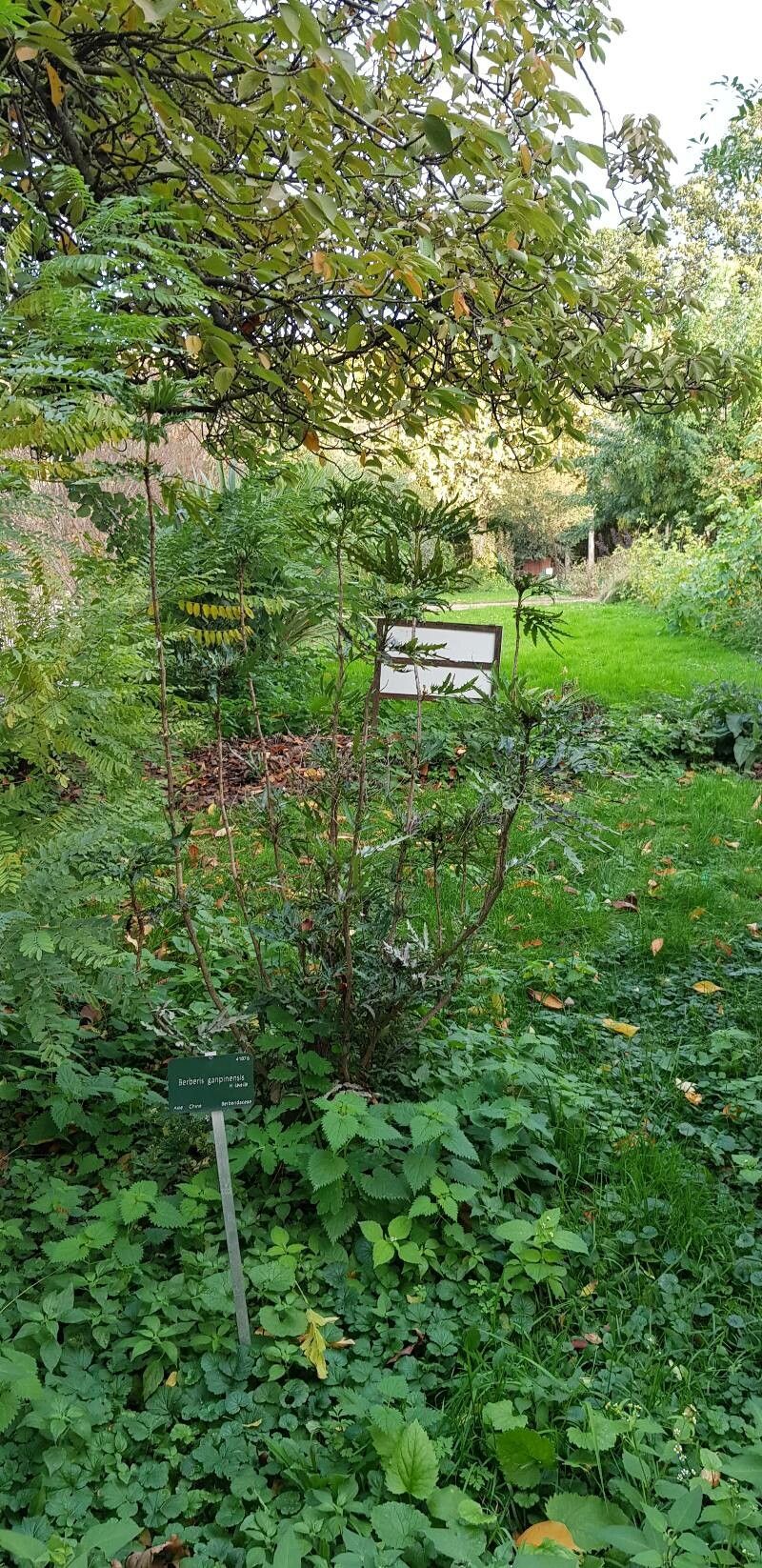
Propagating Berberis ganpinensis: A Gardener’s Guide to the Purple Leaf Barberry
Berberis ganpinensis, commonly known as the Purple Leaf Barberry or sometimes the Chinese Barberry, is a prized shrub admired for its striking, deep purple foliage, arching branches, and vibrant yellow flowers followed by attractive berries. Its compact habit makes it ideal for borders, hedges, or as a specimen plant, contributing to its enduring popularity among gardeners. However, propagation can present some unique challenges. This article explores four common methods to help you successfully cultivate this beautiful shrub.
Seed Germination:
Currently, there are no known reliable methods for seed germination propagation of Berberis ganpinensis. While seeds are produced, germination rates are notoriously low, and the process is often unpredictable, making it impractical for most gardeners. Further research into specific pretreatment techniques may be necessary to improve germination success.
Cuttings:
Cuttings offer a more viable method for propagating Berberis ganpinensis.
Challenges: Rooting can be slow and inconsistent, particularly if not undertaken at the optimal time. The success rate depends heavily on the age and health of the parent plant, as well as the environmental conditions.
Tips: Semi-hardwood cuttings taken in late summer or early autumn generally yield the best results. Use a sharp knife or shears to take 4-6 inch cuttings, removing lower leaves to prevent rotting. Dip the cut ends in rooting hormone to encourage root development. Plant the cuttings in a well-draining propagation mix, maintaining consistent moisture but avoiding waterlogging. A humidity dome or misting system can significantly improve success rates. Keep the cuttings in a shaded area with indirect sunlight.
Rewards: This method allows for relatively quick propagation of genetically identical plants, preserving desirable traits from the parent plant. It is suitable for smaller-scale propagation to meet individual gardening needs.
Division:
Division is a possible method, but it’s only feasible with mature, well-established plants.
Challenges: Damaging the root system during division can severely stress or even kill the plant. It is not suitable for large-scale propagation.
Tips: Division should be performed in early spring or autumn when the plant is dormant. Carefully dig up the entire plant and gently separate it into smaller sections, ensuring each division has a good root system and sufficient foliage. Replant the divisions immediately, ensuring that they are well-watered and protected from direct sunlight until established.
Rewards: This method allows for a faster way to increase the number of plants when compared to cuttings. However, is less effective for propagating a large number of plants compared to other methods, especially tissue culture.
Tissue Culture:
Tissue culture presents the most promising method for large-scale propagation of Berberis ganpinensis.
Challenges: Tissue culture requires specialized equipment, sterile conditions, and a thorough understanding of plant tissue culture techniques. It is not a beginner-friendly process and usually requires laboratory facilities and expertise.
Tips: Using nodal segments or shoot tips as explants, in a medium containing appropriate plant growth regulators, will likely yield the best results. Maintaining sterile conditions throughout the whole process is critical.
Rewards: This method ensures highly efficient and rapid propagation of large numbers of genetically uniform plants, ideal for commercial nurseries or large landscaping projects.
Conclusion:
Successfully propagating Berberis ganpinensis presents unique challenges depending on the chosen method. While seed germination is unreliable, cuttings offer a practical approach for smaller-scale propagation, requiring patience and attention to detail. Division works only for mature plants and is limited in scope. Tissue culture offers the highest potential for large-scale propagation, but requires specialized knowledge and resources. The rewards of nurturing this beautiful shrub from propagation, however, are well worth the effort; the satisfaction of watching a small cutting or division thrive into a vibrant, purple-leaved plant is deeply rewarding. Don’t be discouraged by initial setbacks, experiment with the methods that suit your capabilities and enjoy the journey.