
Propagating Berberis × neubertii: A Gardener’s Guide to the ‘Neuberti Barberry’
Introduction:
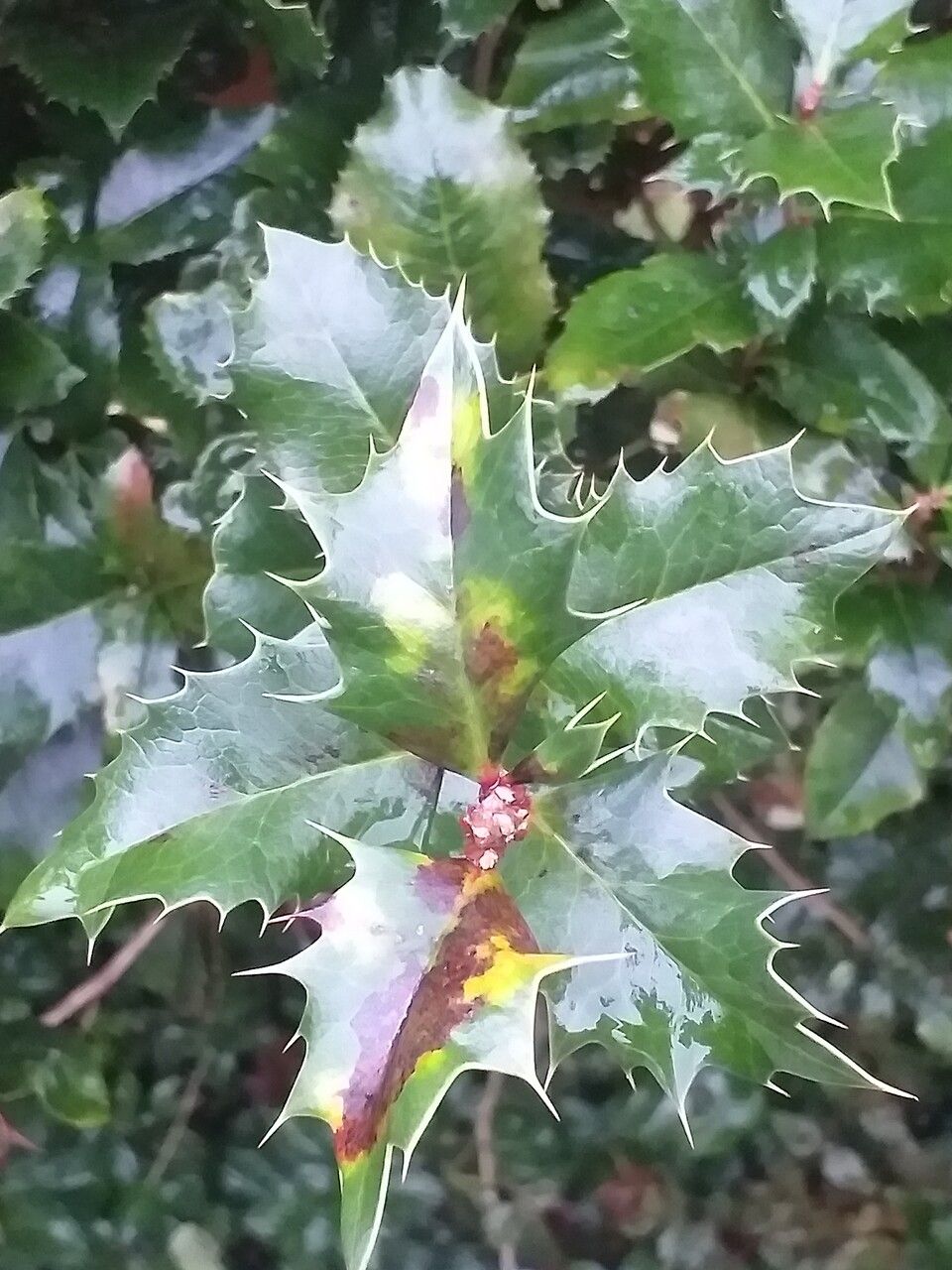
Berberis × neubertii, commonly known as the Neuberti barberry, is a popular hybrid evergreen shrub prized for its striking foliage and attractive, often pendulous, branching habit. Its dark, glossy leaves, often tinged with reddish hues, provide year-round interest, while its relatively small size makes it suitable for a variety of garden settings. Its resilience and adaptability have contributed to its widespread popularity among gardeners, but propagating this hybrid can present certain challenges. Its hybrid nature, a cross between Berberis darwini and Berberis empetrifolia, impacts its propagation methods, making some more successful than others.
Seed Germination:
Currently, there are no known reliable methods for seed germination propagation of Berberis × neubertii. The hybrid nature of the plant often results in sterility, meaning viable seeds are rarely produced. Even if seeds are obtained, germination rates are extremely low, even with stratification (a cold treatment mimicking winter conditions). Attempting seed propagation is therefore not recommended.
Cuttings:
Cuttings represent a more viable propagation method for Berberis × neubertii.
Challenges: Rooting can be slow and inconsistent, significantly impacted by the timing and technique employed.
Practical Tips: Semi-hardwood cuttings taken in late summer or early autumn offer the best success rate. Use a sharp knife or shears to take 4-6 inch cuttings, removing lower leaves to prevent rotting. Dip the cuttings in rooting hormone before planting in a well-drained, moist propagation mix (e.g., perlite and peat moss). Maintaining high humidity (e.g., using a propagator or plastic bag) is crucial. Bottom heat can also improve rooting success.
Rewards: Cuttings provide a reliable method to clone the parent plant, preserving its desirable characteristics. This method is particularly useful for smaller-scale propagation.
Division:
Division is a relatively straightforward method for propagating Berberis × neubertii, but it’s limited by the plant’s size and established root system.
Challenges: This method is only effective with mature plants possessing sufficiently developed root systems. Dividing a plant too early can severely weaken or even kill it.
Practical Tips: Division is best undertaken in early spring or autumn. Carefully dig up the mature plant and gently separate sections with a sharp spade or knife, ensuring each division has a healthy root system and sufficient stems. Replant the divided sections immediately in well-prepared soil.
Rewards: Division allows for quick multiplication of a proven, established plant.
Tissue Culture:
Tissue culture offers the potential for large-scale propagation of Berberis × neubertii, although it requires specialized equipment and expertise.
Challenges: Establishing a sterile culture and consistently replicating growth from cultured cells can be complex and require meticulous attention to detail. It also requires specialized equipment and aseptic techniques.
Practical Tips: This method is typically best left to specialist nurseries or laboratories due to the technical skills and equipment needed.
Rewards: Tissue culture allows for mass production of identical plants, ensuring consistent quality and facilitating large-scale planting projects.
Conclusion:
Propagating Berberis × neubertii presents varying degrees of difficulty depending on the chosen method. While seed propagation is unreliable, cuttings offer a relatively achievable method for home gardeners. Division provides a viable option for established plants, and tissue culture provides a path to large-scale production, but this requires specialized knowledge and resources. The satisfaction of successfully propagating this beautiful shrub, particularly through challenging methods like cuttings, is rewarding, knowing you’ve contributed to the continued growth and beauty of this popular plant. Don’t be discouraged by initial setbacks; persistent effort, attention to detail, and a little patience will ultimately bear fruit (pun intended!).