
Propagating Berberis comberi: A Gardener’s Guide to the Elegant Barberry
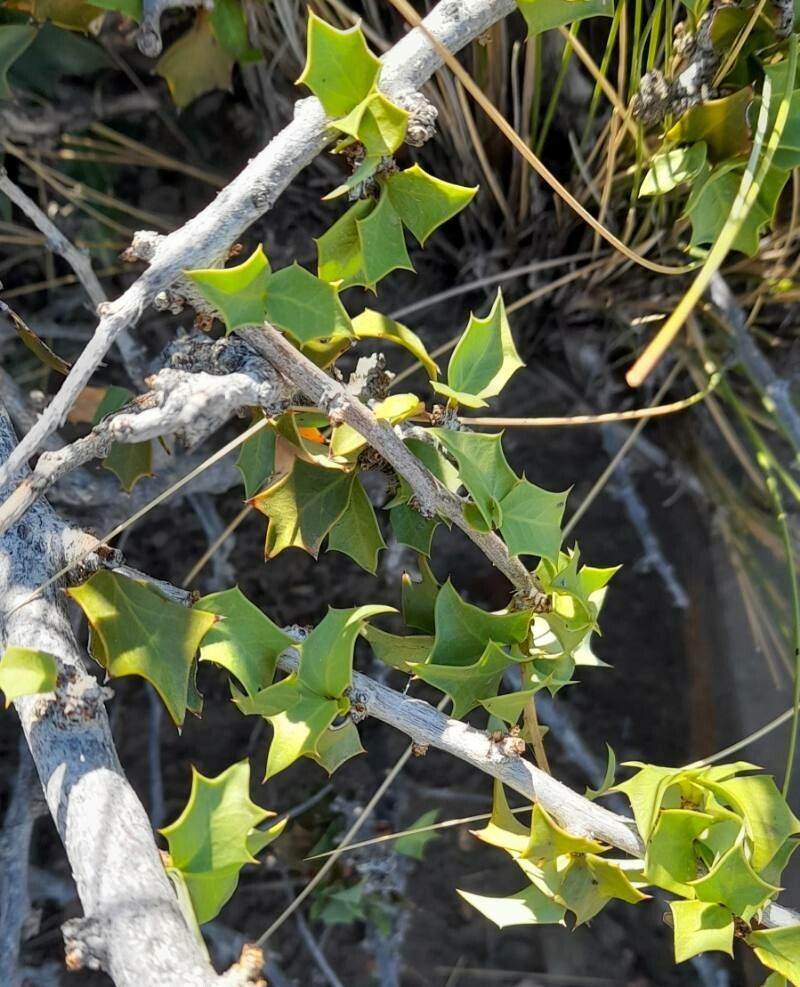
Berberis comberi, often called the Comber Barberry, is a prized shrub valued for its elegant, arching branches adorned with small, spiny leaves and vibrant yellow flowers followed by attractive berries. This relatively compact barberry variety boasts exceptional ornamental qualities, making it a popular choice for landscaping and borders where a touch of controlled formality is desired. Its propagation, however, presents unique challenges, requiring patience and a nuanced approach.
Seed Germination:
Currently, there are no known reliable methods for seed germination propagation of Berberis comberi. While some Berberis species readily germinate from seed, Berberis comberi appears to exhibit significantly reduced germination rates, likely due to dormancy mechanisms and potential seed viability issues. Further research into specific stratification techniques might prove beneficial, but currently, seed propagation is not a practical method.
Cuttings:
Cuttings offer a more reliable method for propagating Berberis comberi.
Challenges: Root development can be slow and inconsistent. The success rate depends heavily on timing, the use of rooting hormone, and maintaining optimal humidity and temperature. Hardwood cuttings tend to be less successful than semi-hardwood or softwood cuttings.
Practical Tips: Take semi-hardwood cuttings in late summer or early autumn from non-flowering shoots. Use a sharp, clean knife or shears to prevent the spread of disease. Dip the base of the cuttings in a rooting hormone solution and plant them in a well-draining propagating mix, such as a blend of perlite and peat moss. Maintain high humidity using a humidity dome or regular misting. Bottom heat can significantly improve rooting success.
- Rewards: Cuttings provide a relatively quick way to obtain genetically identical plants, preserving desirable traits of the parent plant. This method is suitable for smaller-scale propagation and offers high success rates with appropriate technique.
Division:
Division is generally not feasible for Berberis comberi. The plant’s root system is not easily separated into viable portions without causing significant damage to the parent plant. Attempting division risks harming the mature shrub and reducing its chances of survival.
Tissue Culture:
Tissue culture, while a technically advanced method requiring specialized equipment and skills, presents a potential avenue for rapid and large-scale propagation of Berberis comberi.
Challenges: Establishing a sterile environment and mastering the specific nutrient requirements for Berberis comberi tissue culture can be challenging and expensive. It requires significant expertise and is best left to specialized nurseries or research facilities.
Practical Tips: This method requires specialized training and laboratory facilities. It involves sterilizing plant material, culturing it on a growth medium, and then gradually acclimating the resulting plantlets to greenhouse conditions.
- Rewards: Tissue culture offers the possibility of mass production of genetically identical plants, disease-free stock, and the potential to preserve rare or endangered cultivars.
Conclusion:
Propagating Berberis comberi presents a unique set of hurdles, with cuttings representing the most practical approach for most home gardeners. While seed germination and division are currently not viable options, the potential of tissue culture remains an avenue for large-scale cultivation. The rewards, however, outweigh the challenges. The satisfaction derived from successfully nurturing a cutting into a mature, flowering Berberis comberi is immense, particularly given the elegance and beauty this barberry brings to the garden. Aspiring propagators should focus on mastering the art of semi-hardwood cuttings, ensuring proper sanitation, optimal moisture levels and patient nurturing. The sight of a thriving Comber Barberry is testament to a gardener’s dedication and expertise.