
Propagating Berberis eurybracteata: A Gardener’s Guide
Introduction
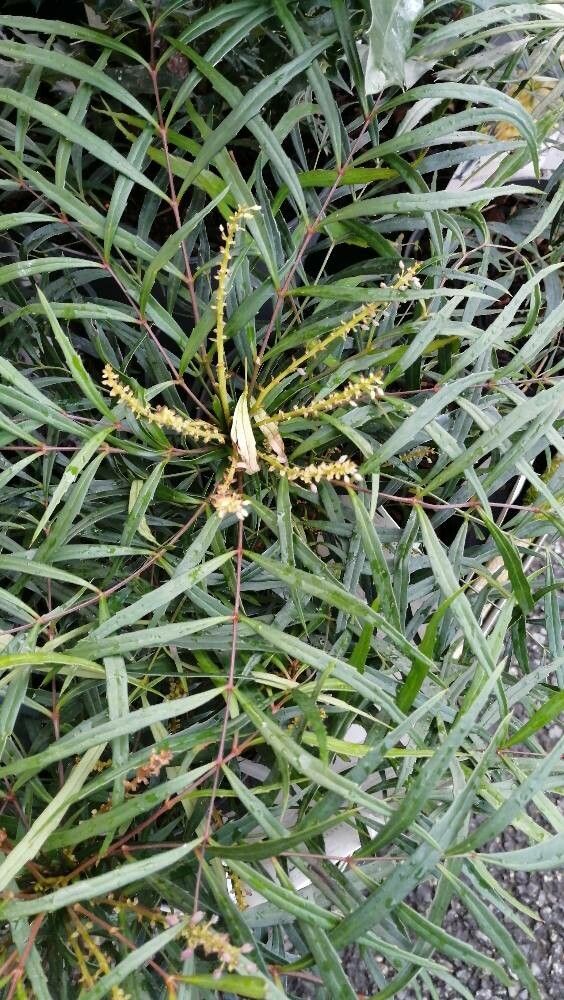
Berberis eurybracteata, commonly known as the broad-bracted barberry, is a captivating shrub prized for its striking foliage and vibrant yellow flowers. Its arching branches, adorned with spiny leaves and followed by attractive berries, make it a popular choice for landscaping, providing both visual interest and a natural barrier. While relatively easy to maintain once established, propagating Berberis eurybracteata presents unique challenges, making successful cultivation all the more rewarding. This guide explores various propagation methods, highlighting their viability and providing practical advice.
Seed Germination:
Currently, there are no known reliable methods for seed germination propagation of Berberis eurybracteata. While seeds may be produced, germination rates are extremely low, and the process is often unreliable, making this method impractical for most gardeners.
Cuttings:
Cuttings offer a more reliable method for propagating Berberis eurybracteata.
Challenges: Success with cuttings depends on timing and technique. Hardwood cuttings taken in late autumn or early winter, or semi-hardwood cuttings in summer, have shown some promise. However, rooting can be slow, often requiring several months and a high humidity environment.
Practical Tips:
- Timing: Take cuttings from mature but not overly woody growth. Semi-hardwood cuttings taken in summer, or hardwood cuttings taken in late autumn/early winter offer the best chances of success.
- Preparation: Use a sharp knife or secateurs to make clean cuts, ensuring each cutting is 4-6 inches long and includes several nodes. Remove lower leaves to prevent rotting.
- Hormones: Dip the base of the cuttings in a rooting hormone powder to stimulate root development.
- Planting: Plant cuttings in a well-draining propagation mix (e.g., a mix of peat moss and perlite). Maintain high humidity using a propagator or covering the cuttings with a clear plastic bag. Place in a warm, bright location (but avoid direct sunlight).
- Maintenance: Keep the propagation mix consistently moist but not waterlogged. Regular misting helps maintain humidity.
Rewards: Cuttings provide a faster and more reliable way to obtain plants true to the parent plant’s characteristics compared to seed propagation.
Division:
Division is generally not a practical method for propagating Berberis eurybracteata. This shrub typically does not have readily separable root systems suitable for division. Attempts to force division may result in plant damage and reduced survivability.
Tissue Culture:
Tissue culture, while potentially offering a highly efficient large-scale propagation method, is a complex and specialized technique requiring aseptic conditions, specialized media, and trained personnel. It is generally not practical for home gardeners.
Challenges: Requires specialized equipment, sterile conditions, and technical expertise.
Practical Tips: This is not a method for home propagation.
Rewards: Tissue culture potentially offers the highest propagation rate and the ability to produce many genetically identical plants quickly. However, the high startup costs and specialized knowledge make it unsuitable for most hobbyists.
Conclusion:
Propagating Berberis eurybracteata presents various challenges, with cuttings offering the most realistic approach for the average gardener. While seed germination and tissue culture are not practical options for home enthusiasts, the reward of successfully cultivating this visually stunning shrub from a cutting, after overcoming the hurdles involved, makes the endeavor profoundly satisfying. Remember patience and persistence are key, and don’t be discouraged by initial setbacks. The beauty of your propagated broad-bracted barberry will more than make up for the effort.