
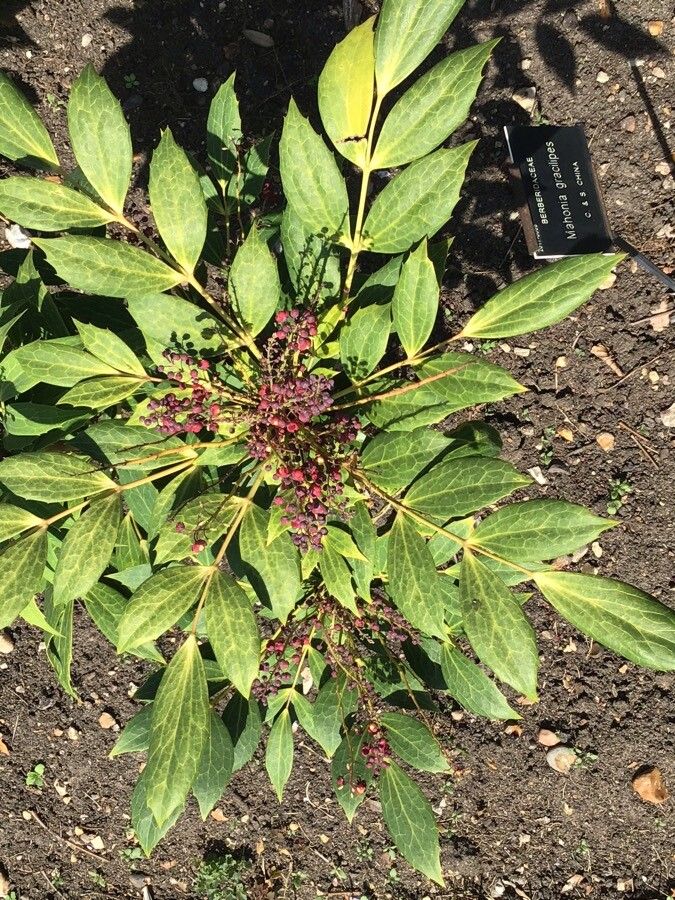
Propagating Berberis gracilipes: A Gardener’s Guide to the Slender Barberry
Introduction
Berberis gracilipes, commonly known as the slender barberry, is a captivating shrub prized for its delicate, arching branches adorned with small, spiny leaves and vibrant yellow flowers followed by attractive berries. Its graceful form and relatively compact size make it a favourite amongst gardeners seeking an elegant addition to borders, rock gardens, or even as a specimen plant. While relatively easy to maintain once established, propagating Berberis gracilipes can present unique challenges, making successful cultivation all the more rewarding. This guide explores various propagation methods, weighing their viability and highlighting their respective advantages and drawbacks.
Seed Germination
Seed germination for Berberis gracilipes is possible but presents significant challenges. The seeds possess a hard seed coat, which inhibits water uptake and germination. This necessitates a period of stratification – mimicking the natural winter conditions the seeds would experience in their native habitat.
Challenges: Low germination rates are common even with stratification. Seed dormancy can be prolonged, sometimes requiring several months or even a year before germination occurs.
Tips: Stratification is crucial. Mix seeds with moist perlite or vermiculite and store them in a refrigerator (3-5°C) for 6-8 weeks before sowing. Sow seeds in a well-draining seed-starting mix, keeping the medium consistently moist but not waterlogged. Warm temperatures (around 20°C) improve germination rates. Ensure adequate light.
Rewards: Seed propagation offers the potential for increased genetic diversity within your Berberis gracilipes population and enables large-scale propagation if successful.
Cuttings
Propagating Berberis gracilipes from semi-hardwood cuttings is a more reliable method compared to seed propagation.
Challenges: While generally successful, rooting may be slow. Use of rooting hormones is recommended to improve success rates. Maintaining consistent moisture and humidity levels during rooting is critical.
Tips: Take cuttings in late summer or early autumn from non-flowering shoots. Remove lower leaves to prevent rotting. Treat the cut ends with a rooting hormone powder. Plant cuttings in a well-draining propagation mix and cover with a clear plastic dome to maintain humidity. Bottom heat can significantly improve rooting.
Rewards: Cuttings produce plants that are genetically identical to the parent plant, preserving desirable characteristics. This method is faster and offers higher success rates than seed propagation.
Division
Division is a viable propagation method for Berberis gracilipes, particularly when dealing with established plants.
Challenges: It can be detrimental to the mother plant if not done carefully. Larger, well-established plants are best suited for division.
Tips: Divide the plant in spring or autumn when the soil is workable. Ensure each division possesses adequate roots and sufficient above-ground growth. Plant the divisions promptly in well-prepared soil. Water thoroughly after planting.
Rewards: Division offers a quick and relatively easy way to increase the number of plants. Plants resulting from division establish readily.
Tissue Culture
Tissue culture propagation of Berberis gracilipes is possible, often used for mass production in nurseries.
Challenges: This method requires specialized equipment, a sterile environment, and expertise in plant tissue culture techniques. It is not a practical method for the average home gardener.
Tips: This method is best left to professional nurseries or research facilities.
Rewards: Tissue culture allows for rapid and large-scale multiplication of plants, resulting in genetically uniform plants. It’s also ideal for virus elimination and the efficient propagation of difficult-to-propagate species.
Conclusion
Propagating Berberis gracilipes can be challenging, albeit ultimately rewarding. While seed germination presents difficulties due to dormancy and low germination rates, cuttings offer a more reliable path for the average gardener. Division provides a straightforward method for established plants. Tissue culture warrants consideration for mass production, albeit not for at-home endeavors. The satisfaction of nurturing a tiny cutting into a thriving, elegant Berberis gracilipes, particularly when success is far from guaranteed, is a unique gardening accomplishment, a testament to patience and horticultural skills. Don’t be discouraged by initial setbacks; the perseverance will be handsomely rewarded. Remember to choose the propagation method most suited to your resources and experience, and embrace the learning curve.