
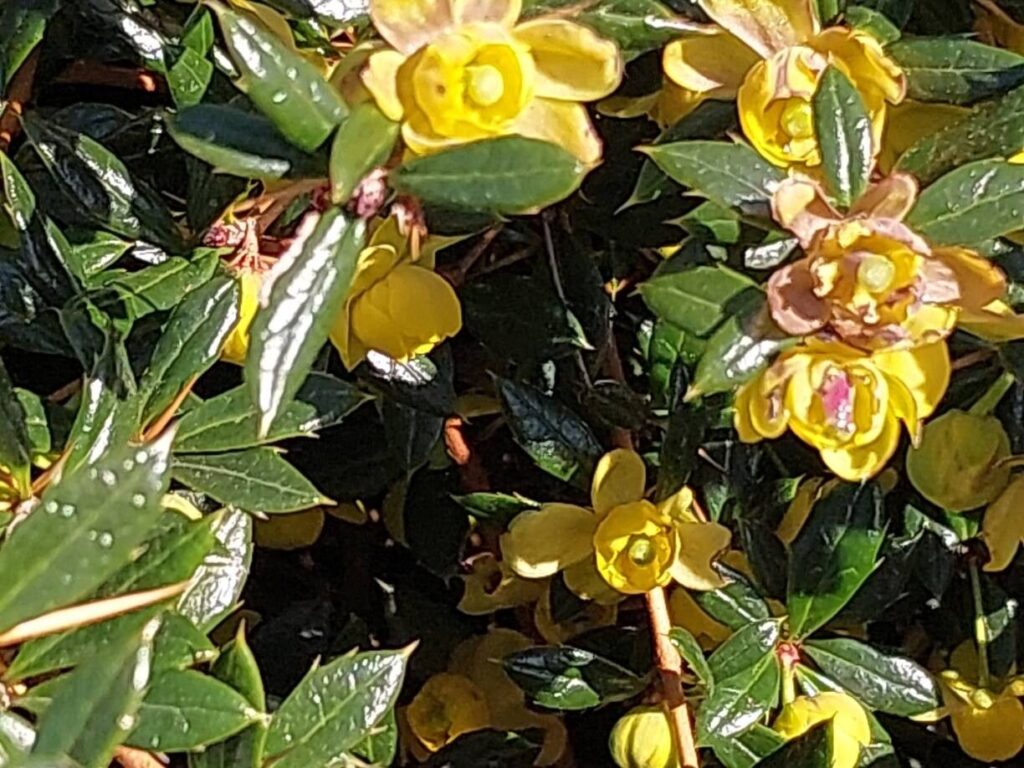
Propagating Berberis × frikartii: A Gardener’s Guide to the ‘Telstar’ Barberry
Berberis × frikartii, commonly known as ‘Telstar’ barberry, is a popular evergreen shrub prized for its striking foliage and profuse, bright yellow flowers. Its dense, compact habit and relatively low maintenance requirements make it a favorite among gardeners for hedges, borders, or as a specimen plant. However, propagating this hybrid barberry presents unique challenges, making successful propagation a rewarding accomplishment. This article explores various methods, detailing their efficacy and offering practical advice.
Seed Germination:
Currently, there are no known reliable methods for seed germination propagation of Berberis × frikartii. As a hybrid, its seeds often exhibit low viability or produce offspring that vary significantly from the parent plant, lacking the desirable ‘Telstar’ characteristics. Attempts at stratification (a period of cold, moist storage) have yielded inconsistent results. Therefore, seed propagation is generally not recommended for this cultivar.
Cuttings:
Cuttings are the most practical and widely employed method for propagating Berberis × frikartii. However, success hinges on meticulous technique and attention to detail.
Challenges: Rooting can be slow and inconsistent. The woody nature of the stems requires careful preparation to facilitate root formation.
Practical Tips: Hardwood cuttings, taken in late autumn or winter from mature wood, are generally preferred. Cuttings approximately 10-15cm long should be taken, with a clean cut at the base and a slightly angled cut at the top. The lower leaves should be removed to minimize water loss. Treatment with a rooting hormone significantly increases success rates. Planting in a well-draining propagation mix, kept consistently moist but not waterlogged, is crucial. High humidity, often achieved using a propagator or plastic covering, promotes rooting.
Rewards: Cuttings produce plants that are genetically identical to the mother plant, ensuring the desirable ‘Telstar’ characteristics are maintained. This method is well-suited for smaller-scale propagation by home gardeners.
Division:
Division is rarely used for propagating Berberis × frikartii due to its compact, single-stemmed growth habit. While larger, established plants could theoretically be divided, this is likely to damage the plant and reduce the chances of successful re-establishment for each division.
Tissue Culture:
Tissue culture provides the most reliable method for large-scale propagation of Berberis × frikartii, ensuring uniformity and rapid multiplication. However, this technique requires specialized equipment, laboratory facilities, and expertise in plant tissue culture protocols.
Challenges: The high initial cost and specialized knowledge required make tissue culture unsuitable for home gardeners. Sterile conditions are essential to prevent contamination.
Practical Tips: This process typically involves the establishment of cultures from small shoot or leaf explants on a nutrient-rich agar medium. Appropriate plant hormones are used to stimulate shoot and root development. Subculturing is then performed to multiply the plantlets.
Rewards: Rapid and efficient propagation of large numbers of genetically identical plants is possible. This is ideal for commercial nurseries or research purposes.
Conclusion:
Propagating Berberis × frikartii presents distinct challenges depending on the method employed. While seed propagation is unreliable, cuttings offer a practical approach for home gardeners, though patience and meticulous technique are required. Division is generally not recommended, and tissue culture remains the most efficient but least accessible method.
Successfully propagating ‘Telstar’ barberry, particularly through cuttings, is deeply satisfying. Overcoming the challenges and witnessing the emergence of new plants from a small cutting is a testament to the gardener’s skill and patience. Don’t be discouraged by initial setbacks; persevere with your chosen method, and the reward of a thriving ‘Telstar’ barberry will surely be worth the effort. Remember always to provide optimal conditions for rooting and establishment; a well-draining medium, consistent moisture, and protection from extreme weather are essential to success.