
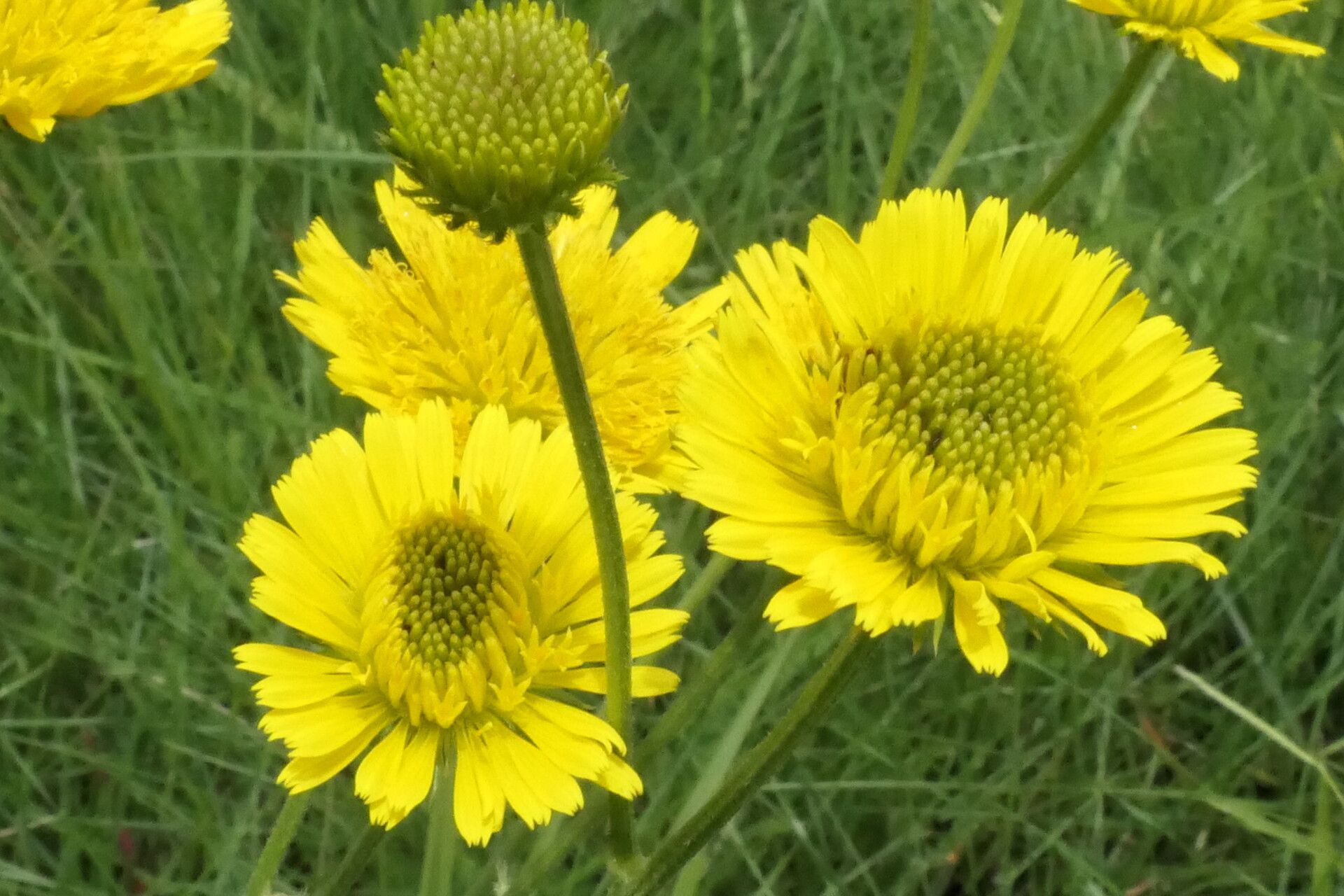
Propagating the Spiny Berkheya: A Gardener’s Guide to Berkheya setifera
Introduction
Berkheya setifera, commonly known as the Spiny Berkheya, is a captivating South African native boasting striking, thistle-like flowers of vibrant orange-reddish hues. Its spiny foliage and robust growth habit make it a popular choice amongst gardeners seeking a bold statement plant for borders, rock gardens, or even containers. Its relatively drought-tolerant nature adds to its horticultural appeal. However, propagation presents some unique challenges, making successful cultivation all the more rewarding.
Seed Germination:
Currently, there are no known reliable methods for seed germination propagation of Berkheya setifera. While seeds may be produced, their germination rate is reportedly extremely low and unpredictable, making this method impractical for the average gardener.
Cuttings:
Challenges: Rooting herbaceous cuttings of Berkheya setifera can prove difficult. The plant’s somewhat woody stem structure doesn’t easily form roots. Success rates are often low if proper techniques aren’t followed.
Practical Tips: The best time for taking cuttings is during the spring or early summer when new growth is vigorous. Take semi-hardwood cuttings, approximately 10-15cm long, from the tips of healthy stems. Remove lower leaves to prevent rot and dip the cut ends in a rooting hormone powder. Plant cuttings in a well-draining, sterile propagation mix (e.g., a mix of perlite and peat moss) and keep them moist but not waterlogged under a humid environment (e.g., a propagator with high humidity). Using bottom heat can significantly increase rooting success.
Rewards: Successfully rooted cuttings allow for the propagation of a genetically identical plant to the mother plant. This ensures you maintain desirable characteristics like flower colour and plant form. This is a relatively quicker method than division.
Division:
Challenges: Berkheya setifera forms a clumping habit, making division a potentially viable option. However, mature plants are often deeply rooted, making careful excavation necessary to avoid damaging the roots. Improper division can weaken or even kill both the mother plant and the offshoots.
Practical Tips: The best time to divide Berkheya setifera is in spring or early autumn when the plant is actively growing but not under intense heat stress. Dig up the entire clump carefully, gently separating the crowns into smaller sections, ensuring each section has healthy roots and several growing points. Replant the divisions immediately in well-prepared soil, ensuring adequate spacing for future growth. Water gently after planting.
Rewards: Division results in multiple plants from a single parent, representing a relatively quick and efficient method for expanding your collection compared to cuttings. However, this method is limited by the size of the mother plant.
Tissue Culture:
Challenges: Tissue culture propagation is a complex technique requiring specialized equipment, sterile conditions, and a skilled hand. It’s generally not a feasible method for home gardeners. The establishment of sterile cultures and the optimal hormone balance for shoot multiplication and root induction represent major hurdles.
Practical Tips: This method is unsuitable for the average gardener and requires extensive training and specialized laboratory facilities.
Rewards: Though demanding, tissue culture offers the potential for large-scale propagation and the elimination of pathogens, generating disease-free plants.
Conclusion:
Propagating Berkheya setifera presents varying levels of difficulty, with cuttings and division showing the most promise for the average gardener. While seed propagation is unreliable and tissue culture requires specialized skills, mastering the art of taking cuttings or dividing established plants offers a unique sense of accomplishment. The effort involved is rewarded by the vibrant beauty of these spiny beauties flourishing in your garden, a testament to your horticultural dedication. Don’t be discouraged by initial setbacks; persevere, learn from your experiences, and enjoy the satisfaction of cultivating this remarkable plant.