
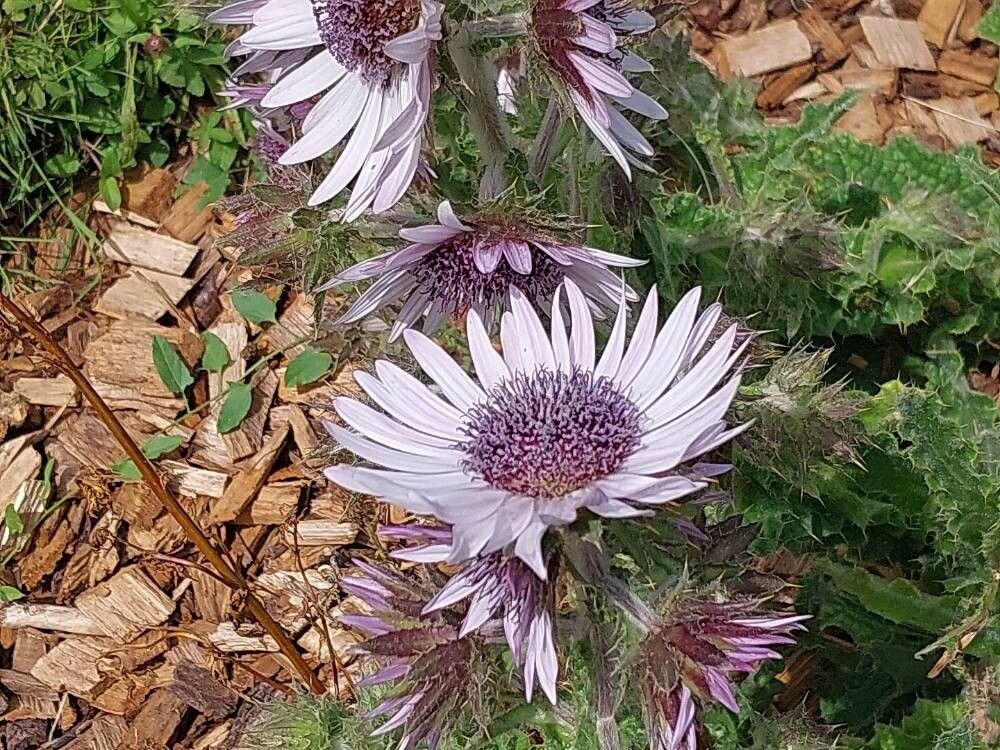
Propagating Berkheya purpurea: A Gardener’s Guide to the Purple Berkheya
Berkheya purpurea, commonly known as the Purple Berkheya, is a striking South African native boasting vibrant purple, thistle-like flowers and attractive, spiny foliage. Its bold appearance and relatively low maintenance requirements have made it a popular choice among gardeners seeking a touch of exotic flair. However, propagating this stunning plant can present unique challenges. This article explores various propagation methods, weighing their respective successes and difficulties.
Seed Germination:
Currently, there are no known reliable methods for seed germination propagation of Berkheya purpurea. While seed production occurs, germination rates are notoriously low, even under optimal conditions. The reasons for this remain largely unstudied, but factors such as dormancy mechanisms and specific environmental needs might be at play. Further research is needed to determine if specialized techniques (like pre-treatment with gibberellic acid or specific stratification periods) can improve germination rates.
Cuttings:
Cuttings offer a more reliable method for propagating Berkheya purpurea.
Challenges: The success rate heavily depends on the timing and technique. Hardwood cuttings taken from mature stems in late winter or early spring are generally preferred.
Practical Tips: Use sharp, sterile tools to take 4-6 inch cuttings below a node. Remove lower leaves to reduce water loss, and dip the cut ends in rooting hormone before planting in a well-draining, moist propagation mix (e.g., a mix of perlite and peat moss). Keep the cuttings consistently moist but not soggy and provide bottom heat if possible. Misting regularly can also help maintain humidity. Rooting typically takes several weeks to months.
Rewards: Cuttings provide a faster way to generate new plants compared to other methods and maintain the exact genetic characteristics of the mother plant.
Division:
Division is a feasible propagation technique for established Berkheya purpurea plants.
Challenges: This method is only suitable for mature plants with well-developed root systems and can stress the mother plant if not done carefully. Late winter or early spring is the ideal time for division, allowing new plants enough time to establish themselves before the hotter months.
Practical Tips: Gently dig up the mother plant, carefully separating the root ball into individual crowns using sharp, clean tools. Ensure each division has sufficient roots and foliage. Plant the divisions in well-prepared, fertile soil, providing ample space for growth. Water thoroughly after planting.
Rewards: Division is relatively straightforward and can rapidly increase the number of plants without introducing genetic variability.
Tissue Culture:
While technically feasible, tissue culture propagation is generally not a practical method for home gardeners due to its complexity and cost.
Challenges: Specialized equipment, sterile lab conditions, and a detailed understanding of plant tissue culture protocols are required. Establishment and maintenance of sterile cultures can be challenging, and the process requires significant time and investment.
Practical Tips: This is primarily a method employed by nurseries and research facilities.
Rewards: Tissue culture allows for rapid mass production of genetically uniform plants and can potentially resolve issues like low seed germination.
Conclusion:
Propagating Berkheya purpurea can be rewarding but presents unique hurdles. While seed germination remains unreliable, cuttings provide a relatively accessible and successful method for home gardeners. Division offers a viable option for established plants, while tissue culture remains a specialized, large-scale propagation technique. The satisfaction of nurturing a cutting from a small stem into a flowering Purple Berkheya, overcoming the challenges inherent in its propagation, is a testament to the gardener’s dedication and skills. Don’t be discouraged by initial setbacks – persistent effort and a thorough understanding of the plant’s preferences consistently leads to success in propagating this stunning species.