
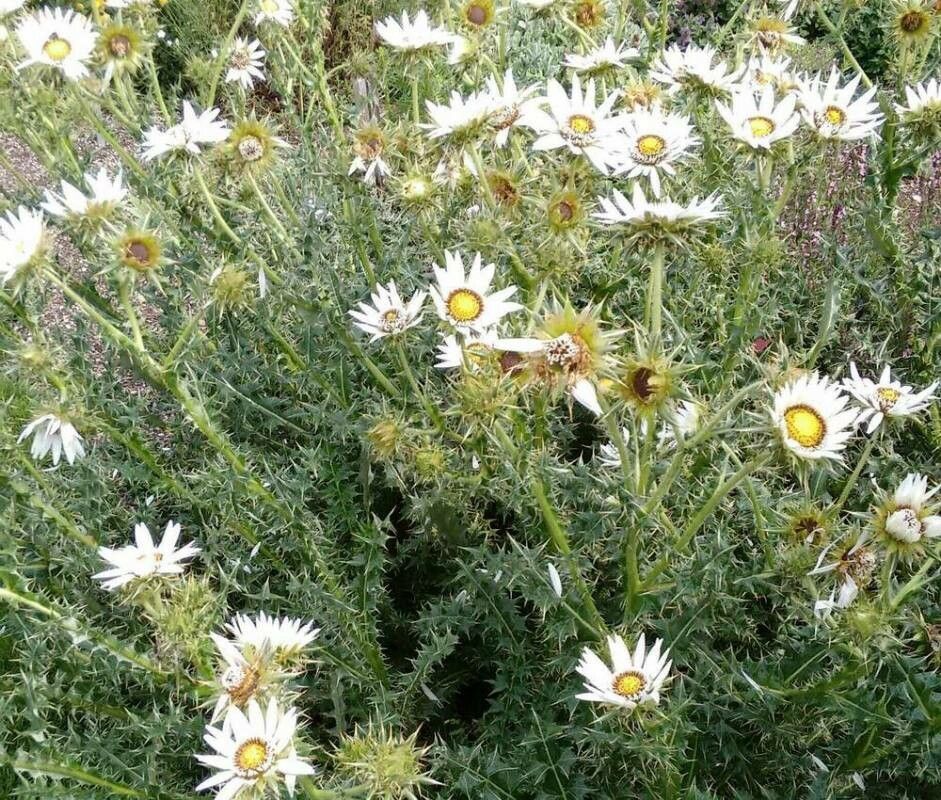
Propagating the Transvaal Thistle: A Guide to Berkheya cirsiifolia
Introduction:
Berkheya cirsiifolia, commonly known as the Transvaal Thistle, is a striking South African native boasting vibrant, thistle-like flowers in shades of orange, yellow, and red. Its robust, architectural foliage and long blooming season make it a highly sought-after plant among gardeners, particularly those appreciating bold, textured additions to their landscapes. However, its propagation presents some unique challenges, making successful cultivation all the more rewarding.
Seed Germination:
Currently, there are no known reliable methods for seed germination propagation of Berkheya cirsiifolia. While seed production occurs naturally, germination rates are reportedly extremely low, even under optimal conditions. Research indicates that the seeds may possess dormancy mechanisms that haven’t yet been successfully overcome through standard germination techniques like stratification or pre-sowing treatment.
Cuttings:
Cuttings offer a more reliable method for propagating Berkheya cirsiifolia.
Challenges: The success rate can be variable, depending on the timing and technique used. Older, more mature wood is generally less successful than semi-hardwood cuttings taken from new growth in spring or early summer. Root rot is a potential problem if the cuttings are not kept sufficiently dry.
Practical Tips: Take 8-10cm cuttings from healthy, non-flowering stems. Remove lower leaves to prevent rotting. Dip the cut ends in rooting hormone powder before inserting them into a well-draining propagation mix (e.g., a mix of perlite and vermiculite). Maintain a consistently moist but not waterlogged environment, ideally with bottom heat. A humidity dome can improve success rates. Expect rooting to take several weeks to a few months.
Rewards: Cuttings offer a relatively quick method for producing genetically identical plants to the mother plant, ensuring the preservation of desirable traits. It is a relatively straightforward method compared to other propagation options.
Division:
Division is another viable method, particularly for established plants.
Challenges: This method is only feasible for mature plants with well-developed root systems. Care must be taken to avoid damaging the roots during the division process, as this can hinder the subsequent growth of the divided sections. The success rate also depends on the timing; early spring or autumn are ideal periods.
Practical Tips: Gently dig up the mature Berkheya cirsiifolia. Carefully divide the root ball into smaller sections, ensuring each section has healthy roots and sufficient foliage. Replant the divisions immediately and water well.
Rewards: Division allows for the rapid increase in the number of plants, making it suitable for larger-scale propagation. It’s generally less technically demanding than other methods.
Tissue Culture:
Tissue culture is a highly specialized propagation technique that could be explored for Berkheya cirsiifolia.
Challenges: Tissue culture requires specialized equipment, clean lab conditions, and knowledge of plant tissue culture techniques. Establishment and growth of the plantlets can be challenging, requiring optimized nutrient media and careful control of environmental conditions. This method is not accessible to the average home gardener.
Practical Tips: There is currently limited public information on successful tissue culture of Berkheya cirsiifolia. It’s recommended to consult with plant tissue culture specialists for specific protocols and guidance.
Rewards: Tissue culture offers the potential for large-scale clonal propagation, disease-free plants, and rapid multiplication.
Conclusion:
Propagating Berkheya cirsiifolia presents several challenges, especially with seed germination. Cuttings and division provide more reliable avenues for propagation, each with its unique advantages and limitations. Tissue culture offers a high-potential but technically demanding alternative. The satisfaction of successfully cultivating this magnificent plant, however, far outweighs the difficulties. The vibrant flowers and striking foliage reward the patience and perseverance of even the most novice propagator. Remember to start with a healthy parent plant and prioritize good hygiene and well-draining growing conditions to improve your chances of success. Don’t be discouraged by setbacks – the journey is as rewarding as the destination.