
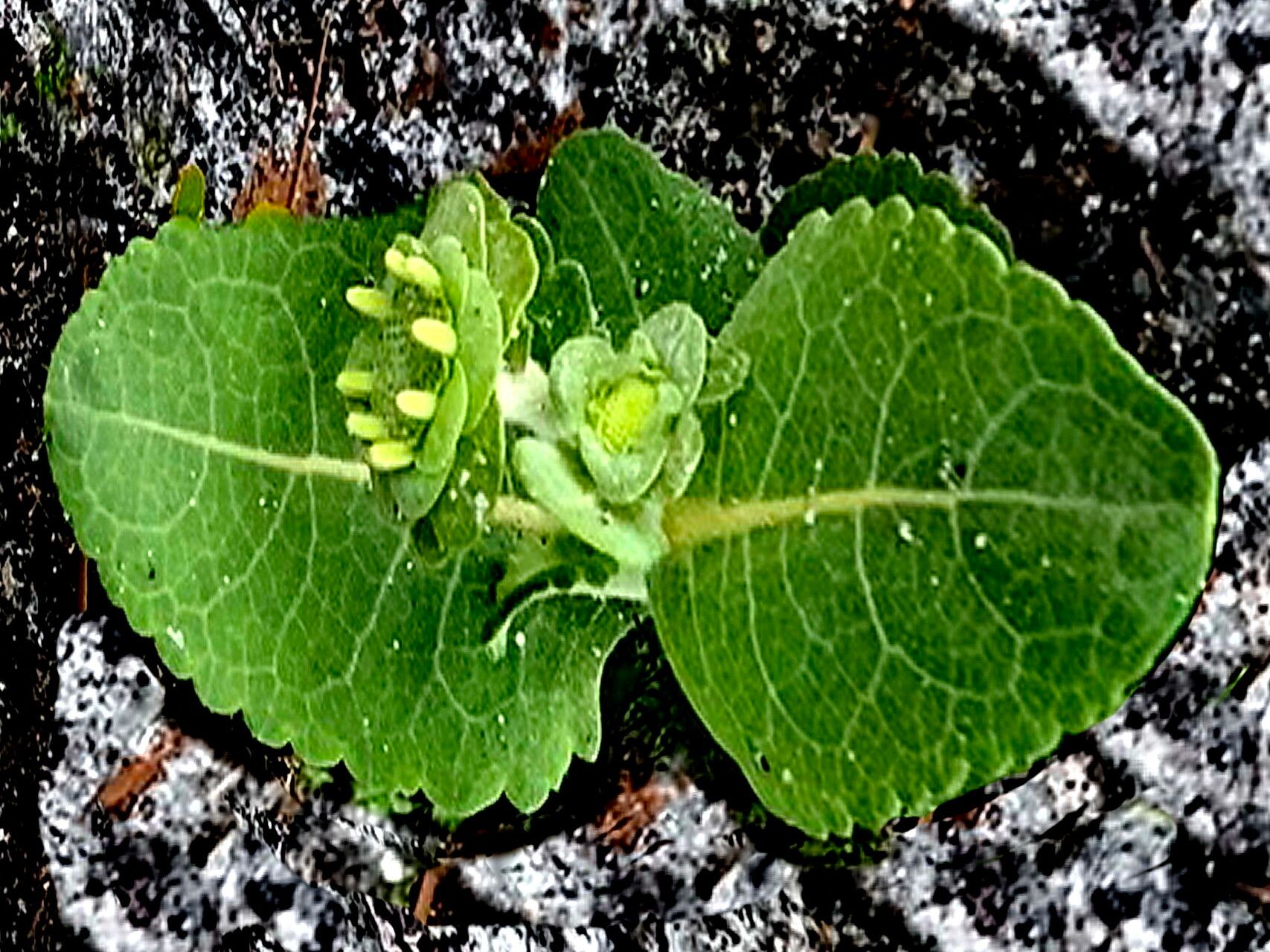
Propagating Berlandiera pumila: A Guide to Cultivating the Little Yellow Sunflower
Introduction:
Berlandiera pumila, commonly known as the little yellow sunflower or dwarf blerolia, is a charming perennial native to the southern United States. Its cheerful, daisy-like yellow flowers, blooming prolifically from spring to fall, make it a popular choice amongst gardeners seeking drought-tolerant, low-maintenance additions to their landscapes. Its ability to thrive in poor soils and its self-seeding habit add to its appeal, but controlled propagation for specific traits or large-scale cultivation presents some unique challenges.
Seed Germination:
Seed germination for Berlandiera pumila is viable, albeit with some challenges. The seeds possess a hard seed coat, which can hinder water uptake and germination. This necessitates stratification, a process that mimics the natural winter conditions required to break dormancy.
Challenges: Low germination rates are common without stratification. Improper stratification can also inhibit germination.
Practical Tips: Soak seeds in water for 24 hours before stratification. Stratify seeds for 6-8 weeks in moist peat moss or vermiculite at temperatures between 33-40°F (0-4°C). Sow seeds in a well-draining seed-starting mix, barely covering them with soil. Maintain consistent moisture but avoid overwatering. Germination might take several weeks to several months.
Rewards: Seed propagation offers the advantage of genetic diversity, allowing for the potential selection of superior plants. It’s also the most cost-effective method for large-scale propagation.
Cuttings:
Currently, there are no known reliable methods for propagation of Berlandiera pumila from cuttings. Hardwood, softwood, or semi-hardwood cuttings have not demonstrated consistent success.
Division:
Division is a relatively successful method for propagating Berlandiera pumila.
Challenges: Division is best performed in early spring or fall, when the plant is actively growing or becoming dormant. Damage to the root system can hinder establishment. Overly small divisions can struggle to survive.
Practical Tips: Carefully dig up the established plant, ensuring as much of the root system remains intact as possible. Divide the root ball into sections, each containing several healthy shoots and a substantial portion of roots. Plant the divisions immediately in well-drained soil, ensuring they are planted at the same depth as before. Water thoroughly after planting.
Rewards: Division offers a quick and relatively easy method for increasing the number of plants, providing a faster means of establishing larger plantings compared to seed germination. It maintains the genetic characteristics of the mother plant.
Tissue Culture:
While tissue culture techniques are increasingly used for propagating difficult plants, there is limited published research concerning this method for Berlandiera pumila. Further research is needed to ascertain its viability.
Conclusion:
Propagating Berlandiera pumila presents a mixture of challenges and rewards. While seed germination offers genetic diversity but requires patience and specific pre-treatment, division provides faster multiplication but necessitates careful handling. Cuttings and tissue culture remain largely unexplored propagation techniques for this species.
The satisfaction derived from successfully cultivating Berlandiera pumila, despite the challenges, is considerable. Witnessing the tiny seeds germinate or a small division thrive into a vibrant, flowering plant is a testament to persistence and horticultural skill. For aspiring propagators, patience, attention to detail, and a willingness to experiment are critical to success. Begin with readily available and successful techniques such as division and gradually move towards working with seeds. The rewards of a flourishing patch of these cheerful little sunflowers will be well worth the effort.