
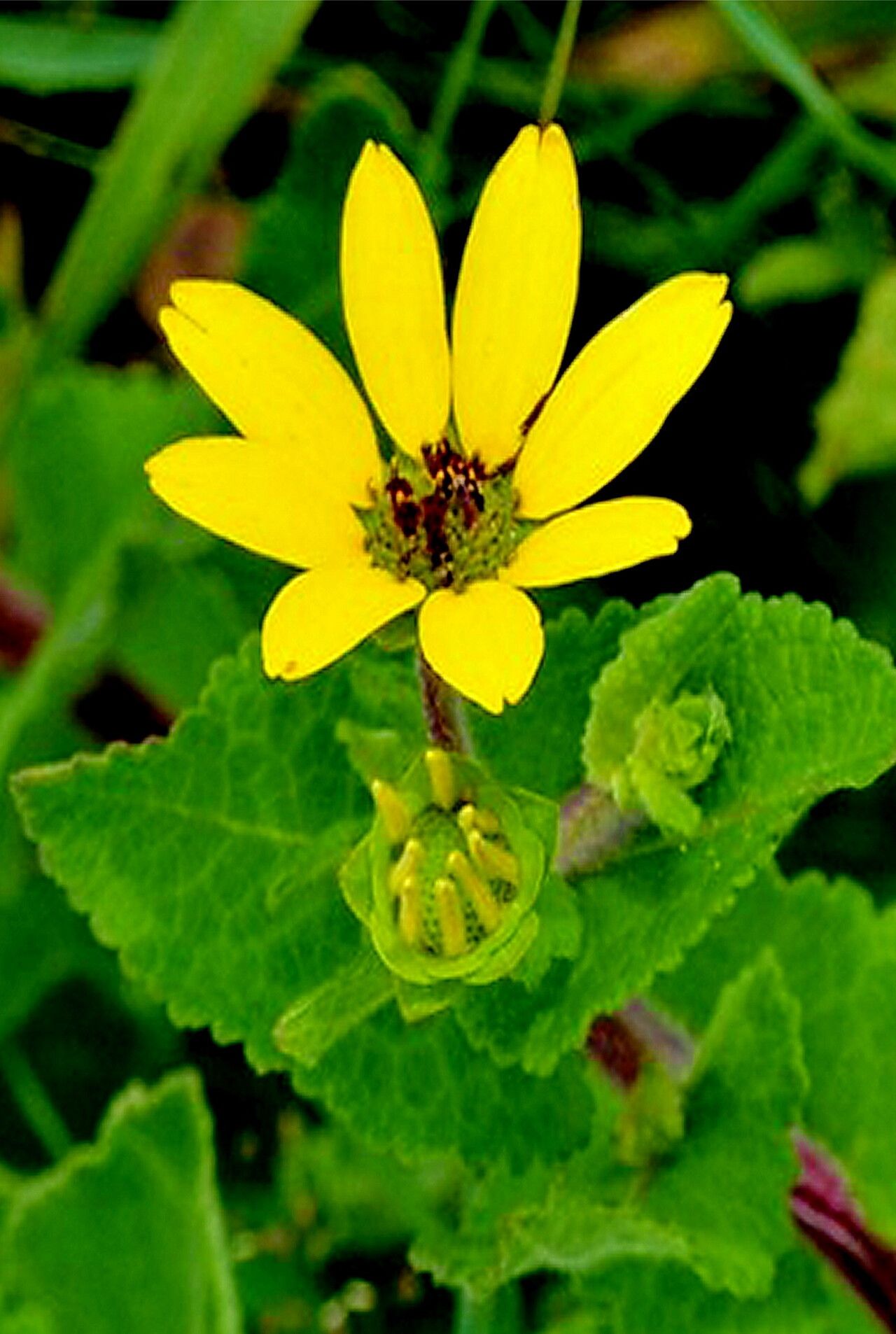
Propagating the Brittle-Stemmed Greeneyes: A Guide to Berlandiera betonicifolia
Introduction:
Berlandiera betonicifolia, commonly known as Brittle-stemmed Greeneyes, is a charming North American perennial prized for its cheerful, daisy-like yellow flowers and drought-tolerant nature. These sun-loving plants, boasting long blooming periods, are gaining popularity among gardeners seeking low-maintenance, wildlife-friendly additions to their landscapes. Their unique feature is the intense fragrance emitted by the flowers, especially in the evening. However, their propagation presents some interesting challenges, making successful cultivation all the more rewarding.
Seed Germination:
Seed germination for Berlandiera betonicifolia is viable, but presents some hurdles. Germination rates can be unpredictable, often low even under optimal conditions. The primary challenge lies in the seeds’ dormancy. While some sources suggest no special treatment is required, stratification—a process of cold moist treatment—significantly improves germination success. This can be achieved by mixing seeds with moist vermiculite or peat moss and storing them in a refrigerator (35-40°F) for 6-8 weeks before sowing.
Practical Tips: Sow seeds in a well-draining seed starting mix, keeping the soil consistently moist but not waterlogged. A warm and sunny location, whether indoors or outdoors under protection, is ideal. Thin seedlings to reduce competition.
Rewards: Seed germination offers the potential for high genetic diversity within a population, resulting in plants with varied characteristics. This method is also suitable for large-scale propagation, ideal for commercial growers or those aiming to establish a significant number of plants.
Cuttings:
Currently, there are no known reliable methods for propagating Berlandiera betonicifolia using cuttings. Stem cuttings, typically a successful propagation method for many perennials, have proven difficult with this species. Further research is needed to explore the viability of different cutting types and hormonal treatments.
Division:
Division is a reliable method for propagating Berlandiera betonicifolia. Established plants, typically after a few years of growth, can be divided in early spring or fall.
Practical Tips: Carefully dig up the mature plant, gently separating the root crown into several smaller sections, each with healthy roots and foliage. Replant these divisions immediately, ensuring they have adequate spacing and soil conditions.
Rewards: Division offers a quick and relatively simple method for increasing the number of plants. It preserves the genetic characteristics of the parent plant, which is advantageous if you are particularly fond of a specific cultivar.
Tissue Culture:
Tissue culture propagation for Berlandiera betonicifolia is largely unexplored. While technically feasible, it requires specialized laboratory equipment and expertise, making it impractical for the average home gardener. This method, however, offers the potential for mass propagation and the elimination of diseases. Further research is needed to develop efficient protocols for this species.
Conclusion:
Propagating Berlandiera betonicifolia poses a unique set of challenges. While seed germination and division offer viable options, each presents difficulties. Seed germination requires patience and strategy to overcome low germination rates, while the success of division is tied to the maturity and health of the parent plant. The lack of reliable methods for cuttings and the high cost and expertise needed for tissue culture limit those options for most gardeners.
Nevertheless, the rewards of successfully cultivating this fascinating plant from seed or division are substantial. The unique evening fragrance and the rewarding nature of overcoming propagation hurdles add to the immense satisfaction. For those willing to invest the time and effort, the beauty and resilience of Brittle-stemmed Greeneyes make the journey well worth it. Patience, careful observation, and a willingness to experiment will be your greatest allies in successfully propagating this captivating perennial.