
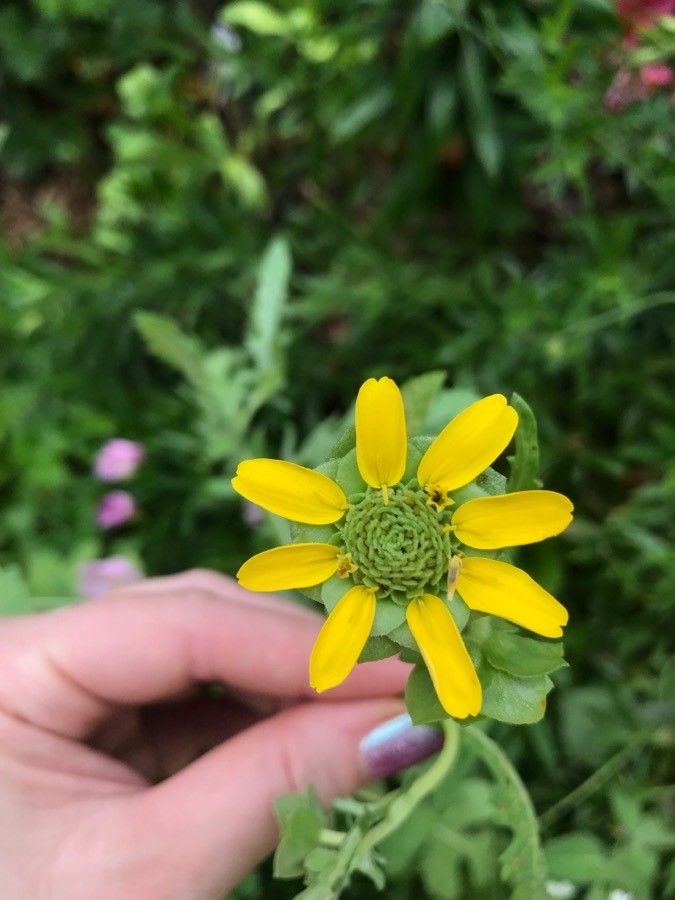
Unearthing the Secrets to Propagating the Charming Berlandiera Subacaulis
The Berlandiera subacaulis, also known as the stemless greeneyes or low greeneyes, is a charming addition to any garden with its bright yellow daisy-like flowers and attractive silver-green foliage. This Texas native is known for its resilience, drought tolerance, and ability to attract pollinators, making it a favorite among seasoned and beginner gardeners alike. But did you know that propagating this cheerful plant is easier than you might think? Let’s dive into the world of Berlandiera subacaulis propagation and discover the methods that will help you expand your green haven.
Two Paths to Propagation Success
Berlandiera subacaulis can be easily propagated through two primary methods – seed propagation and division. Each method comes with its nuances, offering unique advantages depending on your gardening style and resources.
1. Seed Propagation: Welcoming New Life from Tiny Packages
Seed propagation is an exciting journey that allows you to witness the miracle of life unfold, literally from the ground up. Here’s how to navigate the process:
- Seed Collection: As your Berlandiera subacaulis blooms fade, you’ll notice the formation of seed heads. Allow these seed heads to dry completely on the plant. Once dried, they will readily release the seeds with a gentle shake.
- Sowing Time: For best results, sow the seeds directly into your garden or seed trays in the fall or early spring. These seasons provide the optimal temperature fluctuations that encourage germination.
- Sowing Depth: Berlandiera subacaulis seeds prefer light to germinate, so sow them shallowly, barely covering them with a thin layer of soil.
- Patience is Key: Germination typically takes a few weeks. During this time, ensure consistent moisture in the soil without making it soggy.
2. Division: Multiplying Your Floral Treasures
Division is a propagation method that allows you to create multiple plants from a single, healthy parent plant. It’s a rewarding technique for quickly expanding your Berlandiera subacaulis collection. Here’s how to go about it:
- Timing is Crucial: Early spring or fall, when the plant is dormant or just starting to emerge from dormancy, are the ideal times for division.
- Divide and Conquer: Carefully dig up a mature Berlandiera subacaulis, ensuring you get a good root ball. Using a sharp, clean knife or garden shears, divide the root ball into sections, making sure each section has a healthy set of roots and shoots.
- Replant and Rejuvenate: Replant the divisions at the same depth they were originally growing, ensuring proper spacing between each plant. Water them thoroughly to reduce transplant shock.
Nurturing Your New Green Protégés
Whether you choose seed propagation or division, caring for your new Berlandiera subacaulis plants remains relatively the same. These hardy plants thrive in well-draining soil and full sun to partial shade. While drought-tolerant once established, consistent watering during the initial growth phase will encourage strong root development.
Conclusion:
Propagating your own Berlandiera subacaulis is a fulfilling endeavor that allows you to connect with nature’s rhythms while expanding your green sanctuary. With a bit of patience and care, you can multiply these cheerful blooms and enjoy their vibrant presence year after year. So go ahead, unearth the secrets of propagation and watch your gardening efforts flourish!