
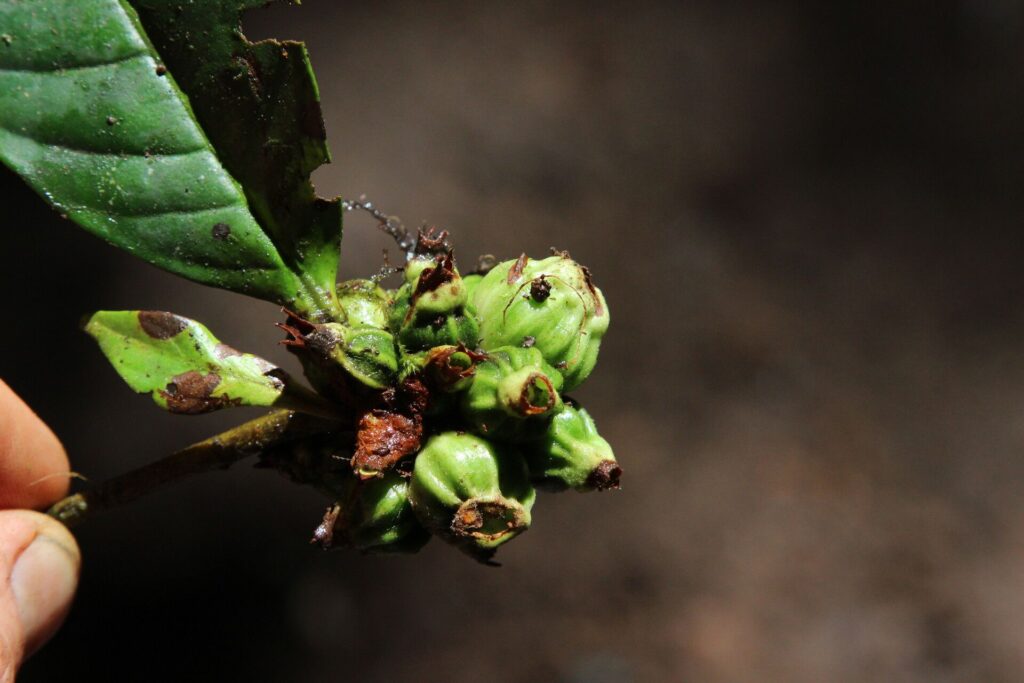
Propagating Bertiera globiceps: A Gardener’s Guide to a Rare Beauty
Bertiera globiceps, also known as the "Globose Bertiera," is a captivating shrub prized for its unique, often glossy, foliage and showy inflorescences. Its relative rarity in cultivation, coupled with its attractive characteristics, makes it a highly sought-after plant among discerning gardeners. Successfully propagating this species, however, presents a unique set of horticultural challenges. This article explores various propagation methods, outlining their viability and offering practical advice for those wishing to cultivate this fascinating plant.
Seed Germination:
Currently, there are no known reliable methods for seed germination propagation of Bertiera globiceps. Limited research exists on this species’ reproductive biology, and the seeds, if readily available, may possess dormancy mechanisms that hinder germination under typical horticultural conditions. Further research is needed to determine if specific pre-treatments, such as scarification or stratification, could improve germination rates.
Cuttings:
Cuttings offer a more promising approach to propagating Bertiera globiceps. Challenges: Success relies heavily on employing sterile techniques to minimize fungal infections and ensuring sufficient humidity to prevent desiccation. The rooting process can be slow, and not all cuttings will take root. Practical Tips: Semi-hardwood cuttings taken in late summer or early autumn are likely to yield the best results. Using a rooting hormone and propagating under a humidity dome or mist propagation system is crucial. A well-draining, sterile propagation mix is also essential. Rewards: Cuttings provide a relatively quick method for clonal propagation, preserving the desirable traits of the mother plant. This is particularly advantageous if you already have a mature, healthy specimen.
Division:
Division is not generally a viable option for propagating Bertiera globiceps. This plant typically forms a single, established root system, making division without severely damaging the plant highly improbable. Attempting division is likely to result in the death of both the parent plant and the separated divisions.
Tissue Culture:
Tissue culture offers the potential for large-scale propagation of Bertiera globiceps, overcoming the limitations of other methods. Challenges: Establishing a successful tissue culture protocol requires specialized knowledge, laboratory facilities, and sterile working conditions. Developing the appropriate media and growth regulators for optimal shoot multiplication, rooting, and acclimatization is a complex process. Practical Tips: Collaborating with a tissue culture laboratory or experienced propagator is strongly recommended, as the process requires meticulous attention to detail. Rewards: Tissue culture enables rapid multiplication of genetically identical plants, allowing for the large-scale production of planting material. It also facilitates the production of disease-free plants.
Conclusion:
Propagating Bertiera globiceps presents unique challenges across all methods. While seed germination remains largely unexplored, cuttings offer a viable, albeit challenging, approach for home propagators. Tissue culture holds the greatest potential for large-scale production, yet it requires specialized expertise and resources. The rewards, however, are substantial: the satisfaction of successfully cultivating this rare and beautiful plant is immense. The journey may be demanding, requiring patience and persistence, but the final outcome – a thriving Globose Bertiera in your garden – makes the effort worthwhile. Remember to start with healthy, vigorous plants for cuttings, prioritize sanitation during propagation, and celebrate the small successes along the way. For aspiring propagators, don’t be discouraged; with perseverance and careful attention to detail, you can achieve success in cultivating this horticultural treasure.