
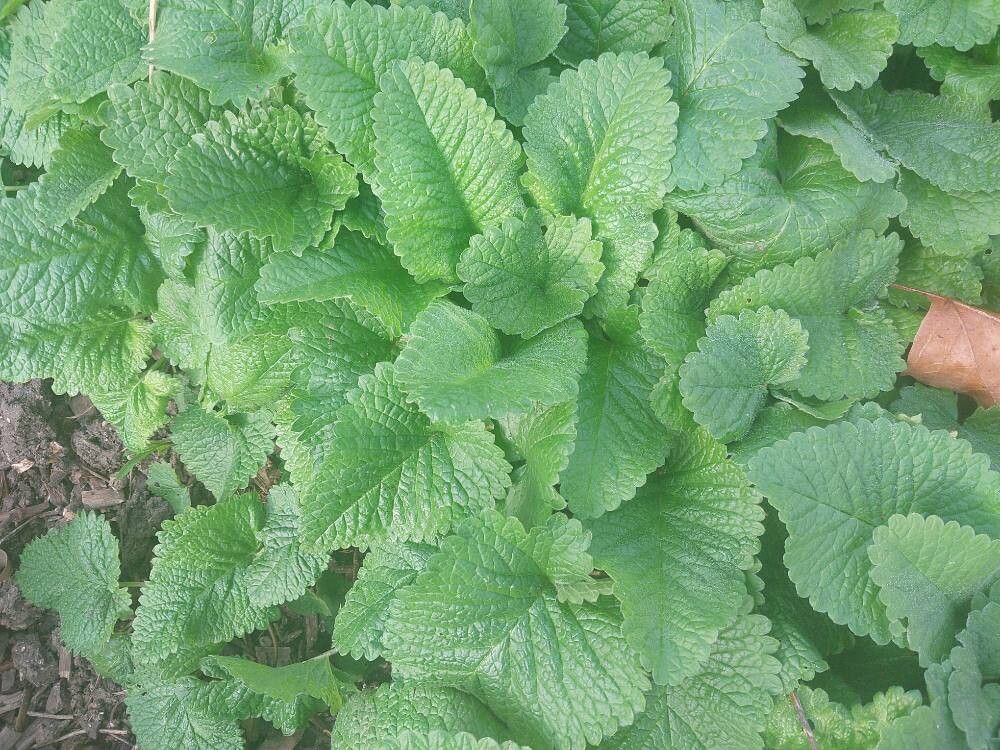
Propagating Betonica macrantha: A Gardener’s Guide
Introduction:
Betonica macrantha, commonly known as greater betony or large-flowered betony, is a striking herbaceous perennial prized for its tall spires of vibrant purple-pink flowers. These blooms, appearing from summer into early autumn, attract pollinators and add a captivating element to borders, meadows, and cottage gardens. Its architectural foliage also contributes to its aesthetic appeal throughout the growing season. While readily available from nurseries, propagating Betonica macrantha offers gardeners a rewarding challenge and the satisfaction of nurturing plants from a cutting, division, or, potentially, seed. The plant’s relatively easy division makes it a popular choice amongst those wishing to expand their stock, but other methods present more hurdles.
Seed Germination:
Currently, there are no known reliable methods for seed germination propagation of Betonica macrantha. While the plant does produce seed, germination rates are notoriously low and unpredictable, even under controlled conditions. Further research into specific germination requirements might yield results in the future, but to date, propagation from seed is not a practical approach for the home gardener.
Cuttings:
Cuttings offer a reasonably successful method for propagating Betonica macrantha.
Challenges: Root initiation can be slow and inconsistent. Timing is critical – cuttings taken too early or too late may fail to root.
Practical Tips: Take semi-hardwood cuttings in late summer or early autumn. Use a sharp knife or shears to take 4-6 inch cuttings from non-flowering stems. Remove lower leaves and dip the cut end in rooting hormone. Plant cuttings in a well-drained, sterile propagation mix, keeping the mix consistently moist but not waterlogged. Provide high humidity, perhaps using a humidity dome or propagator. Rooting may take several weeks to months.
Rewards: Cuttings allow for the relatively quick propagation of a specific plant’s desirable traits, maintaining the characteristics of the parent plant.
Division:
Division is arguably the most reliable and efficient way to propagate Betonica macrantha.
Challenges: The plant must be sufficiently mature (at least 3 years old) to have developed substantial root systems for successful division. Improper division can damage the plant, leading to poor establishment.
Practical Tips: Divide the plant in spring or autumn when the soil is workable. Dig up the entire clump carefully. Using a sharp knife or spade, divide the root ball into sections, ensuring each section has healthy roots and several stems. Replant the divisions immediately, ensuring adequate spacing and watering.
Rewards: Division is relatively quick and easy, resulting in multiple plants identical to the parent. It’s a very efficient way to increase stock.
Tissue Culture:
Tissue culture is a technically demanding method, rarely employed by home gardeners for Betonica macrantha.
Challenges: This method requires specialized equipment, sterile conditions, and significant horticultural expertise. The process is more complex and expensive, requiring investment in laboratory-grade resources and training.
Practical Tips: This method would require sterile lab conditions, using nutrient-rich media and techniques to induce plantlet formation from small tissue samples. This is outside of the scope of a home propagation project.
Rewards: Tissue culture allows for large-scale propagation and the elimination of diseases, resulting in perfectly uniform plants.
Conclusion:
While seed germination is unreliable for Betonica macrantha, cuttings and, particularly, division provide practical and effective propagation methods for the home gardener. Division offers the easiest and most rewarding experience, while cuttings require patience and attention to detail. Tissue culture remains a specialized technique for large-scale propagation. The challenges involved in propagating Betonica macrantha, particularly using cuttings, highlight the unique satisfaction of successfully establishing new plants. The reward, witnessing these robust and striking perennials flourish from a small cutting or a carefully divided segment from a parent plant, is a significant testament to the gardener’s skill and patience. Persistence and careful attention to detail will yield results – don’t be discouraged!