
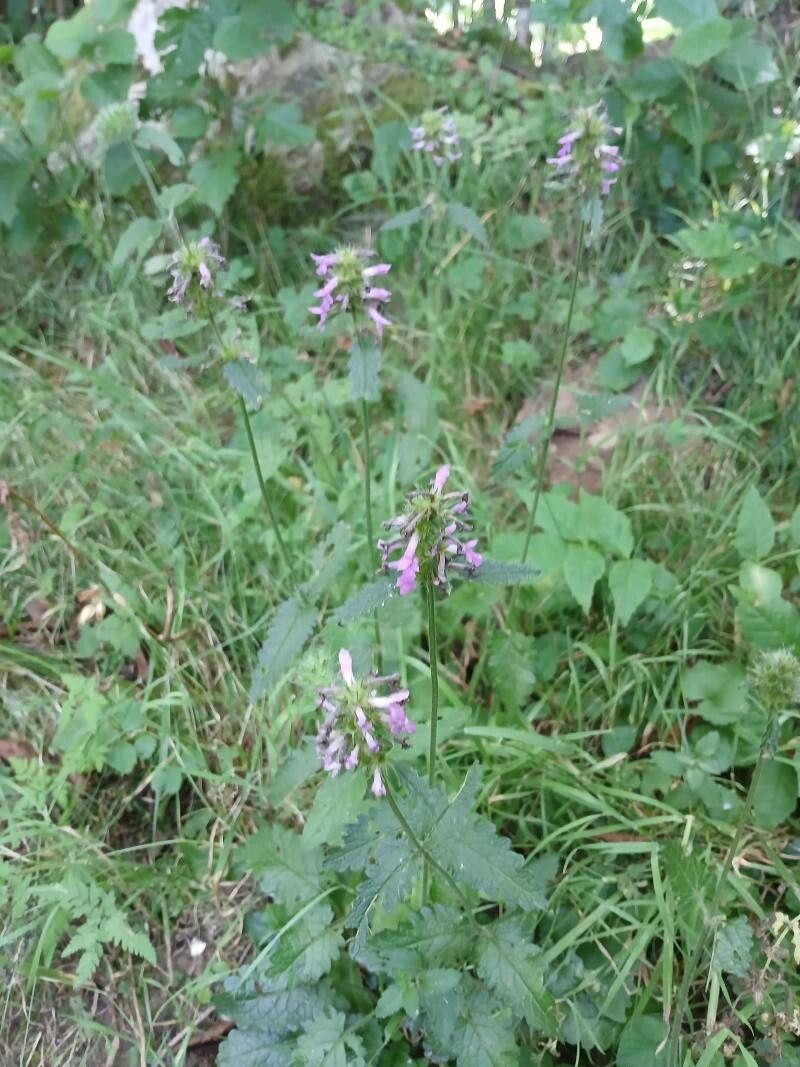
Propagating Betonica officinalis: A Gardener’s Guide to the Common Betony
Betonica officinalis, commonly known as common betony, is a charming herbaceous perennial prized for its upright spikes of purple, pink, or white flowers and its attractive, slightly hairy foliage. Its historical use as a medicinal herb adds to its intrigue, and its adaptability to various soil conditions makes it a popular choice among gardeners, particularly those interested in attracting pollinators. However, propagating betony can present certain challenges, requiring a nuanced understanding of the plant’s propagation preferences.
Seed Germination:
Currently, there are no known reliable methods for seed germination propagation of Betonica officinalis. While it produces seeds, germination rates are notoriously low and unpredictable, even under optimal conditions. The seeds often possess dormancy mechanisms that hinder successful germination. Therefore, relying on seed propagation for expanding your Betonica officinalis collection is not recommended.
Cuttings:
Cuttings offer a more dependable method for propagating common betony.
Challenges: Rooted cuttings are not always readily produced, success depends heavily on timing and technique. The best time is during the early summer, after the plant has finished its main flowering period. Using semi-hardwood cuttings provides the optimal balance of maturity and flexibility.
Practical Tips: Take 4-6 inch cuttings from non-flowering stems, removing lower leaves. Dip the cut ends in rooting hormone to stimulate root development. Plant the cuttings in a well-draining compost mix, maintaining consistently moist (but not waterlogged) conditions and high humidity (e.g., using a propagator or humidity dome). Protect cuttings from direct sunlight.
Rewards: Cuttings offer a relatively faster way to obtain new plants compared to division, preserving the exact genetic characteristics of the parent plant. It’s ideal for propagating a favourite cultivar.
Division:
Division is the most reliable and widely used method for propagating Betonica officinalis.
Challenges: Division is best performed in spring or autumn when the plant is actively growing or becoming dormant respectively. Dividing too small a section will result in weak plants.
Practical Tips: Gently dig up the mature plant, carefully separating the crown into several smaller sections, each with its own roots and shoots. Replant the divisions immediately, ensuring adequate spacing, and water thoroughly. Avoid over-watering, as this can lead to root rot.
Rewards: Division provides a quick and efficient way to increase the number of plants and is less technically demanding than cuttings or tissue culture.
Tissue Culture:
While potentially possible, tissue culture propagation of Betonica officinalis is not commonly practiced by home gardeners due to its complexity and specialized equipment requirements.
Challenges: This sophisticated technique requires a sterile environment, specialized media, and a thorough understanding of plant tissue culture protocols. Successful propagation through this method demands expertise and access to a laboratory setting.
Practical Tips: (Not applicable for home gardeners).
Rewards: Large-scale propagation is possible, enabling mass production of genetically identical plants, which is useful for commercial purposes.
Conclusion:
Successfully propagating Betonica officinalis presents a unique set of challenges depending on the chosen method. While seed germination is largely unreliable, both cuttings and division offer viable options for the home gardener. Division generally provides the most consistent outcomes and is easiest to execute. The effort invested, however, is handsomely repaid. The satisfaction of nurturing a small cutting into a thriving plant, or successfully dividing a mature specimen, is a rewarding experience that connects the gardener deeply with the plant’s life cycle. Don’t be discouraged by initial setbacks – with patience and the right techniques, you can successfully expand your collection of this lovely and historically significant herb.