
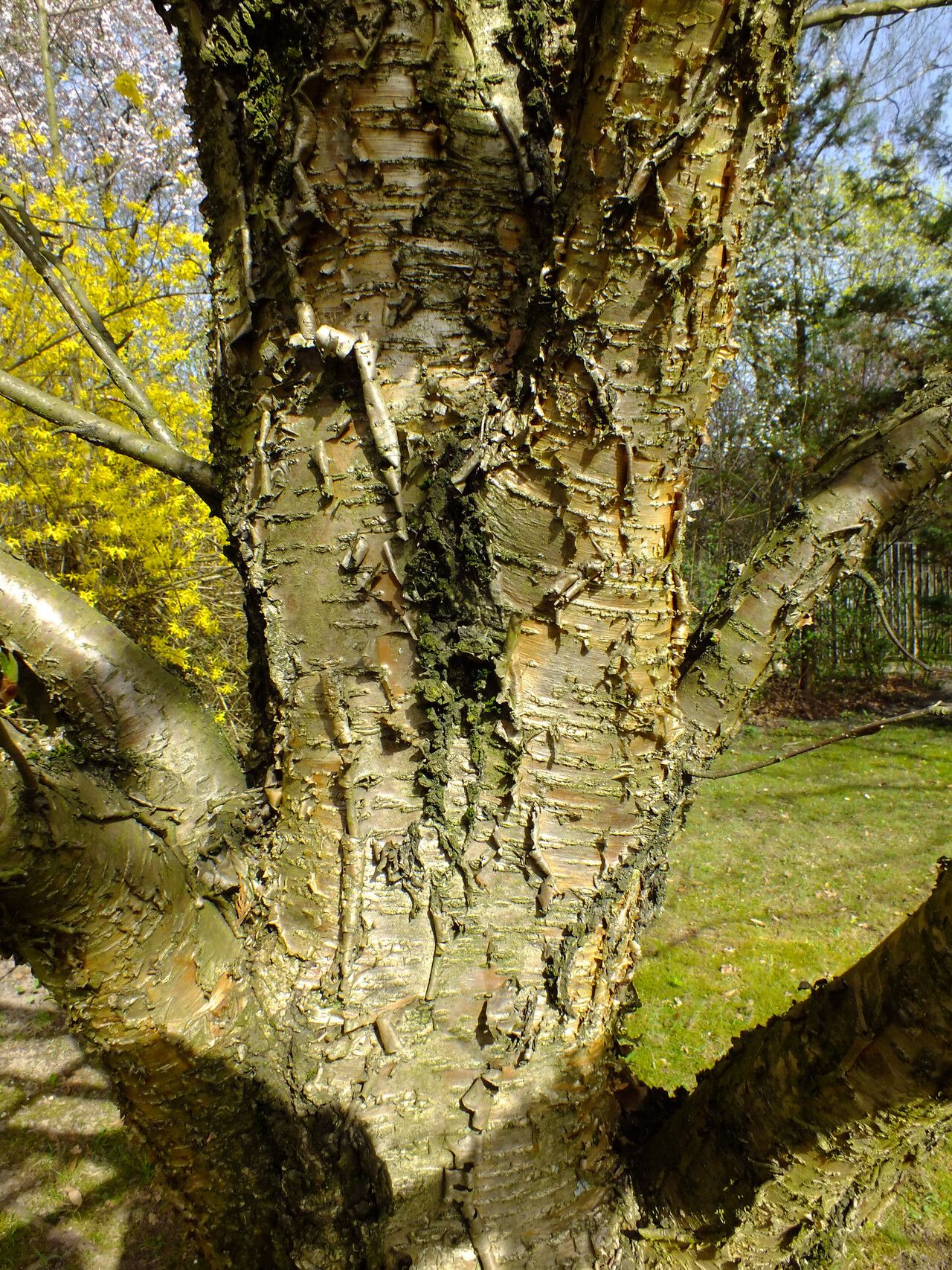
Unlocking the Secrets of Yellow Birch: A Guide to Propagating Betula alleghaniensis
The Yellow Birch, known scientifically as Betula alleghaniensis, is a majestic tree renowned for its shimmering golden bark and graceful form. Beloved by landscapers and nature enthusiasts alike, this North American native adds a touch of woodland charm to any setting. Interested in cultivating this beauty yourself? While readily available at nurseries, there’s a unique satisfaction that comes with propagating your own Yellow Birch.
While Yellow Birch propagation might seem daunting, it’s achievable with a bit of patience and the right knowledge. Here’s your guide to successfully cultivating this iconic tree:
Method 1: Starting from Seed
Nature’s way is often the most rewarding. Here’s how to propagate Yellow Birch from seed:
- Seed Collection: Collect mature catkins (the cone-like structures) in late summer or early fall. Look for brown, papery catkins that readily release their seeds.
- Seed Storage and Stratification: Yellow Birch seeds benefit from a period of cold stratification to break dormancy. Store the seeds dry in a cool, dark place for at least 30 days, or even better, over the winter.
- Sowing: In early spring, sow the seeds on the surface of a seed tray filled with a well-draining seed starting mix. Lightly press the seeds into the mix but don’t bury them.
- Watering and Light: Keep the soil consistently moist but not waterlogged. Provide bright, indirect light.
- Transplanting: Once the seedlings are a few inches tall and have developed true leaves, transplant them individually into pots. Choose pots with good drainage.
- Hardening Off and Planting: Gradually acclimate the seedlings to outdoor conditions before planting them in their permanent location. Choose a spot with partial shade to full sun and well-drained soil.
Method 2: Propagation from Cuttings
For a quicker method, consider propagating from cuttings:
- Timing and Selection: Take hardwood cuttings in late fall or early winter when the tree is dormant. Choose young, healthy branches about 6-8 inches long.
- Preparing the Cuttings: Make a clean cut just below a node (where the leaf buds are located). Remove the leaves from the lower half of the cutting.
- Hormone Treatment (Optional): While not essential, dipping the cut end in rooting hormone can increase the chances of success.
- Planting the Cuttings: Plant the cuttings in a pot filled with a well-draining potting mix, burying about a third of their length.
- Environment and Care: Keep the potting mix consistently moist, and provide indirect sunlight. A humidity dome can also aid in rooting.
- Transplanting: Once the cuttings show signs of new growth, usually within a few months, they can be transplanted into individual pots and later, their permanent outdoor location.
Caring for Your Young Yellow Birches
- Watering: Keep the soil consistently moist, especially during the first year after planting.
- Sunlight: While young trees tolerate some shade, aim for a location with at least 4-6 hours of sunlight for optimal growth.
- Soil: Yellow Birches prefer well-drained, slightly acidic soil.
- Pruning: Prune in late fall or early winter to remove any dead or diseased branches and maintain desired shape.
With patience and care, you can enjoy the timeless beauty of Betula alleghaniensis growing right in your own backyard. Whether you start from seed or cutting, the journey of propagation is a rewarding experience for any plant enthusiast.