
Decoding the Bumblebee Orchid: Can You Propagate Ophrys bombyliflora at Home?
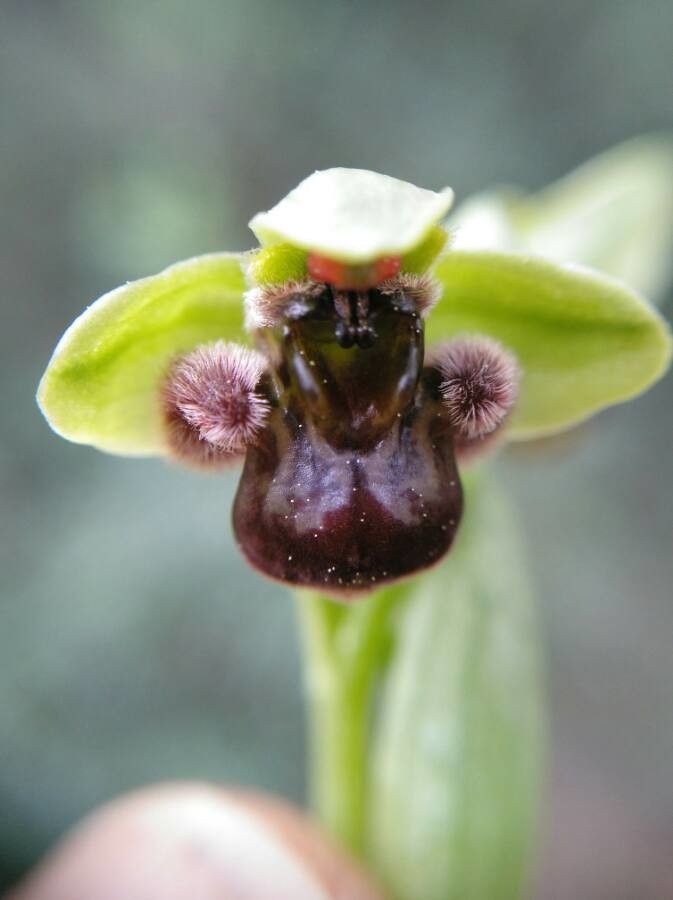
The Ophrys bombyliflora, fondly nicknamed the Bumblebee Orchid, is a fascinating example of nature’s trickery. This Mediterranean native has evolved to resemble a female bumblebee, attracting its male counterpart for pollination through an alluring scent and fuzzy appearance. This uncommon strategy begs the question: how does this orchid, reliant on such specific conditions, reproduce and can it be propagated at home?
Natural Reproduction: A Delicate Dance of Deception
The Bumblebee Orchid doesn’t play by the rules. Unlike orchids that offer nectar rewards, Ophrys bombyliflora relies on “pseudocopulation” for pollination. When a male bumblebee, driven by the powerful pheromone mimicry of the orchid, attempts to mate with the flower, pollen sacs (pollinia) attach to its head. Disappointed, the bee moves on, hopefully, to another Bumblebee Orchid, inadvertently transferring the pollen and facilitating fertilization.
Once pollinated, the orchid produces seed pods containing thousands of dust-like seeds. In the wild, these seeds rely on a symbiotic relationship with specific soil fungi for germination and nutrient uptake. This intricate process makes natural propagation a hit-or-miss affair, contributing to the orchid’s relative rarity.
Cultivating the Unconventional: A Challenge for the Patient Gardener
Given the complex interplay of mimicry and fungal dependence, home propagation of Ophrys bombyliflora poses a considerable challenge. Here’s why:
- Fungal Dependence: Successfully cultivating the Bumblebee Orchid from seed hinges on the presence of its specific symbiotic fungus, which is difficult to replicate in a home setting.
- Specialized Care: This Mediterranean species thrives in specific environmental conditions, including well-draining soil, plenty of sunlight, and dry summers followed by wet winters. Replicating this specific microclimate can be difficult outside their native range.
- Conservation Concerns: Due to habitat loss and their unique pollination strategy, Ophrys bombyliflora populations are vulnerable. It’s crucial to source plants responsibly, opting for nursery-propagated specimens rather than collecting from the wild.
Enjoying the Bumblebee Orchid Responsibly
While propagating Ophrys bombyliflora at home is a challenging feat best left to experienced growers and researchers, it doesn’t mean you can’t enjoy the beauty of this unique orchid.
- Seek Out Reputable Nurseries: Some specialist nurseries offer cultivated Bumblebee Orchids, providing a sustainable way to bring this fascinating plant into your home.
- Support Conservation Efforts: Consider supporting organizations working to conserve Ophrys bombyliflora and other threatened orchid species.
Despite the challenges in propagation, understanding the intricate lifecycle of the Bumblebee Orchid offers a glimpse into the captivating world of plant adaptations. So, while you might not be able to easily multiply this orchid at home, you can certainly appreciate its ingenious strategy for survival.