
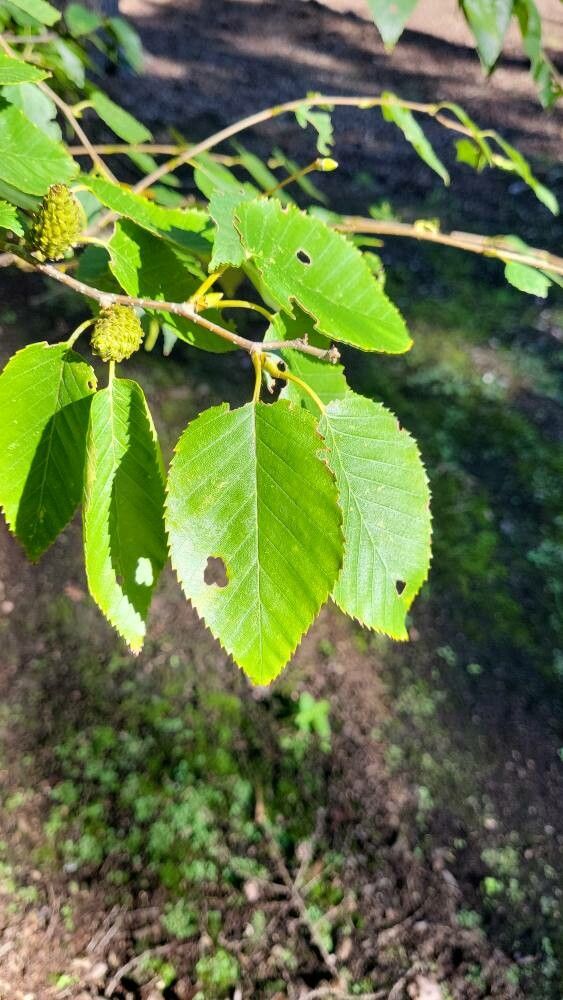
Growing Giants: Unveiling the Secrets of Betula Grossa Propagation
The Betula grossa, also known as the cherry birch or sweet birch, is a magnificent deciduous tree native to eastern North America. Known for its beautiful bark, reminiscent of cherry wood, and its impressive stature (growing up to 100 feet tall!), it’s a stunning addition to any spacious landscape. Have you ever dreamt of nurturing these gentle giants from scratch? While it might seem like a feat for experienced gardeners, propagating Betula grossa is achievable with a bit of patience and the right knowledge. Let’s demystify the process and get your green thumbs ready!
Method 1: Starting from Seed (The Adventure Route)
Propagating Betula grossa from seed is undoubtedly the most rewarding (and economical!) approach. Here’s the breakdown:
-
Seed Collection: Autumn is the ideal time to gather mature seeds. Look for the characteristic cone-like catkins – they should be brown and starting to disintegrate, revealing small winged seeds.
-
Stratification: Betula grossa seeds require a period of cold dormancy to germinate successfully. Mimic nature by storing them in a moist paper towel inside a sealed plastic bag in your refrigerator for 60-90 days.
-
Sowing the Seeds: Once the last frost has passed, it’s time to plant. Use a well-draining seed starting mix and lightly press the seeds into the surface. Mist the soil gently and ensure it remains consistently moist but not waterlogged.
- Patience is Key: Germination can take anywhere from a few weeks to a couple of months. Keep the seedlings in a sheltered location with indirect sunlight.
Method 2: Cuttings: The Faster Track
For those seeking quicker results, propagation from cuttings is a viable option, though slightly more challenging:
-
Timing is Crucial: Take cuttings in late spring or early summer when new growth is still flexible.
-
Choosing the Right Cuttings: Select healthy, non-flowering shoots that are 4-6 inches long. Make a clean cut just below a leaf node.
-
Encouraging Root Development: Remove the leaves from the bottom half of the cutting. Dip the cut end in rooting hormone (this increases success rates significantly). Plant the cuttings in a pot filled with a well-draining potting mix.
-
Creating a Humid Environment: Cover the pot with a clear plastic bag or humidity dome to maintain moisture. Place it in a bright location with indirect sunlight.
- Transplanting Success: Roots should develop within 6-8 weeks. Once your cuttings have formed a robust root system, you can transplant them to larger pots or directly into the ground.
Caring for your Betula Grossa Progeny
No matter your chosen propagation method, young Betula grossa require similar care:
-
Sunlight: Aim for at least 6 hours of sunlight per day, although some afternoon shade is beneficial in warmer climates.
-
Watering: Keep the soil consistently moist, especially during the first year, but avoid overwatering.
-
Soil: Well-drained soil is crucial. Amend heavy clay soils with compost or other organic matter to improve drainage.
- Fertilization: A light application of a balanced fertilizer in early spring can be beneficial.
Propagating your own Betula grossa is a rewarding journey that allows you to actively participate in the life cycle of these majestic trees. With a bit of dedication and these guidelines, you’ll be well on your way to cultivating your own grove of these stunning giants to be enjoyed for generations to come.