
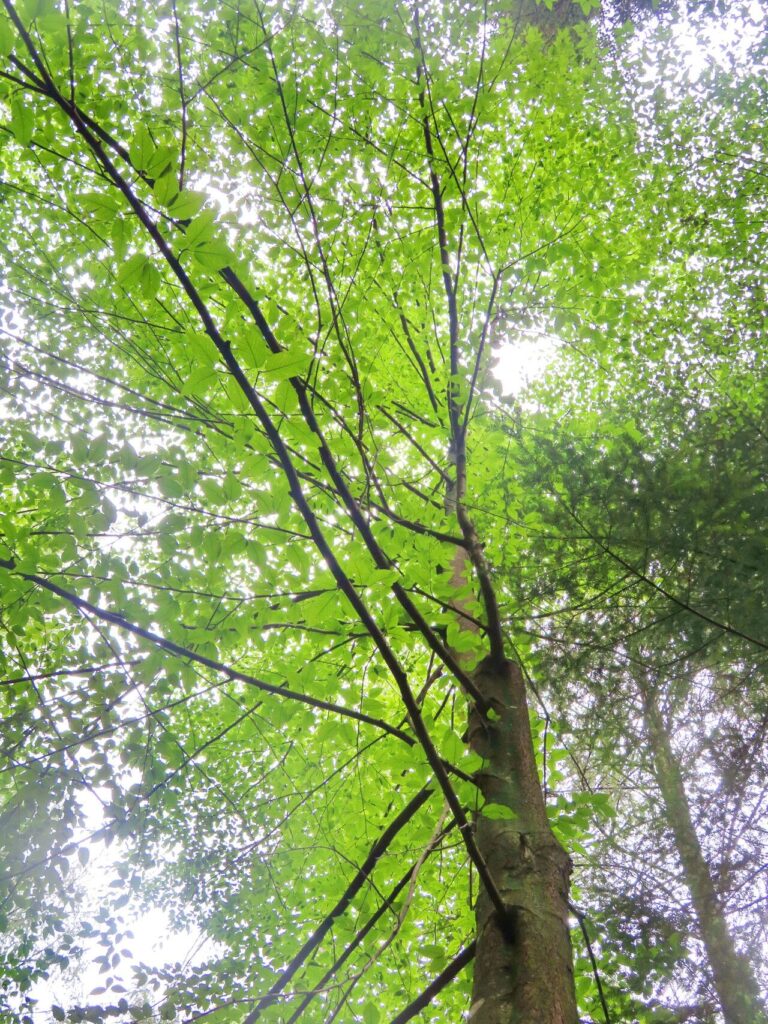
Sweet Success: Propagating the Majestic Sweet Birch
The Sweet Birch (Betula lenta), with its lustrous bark and captivating scent, is a cherished tree for its beauty and unique appeal. While it’s often admired from afar, many dream of cultivating this handsome tree in their own landscapes. But how can you ensure your Sweet Birch legacy? The answer lies in the art of propagation!
The Three Cs: Choosing Your Method
There are three main approaches to propagating Sweet Birch: seeds, cuttings, and layering. Each method comes with its own unique sets of characteristics and challenges. Let’s break them down:
1. Seeds: Patience is Key
- Process: Collecting fresh seeds in the fall and stratifying them (simulating winter conditions) is crucial for successful germination. This typically involves keeping the seeds moist and cold for 3-4 months.
- Benefits: Seeds are inexpensive and offer the potential for genetic variability, ensuring a diverse range of trees.
- Challenges: Germination rates can be unpredictable, and seedlings can be slow to establish. Be prepared for a longer timeline before enjoying a mature tree.
2. Cuttings: A Hands-On Experience
- Process: Taking softwood cuttings from new growth in the spring or semi-hardwood cuttings in late summer offers the chance to replicate the parent plant’s traits. These cuttings need to be treated with rooting hormone and placed in a well-lit, humid environment for optimal root development.
- Benefits: Cuttings can produce trees that are more uniform and faster-growing compared to seedlings.
- Challenges: Not all varieties of Sweet Birch readily root from cuttings, and the success rate can be highly dependent on technique and the specific conditions you provide.
3. Layering: A Gentle Approach
- Process: This method involves bending a branch to the ground, burying a portion, and encouraging root formation. Once roots develop, the layered branch can be separated from the parent plant.
- Benefits: Layering is a reliable and relatively easy propagation method that ensures a higher success rate compared to cuttings.
- Challenges: It requires patience and may take longer to develop a mature tree, as you’ll need to wait for roots to form before separating the layer.
Creating a Sweet Birch Haven: Tips for Success
No matter which propagation method you choose, there are some general tips to follow for optimal outcomes:
- Choose the right location: Sweet Birch thrives in well-drained, acidic soil, and prefers partial shade to full sun. Ensure you select a location with adequate space to accommodate the tree’s mature size.
- Provide proper care: Water newly planted seedlings and cuttings regularly, especially during drought conditions. Mulch around the base of the tree to help hold moisture and suppress weeds.
- Protect from pests and diseases: While Sweet Birch is generally resistant to pests and diseases, be mindful of any signs of trouble and take appropriate action.
- Patience is a virtue: Propagating trees takes time and patience. Don’t be discouraged if your first attempts don’t yield immediate results.
Beyond the Beauty: Celebrating the Sweet Birch Legacy
Propagating Sweet Birch is more than just creating beautiful landscapes; it’s about nurturing a legacy of beauty, scent, and resilience. Each newly propagated tree is a step towards preserving the unique charm of this magnificent species. So, choose your method, gather your tools, and embark on your Sweet Birch propagation journey – one small seed, cutting, or layer at a time.