
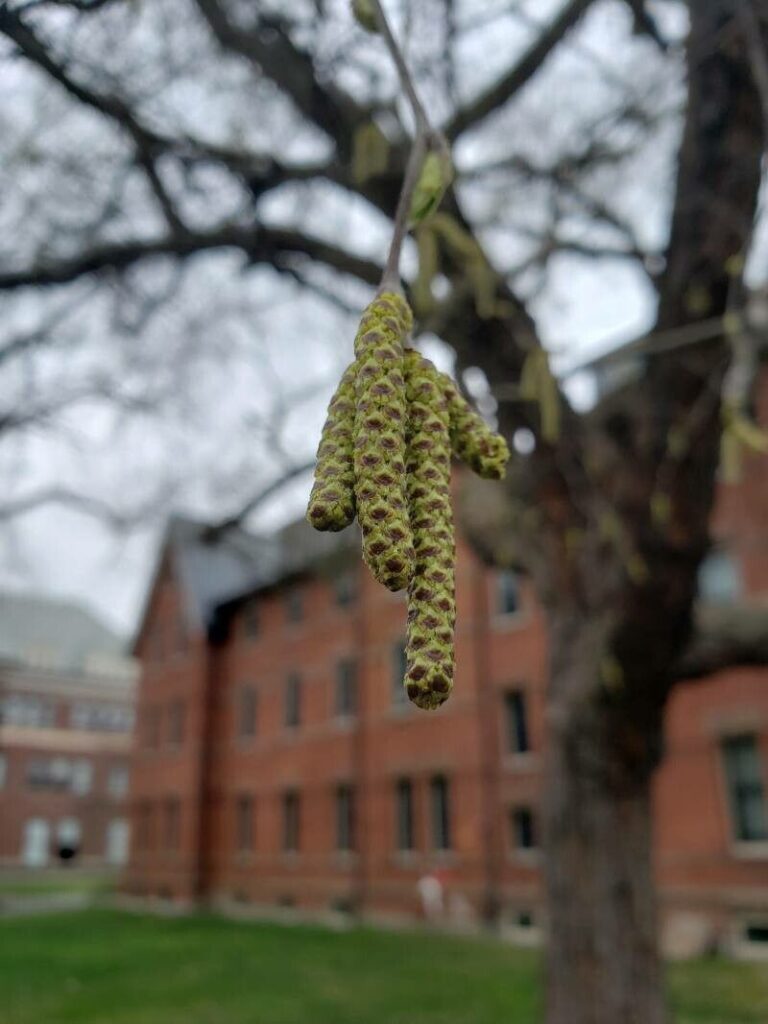
Black Magic: Unlocking the Secrets to Propagating River Birch
The river birch (Betula nigra) is a beloved tree across North America, celebrated for its captivating peeling bark and graceful silhouette. If you’re lucky enough to have one gracing your property, you might be wondering how to welcome more of these beauties into your landscape. Luckily, while a touch more nuanced than some, propagating river birch can be a rewarding endeavor.
While growing river birch from seed is possible, it’s not the most reliable method and requires a bit more patience. Instead, let’s focus on two approaches that offer quicker results and higher success rates: cuttings and layering.
Method 1: Cuttings – A Branching Narrative
Propagating river birch from cuttings involves encouraging a severed branch to develop roots and establish itself as an independent tree. Here’s how:
-
Timing is Key: Early summer, when new growth is still pliable, is the ideal time to take cuttings.
-
Choose Wisely: Select healthy, vigorous branches about the thickness of a pencil. Ideally, these should be from the current year’s growth and show signs of new buds.
-
Making the Cut: Using sharp, sterilized pruning shears, take 4-6 inch cuttings at a 45-degree angle, just below a leaf node.
-
Prep for Success: Remove leaves from the lower two-thirds of the cutting. Dip the cut end in rooting hormone (available at most garden centers) to stimulate root development.
-
Planting the Seedling: Insert the cutting into a pot filled with a well-draining mixture of peat moss and perlite. Keep the soil consistently moist but not waterlogged.
-
Nurturing Growth: Cover the pot with a clear plastic bag to create a humid environment, mimicking a mini greenhouse. Place it in a shaded area, away from direct sunlight.
- Patience is a Virtue: It may take 6-8 weeks for roots to develop. You can test this gently by tugging on the cutting; resistance means roots are forming!
Method 2: Layering – A Grounded Approach
Layering is another effective propagation technique that encourages roots to form on a branch while it’s still attached to the parent tree. Here’s the breakdown:
-
Spring into Action: Early spring, before new growth emerges, is the perfect time for layering.
-
Pick Your Player: Choose a flexible, low-hanging branch close to the ground.
-
Wound and Prepare: Make a small upward cut about 12 inches from the branch tip, just below a leaf node. Dust the wound with rooting hormone.
-
Down to Earth: Bend the branch gently downwards and bury the wounded section in a shallow trench. Use a brick or landscape pin to secure it.
-
Mother Nature Takes Over: Keep the soil consistently moist. Over several weeks to months, roots will develop from the wounded area.
- Separation Anxiety (the good kind): Once roots are established, carefully sever the newly rooted branch from the parent tree and transplant it to a desired location.
A Final Word of Wisdom
Whichever method you choose, remember that river birch thrives in moist, well-drained soil and full sun to partial shade. Be patient, provide consistent care, and soon you’ll be enjoying the mesmerizing beauty of these trees for generations to come.