
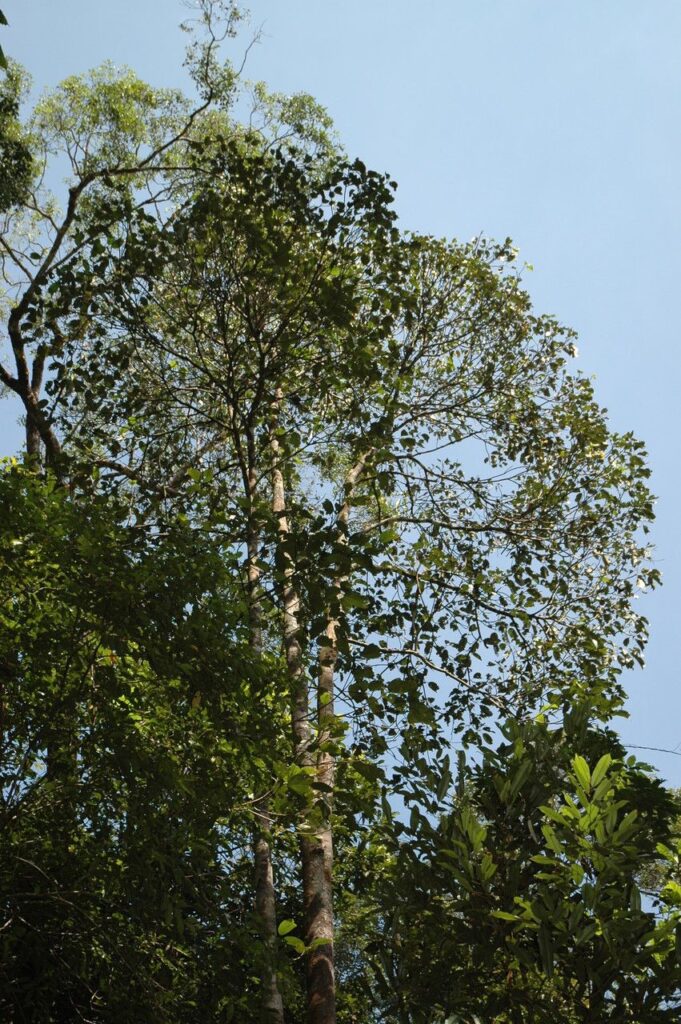
Propagating Bhesa indica: A Gardener’s Guide
Introduction:
Bhesa indica, commonly known as the Indian Bhesa or sometimes as the "Dholi" tree, is a medium-sized evergreen tree valued for its attractive foliage, fragrant flowers, and medicinal properties. Its glossy, leathery leaves and clusters of small, white flowers make it a desirable addition to gardens in suitable climates (tropical and subtropical). However, propagation of Bhesa indica presents certain challenges, making successful cultivation a particularly rewarding experience for dedicated gardeners. Its relative rarity in cultivation also contributes to the unique satisfaction of successfully propagating this fascinating species.
Seed Germination:
Currently, there are no known reliable methods for seed germination propagation of Bhesa indica. While seeds may be produced, their viability is reportedly very low, and germination rates are extremely poor, even under optimal conditions. Further research into specific seed treatment techniques is needed to ascertain if viable seed germination is possible.
Cuttings:
Cuttings offer a more promising approach to propagating Bhesa indica.
-
Challenges: Success rates with cuttings can be variable, depending on factors like the age and health of the parent plant, the time of year, and the rooting medium used. Hardwood cuttings might prove more successful than softwood cuttings.
-
Practical Tips: Take semi-hardwood cuttings (approximately 6-8 inches long) from healthy, non-flowering stems in late spring or early summer. Remove lower leaves to prevent rot. Dip the cut ends in a rooting hormone powder before planting in a well-draining propagation mix (e.g., a mix of perlite and peat moss). Maintain a consistently moist environment, possibly utilizing a humidity dome or propagator. Bottom heat can significantly improve rooting success. Patience is key, as rooting may take several weeks to months.
- Rewards: Cuttings allow for the propagation of desirable traits from a selected parent plant, ensuring genetic uniformity. This method is relatively straightforward, compared to other techniques, though demanding consistency and attention to detail.
Division:
Division is not a viable method for propagating Bhesa indica. This tree does not naturally form suckers or readily divisible root systems.
Tissue Culture:
Tissue culture presents a potential technique for large-scale propagation of Bhesa indica.
-
Challenges: This method requires specialized equipment, sterile conditions, and a high level of technical skill. Establishing an optimal culture medium and identifying suitable explants (plant tissues) for regeneration are crucial steps with potentially ongoing research needed.
-
Practical Tips: Successful tissue culture protocols need to be developed specifically for Bhesa indica, determining the best explant source, growth regulators, and culture media composition. This frequently involves experimentation and iterative refinement.
- Rewards: Tissue culture allows for the rapid and efficient mass propagation of genetically identical plants, useful for conservation efforts and large-scale commercial cultivation.
Conclusion:
Propagating Bhesa indica presents significant challenges, with seed germination proving unreliable at present. Cuttings offer a more practical approach, albeit demanding patience and attentiveness. Tissue culture presents the potential for large-scale propagation, but requires specialized knowledge and resources. The unique rewards of successfully cultivating this relatively rare and beautiful tree – from its fragrant blossoms to the satisfaction of overcoming propagation hurdles – are well worth the effort. Aspiring propagators are encouraged to persevere, learning from trials and focusing on the most feasible methods (cuttings, potentially tissue culture) while contributing to the broader knowledge of successfully cultivating this fascinating species. Careful observation, diligent record-keeping, and a willingness to experiment are essential ingredients for success.